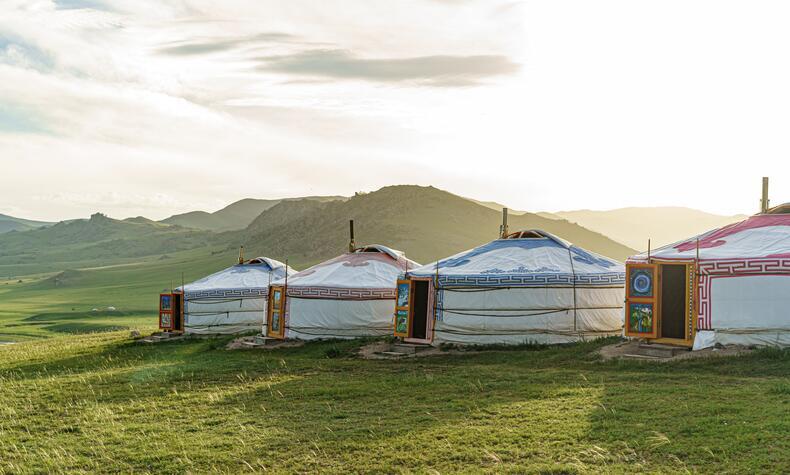
The Genghis Khan Retreat: Mongolia's Timeless Past
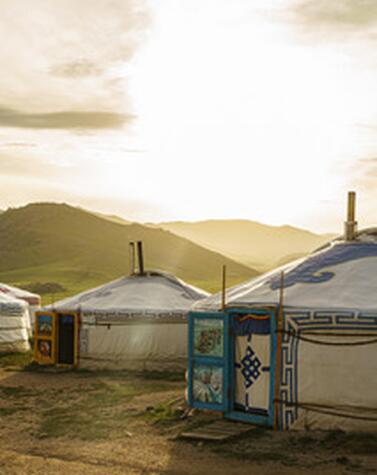
Deep in the Mongolian steppe, the Genghis Khan Retreat offers a timeless refuge of silence, wide-open space, and some of the world’s finest horsemen.
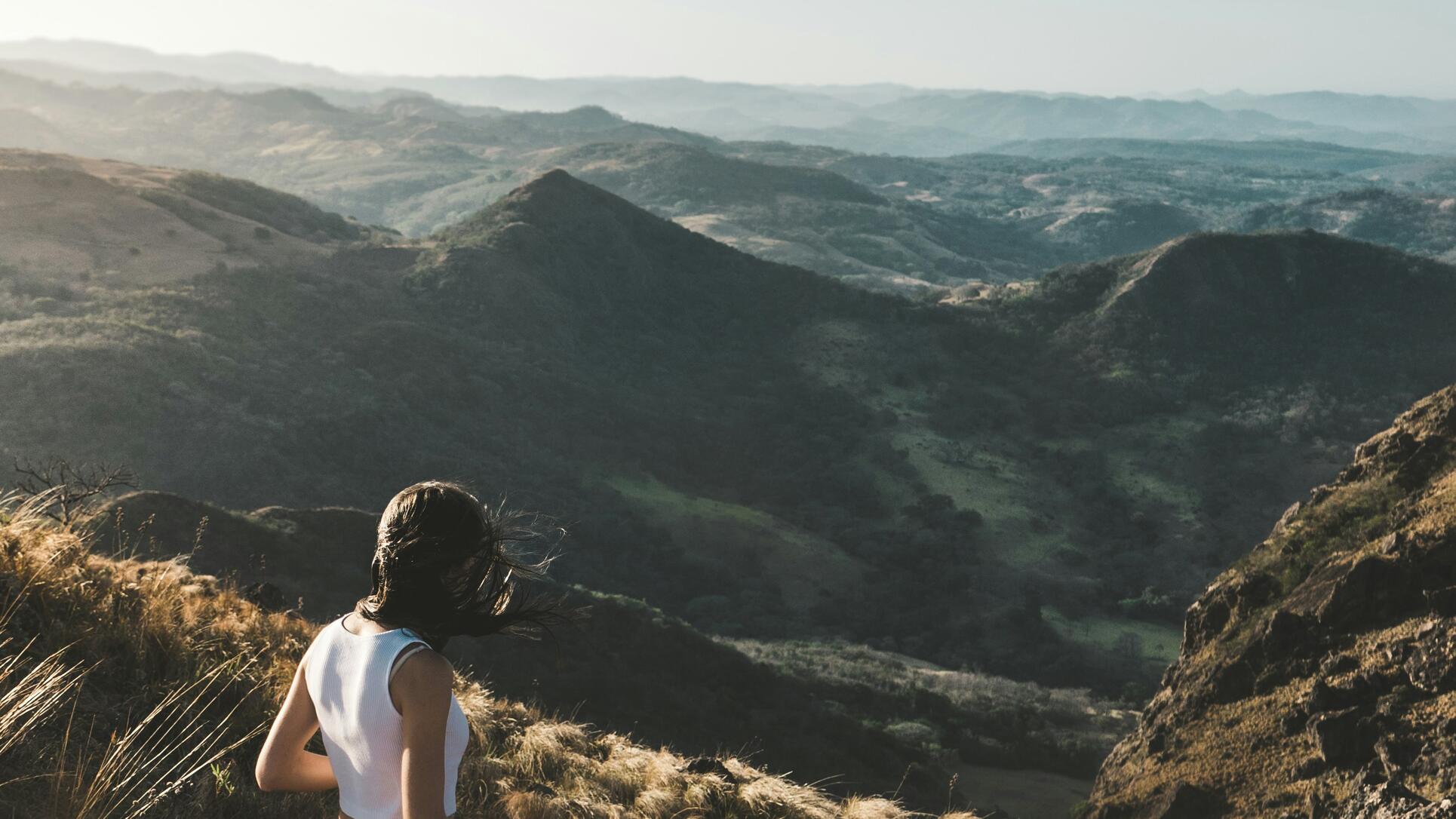
A journey through Costa Rica by road reveals a country shaped by its volcanoes. The scenery changes with every kilometre, and each crater reveals something of the forces beneath the landscape. From Arenal to the fumaroles of Rincón de la Vieja, these volcanoes have influenced both the land and the lives of its inhabitants. Travelling by car lets you explore them at your own pace and experience the energy of this volcanic landscape.
Costa Rica’s volcanoes have shaped its landscape, wildlife and culture. Exploring them calls for a car, a map and a little curiosity.
Roads wind through valleys, mountains, coffee plantations and rainforests, with a different view at every turn. The volcanoes make the journey especially memorable. Some remain active, and their presence has helped shape the country’s natural and human history.
Volcanoes have also contributed to fertile soils and enduring local legends. From Poás and Arenal to Rincón de la Vieja and Irazú, each has its own character. Along the way, forests give way to volcanic plains and coffee-growing landscapes.
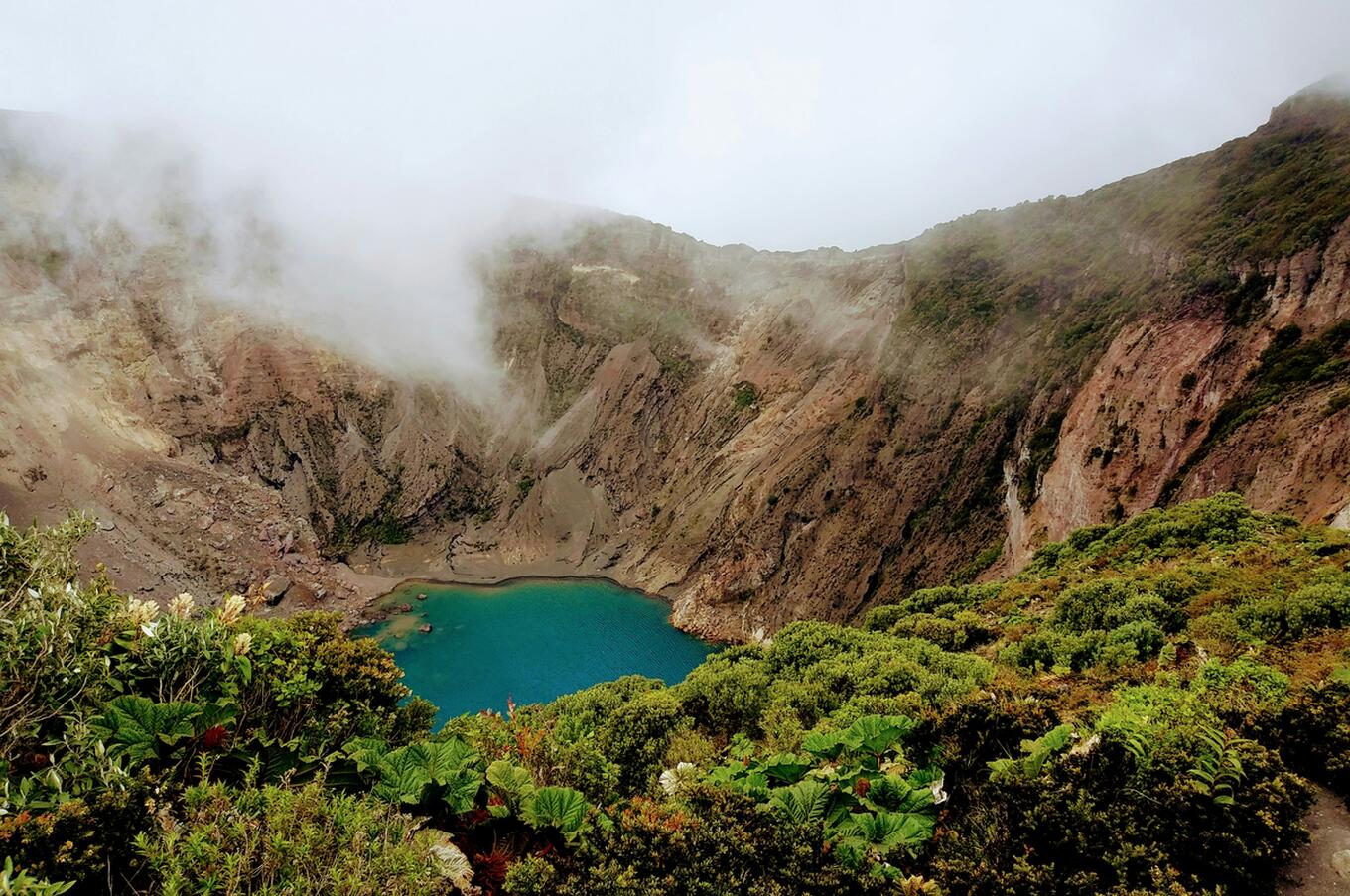
Volcanoes take many forms. Arenal and Irazú are stratovolcanoes, built up over time by layers of lava and ash. Their steep slopes and prominent profiles make them striking landmarks. Elsewhere, volcanic activity reveals itself in different ways, from crater lakes to fumaroles and hot springs.
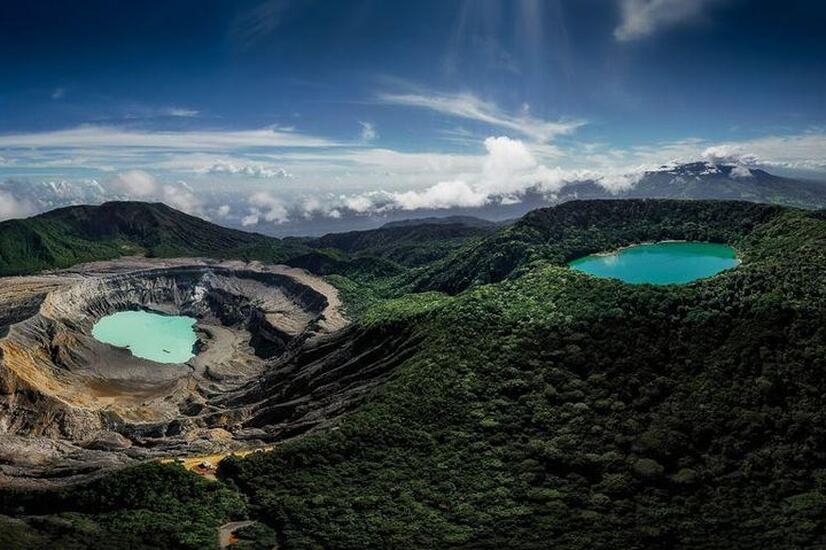
The Poás Volcano, with its impressive main crater measuring 1,3 kilometers in diameter, is the perfect example of the strength of these giants. Its turquoise lagoon, formed by rainwater mixed with sulfuric acid, is a living geological spectacle. Throughout history, this volcano has been revered by indigenous communities as the home of powerful deities. The huetares, ancient inhabitants of the region, believed Poás to be the residence of a god of thunder and lightning, a belief that can make a lot of sense when you stand on the rim of its crater and listen to the roar of the underground.
Farther north, Arenal rises above the surrounding landscape with a distinctive conical profile. For decades, eruptions and lava flows made it one of Costa Rica’s most dramatic sights. Its eruptive activity has since subsided, but the volcano still dominates the region’s scenery and history.
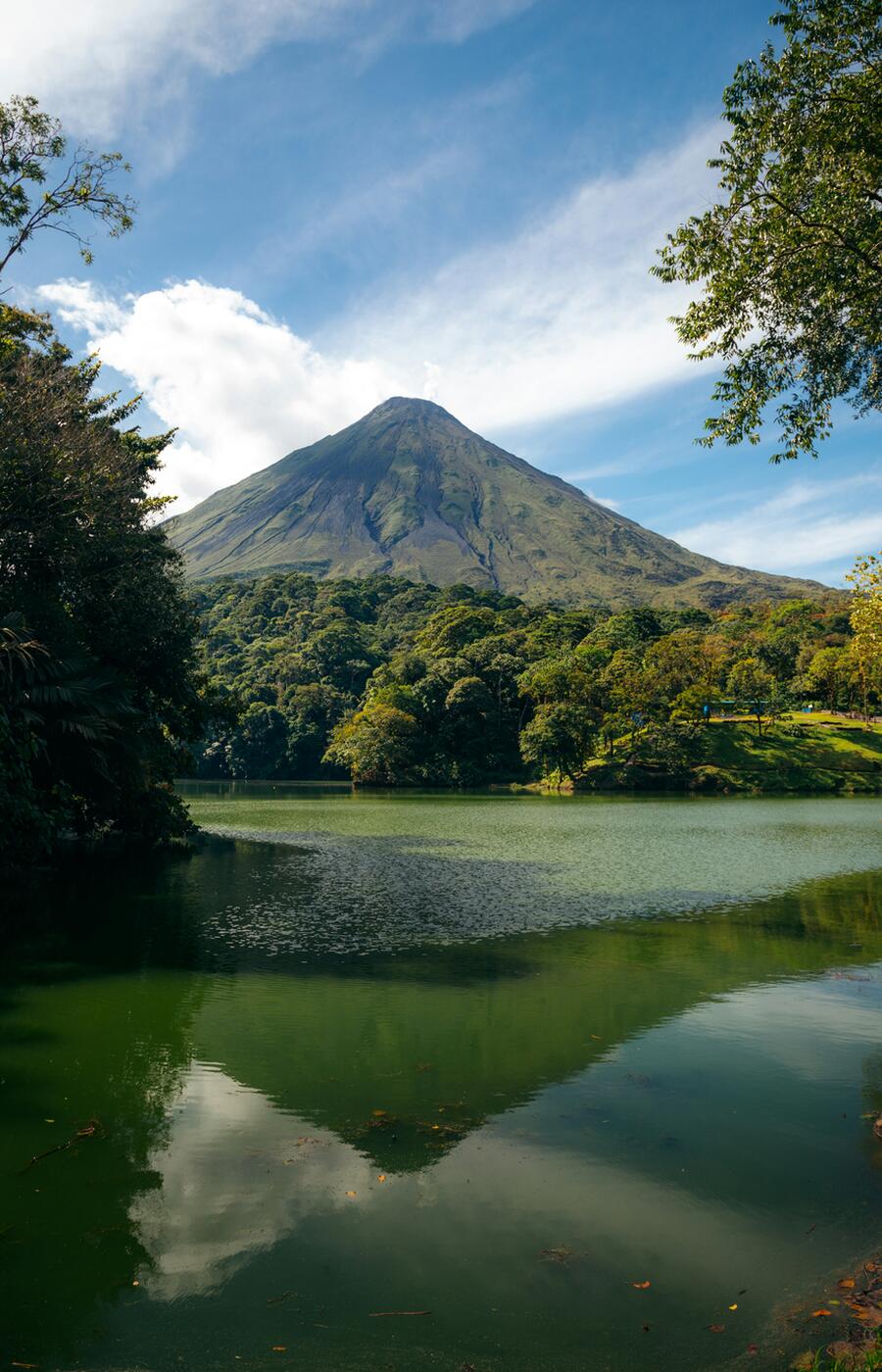
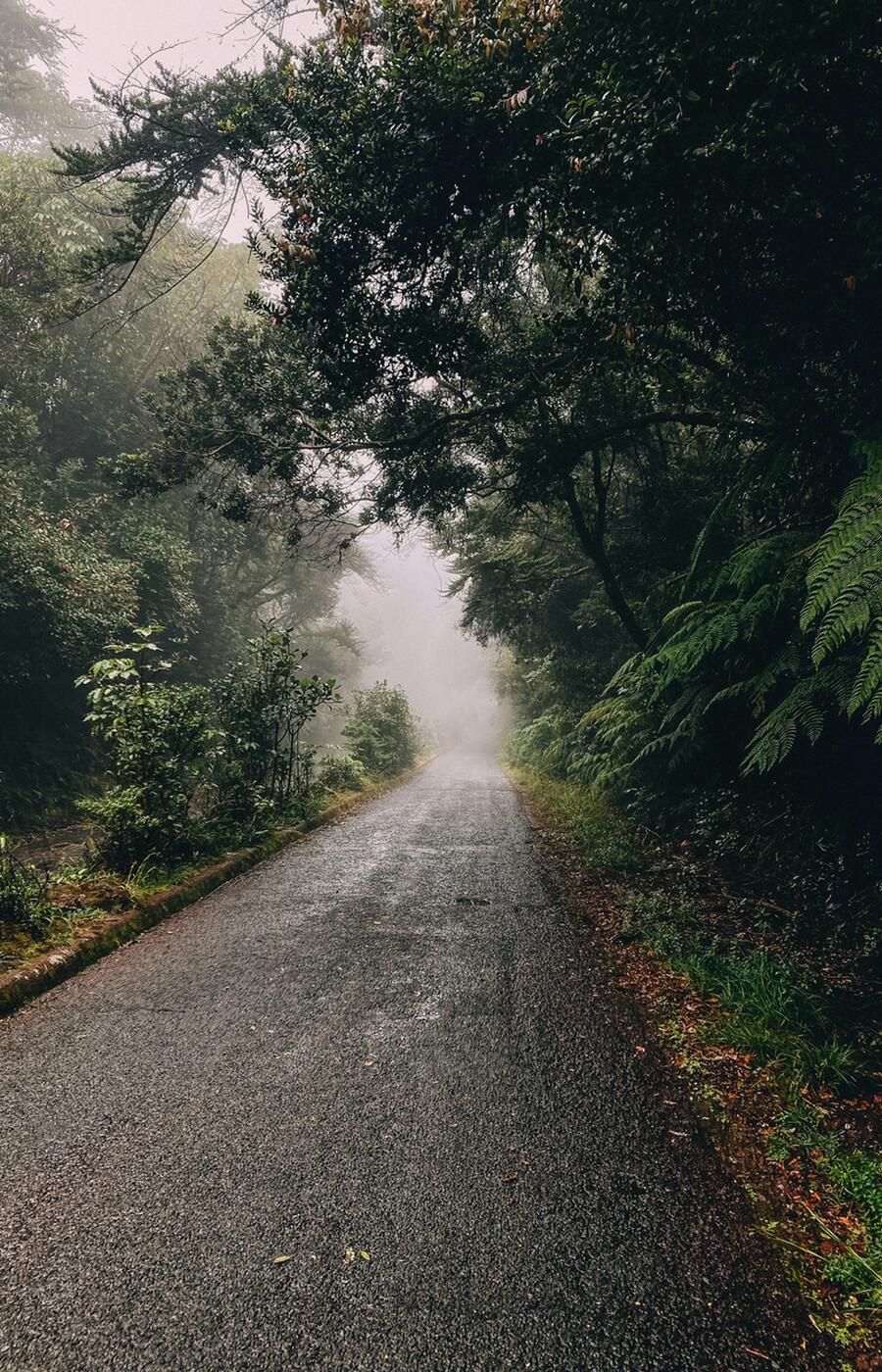
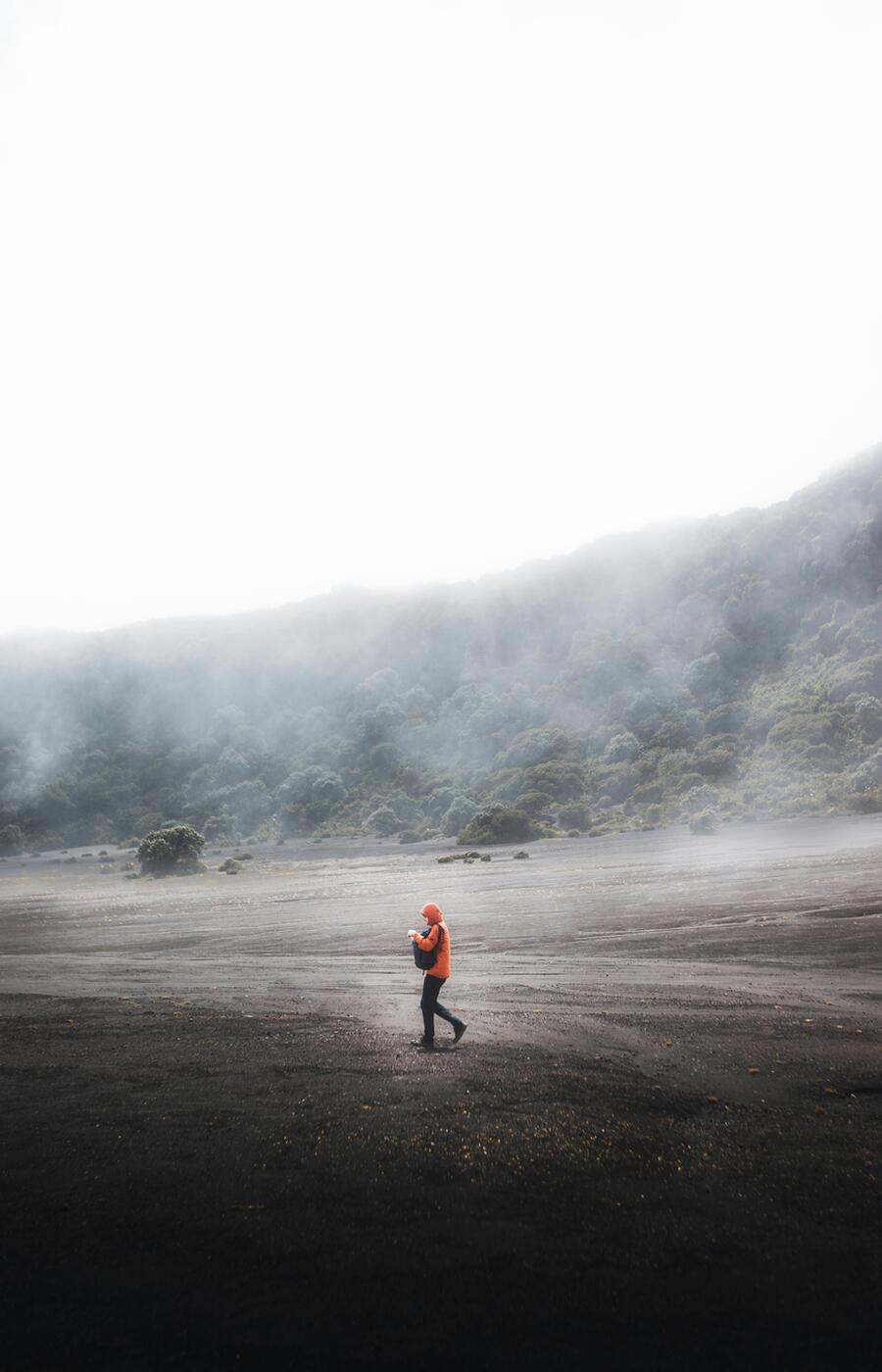
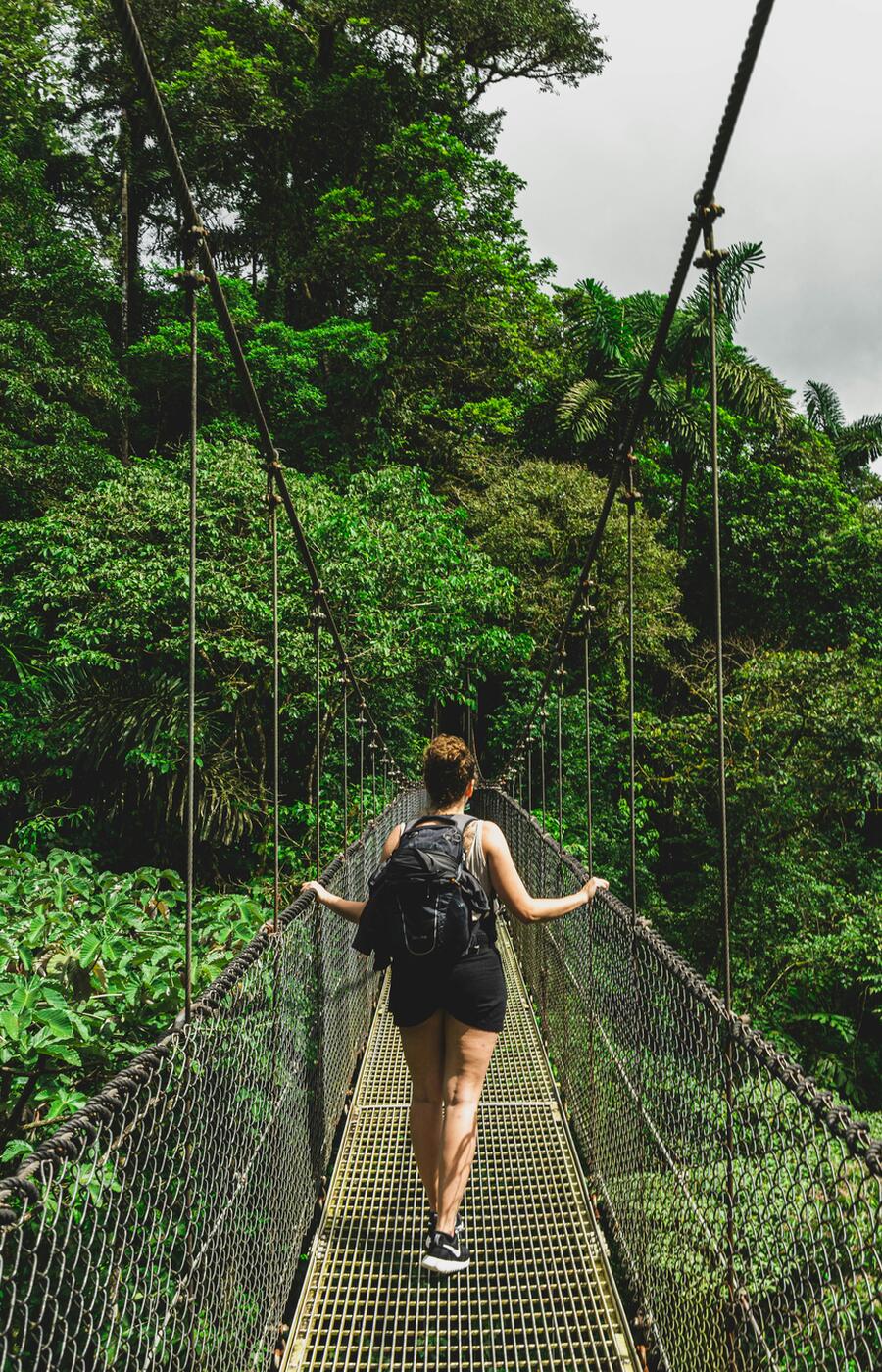
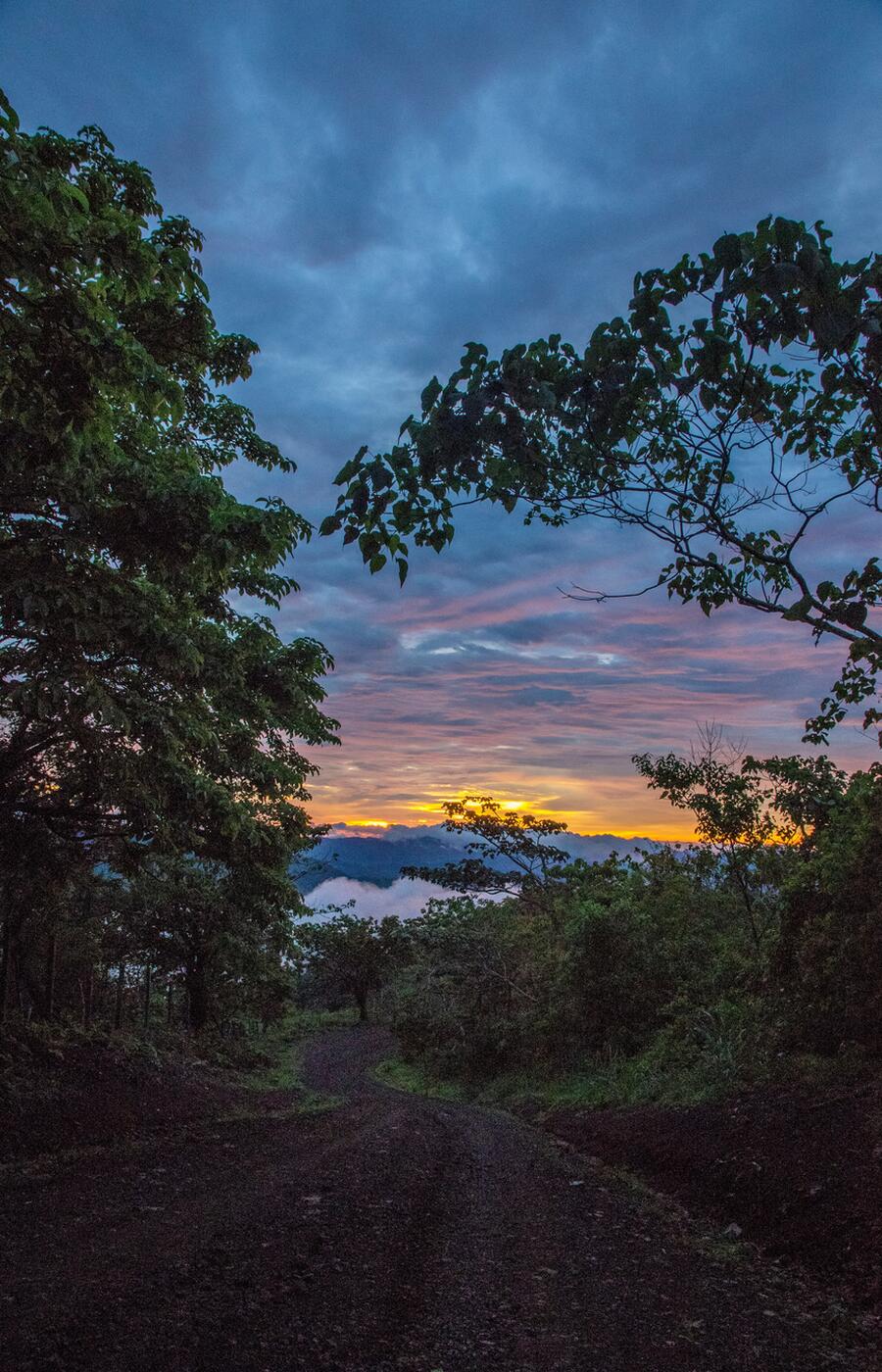
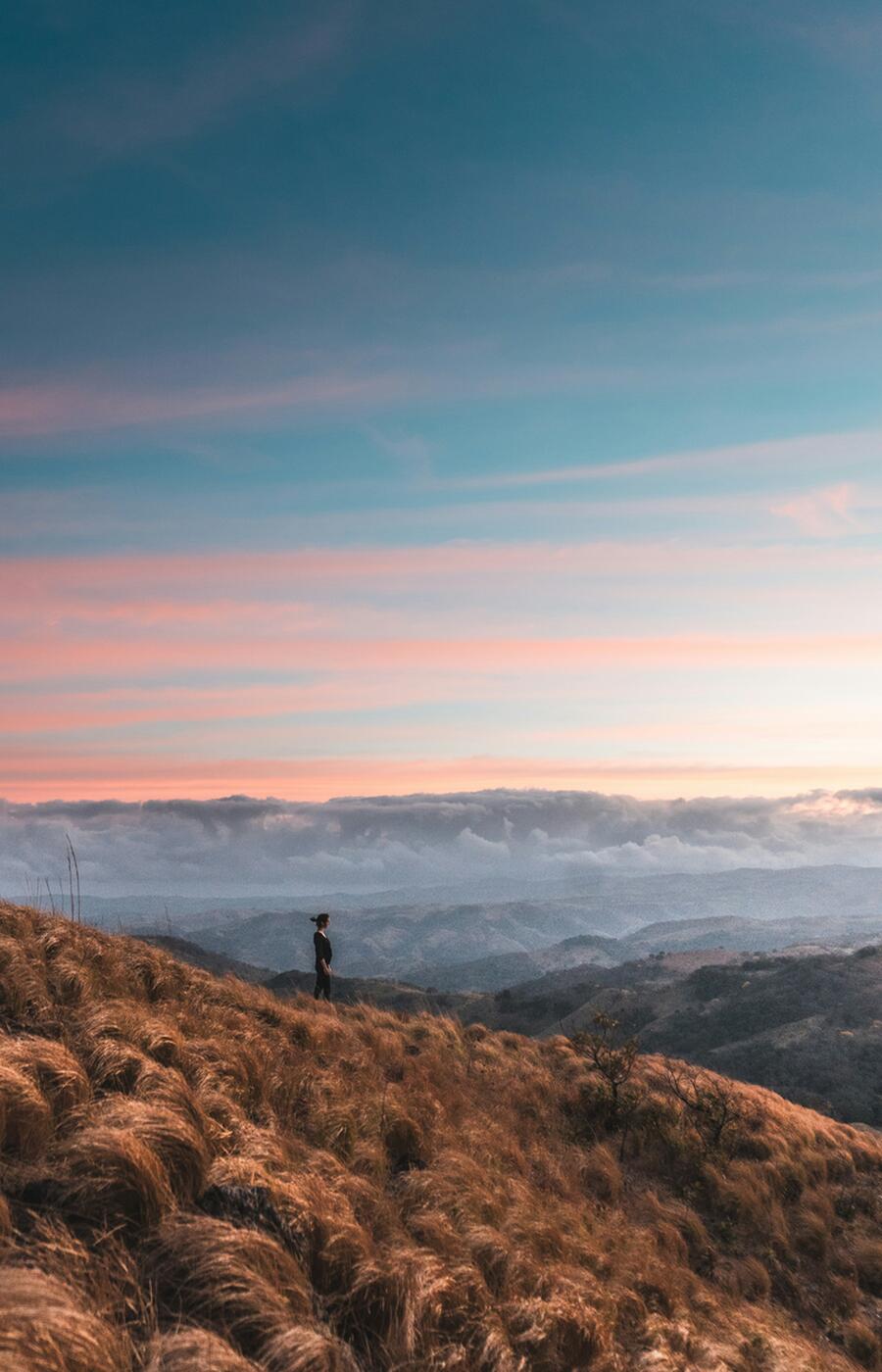
Driving through Costa Rica also brings you closer to the people who live in its volcanic regions. Volcanic soils have helped support agriculture, including coffee and fruit cultivation. For local communities, living near a volcano means recognising both the fertility of the land and the risks that volcanic activity can bring.
This volcano in northern Costa Rica not only stands out for its spectacular fumaroles, geysers and bubbling mud pools, but also for the legend that gives it its name, Rincón de la Vieja. According to the indigenous story, a young woman, after the death of her beloved at the hands of her father, took refuge on the slopes of the volcano, where she lived the rest of her days healing travellers with the hot springs that emanate from its slopes.
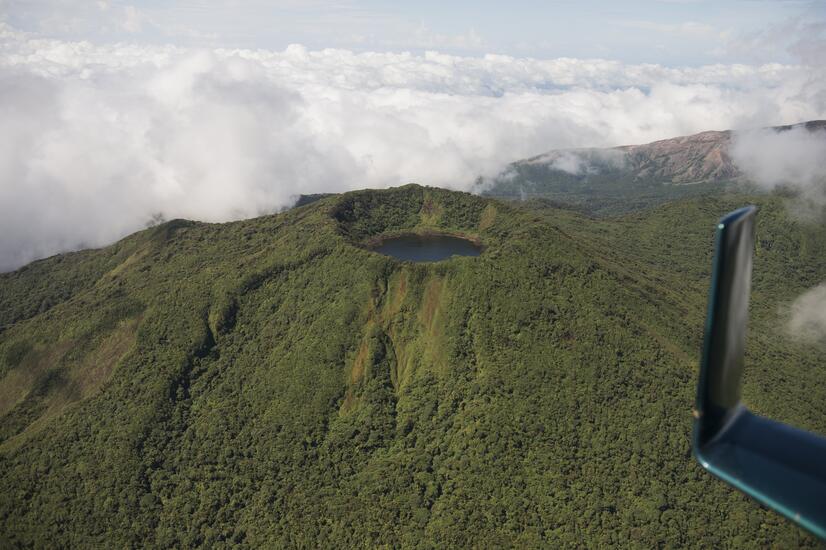
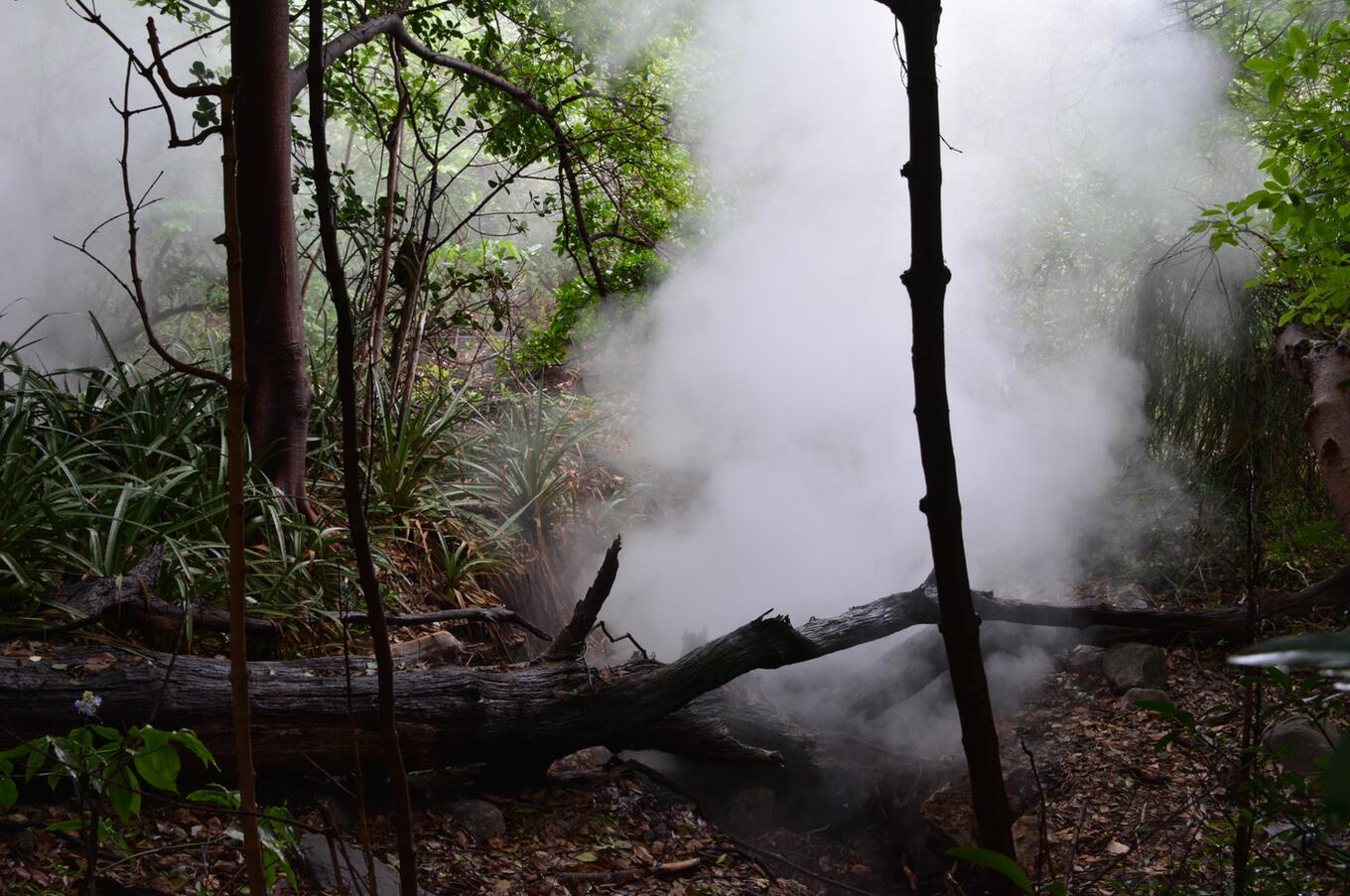
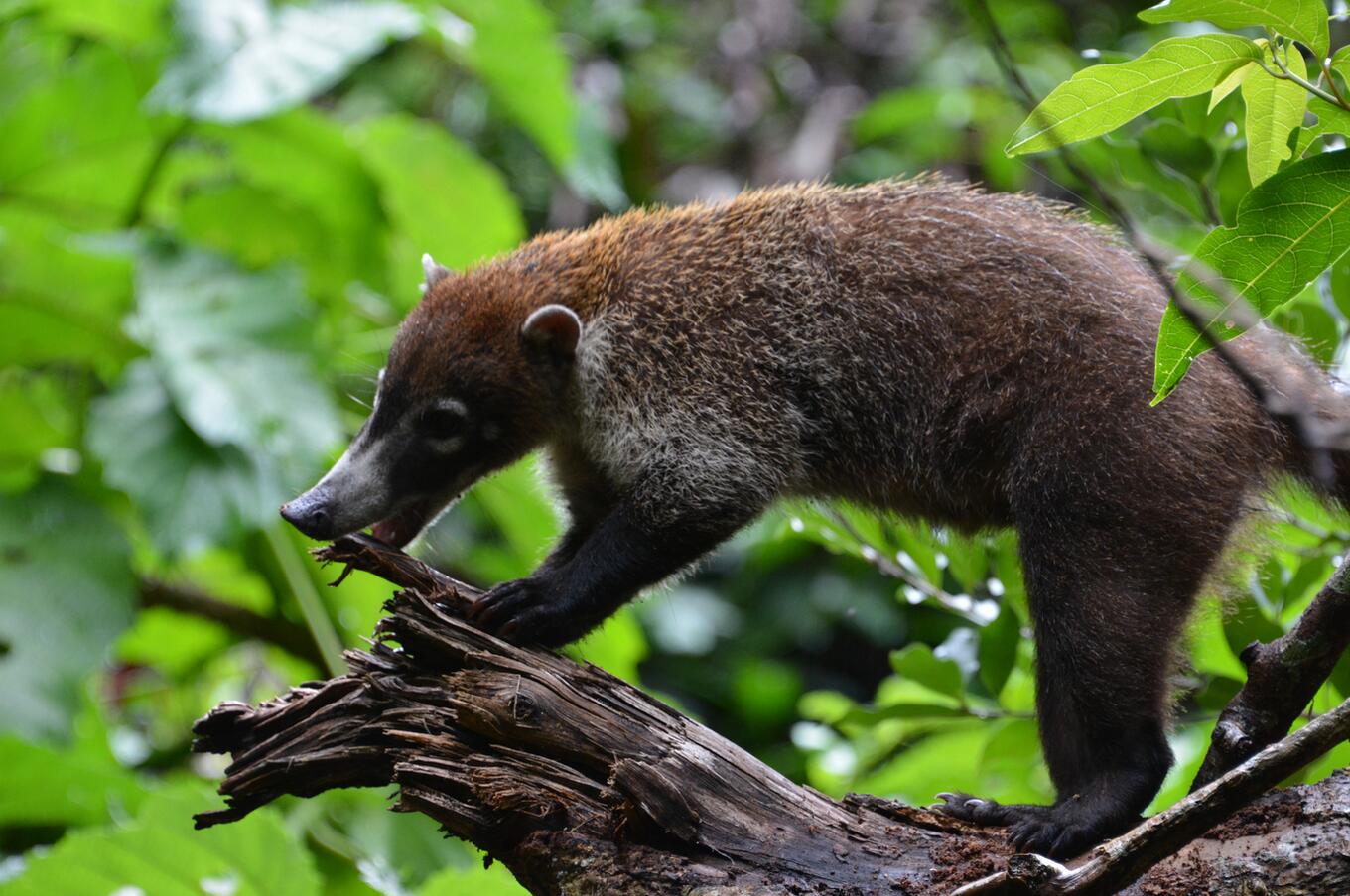
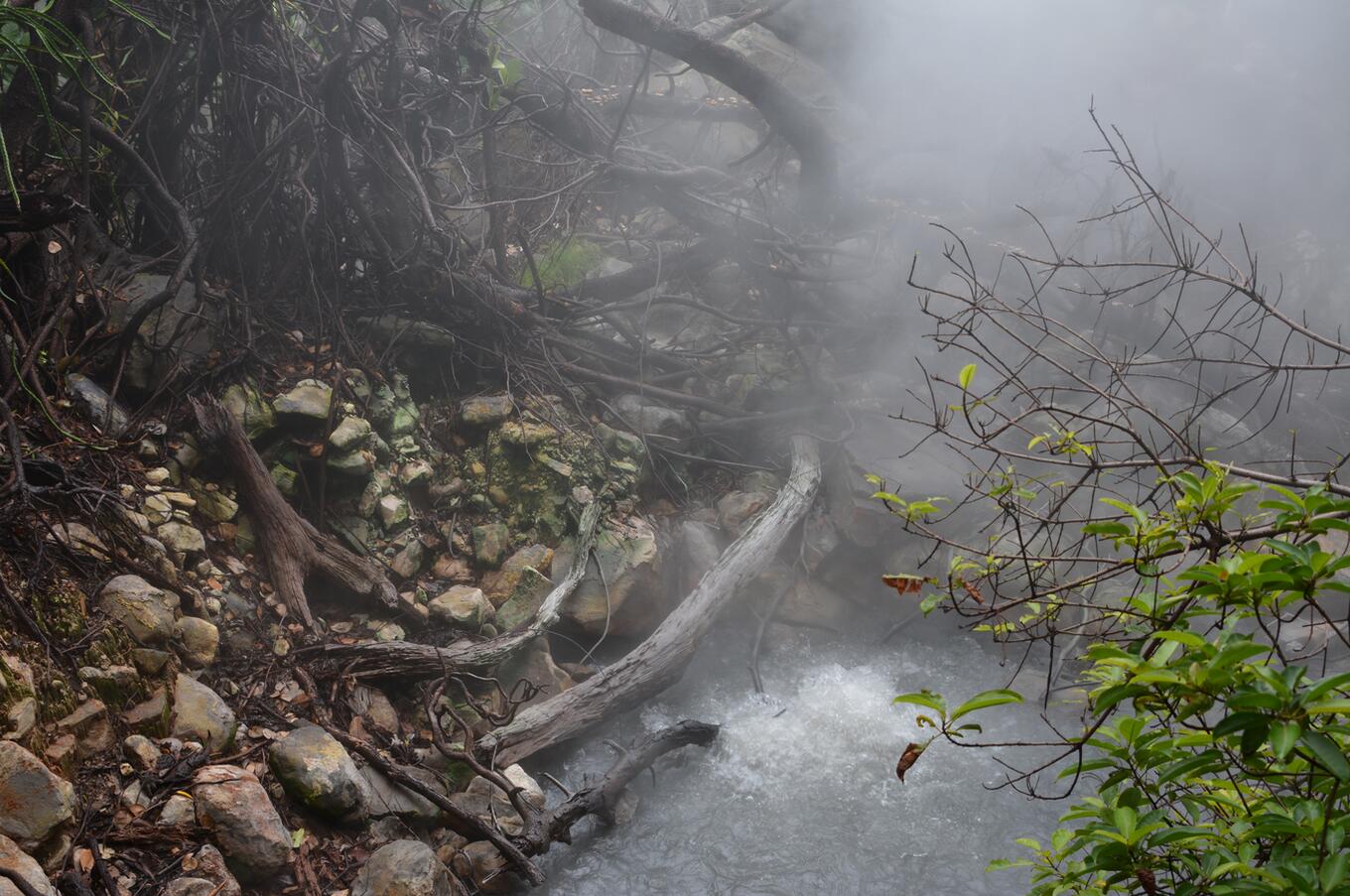
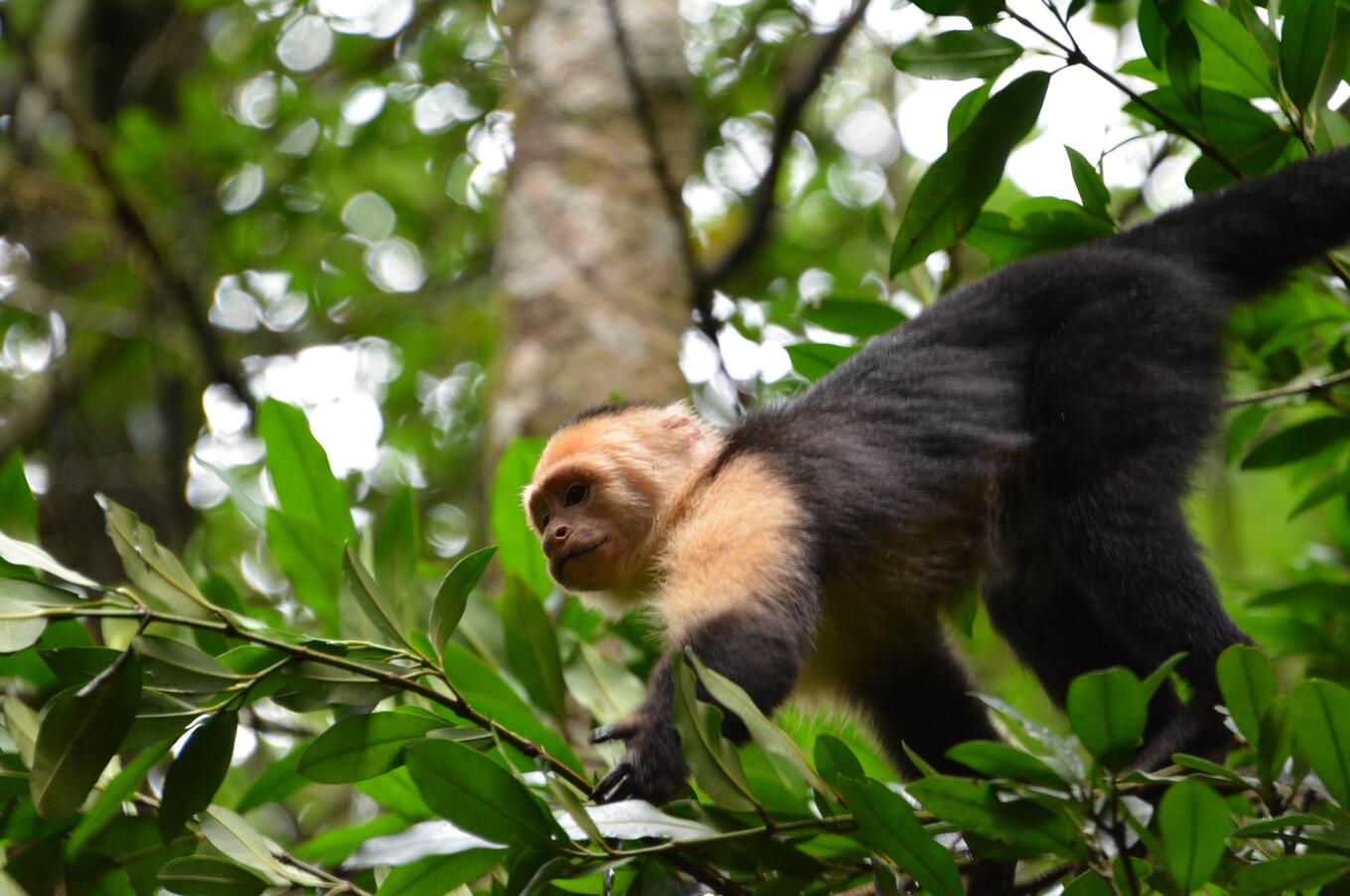
In Costa Rica, geological forces and local legends often meet. The volcanoes are a reminder that the Earth is constantly changing. From crater lakes and fumaroles to stories passed down through generations, each stop on the road reveals another side of the country’s volcanic landscape.
One story, each month, for a year

Choose your topics/ areas of interests
Five minutes of inspiration

The day of your choice