Vietnam, slowly
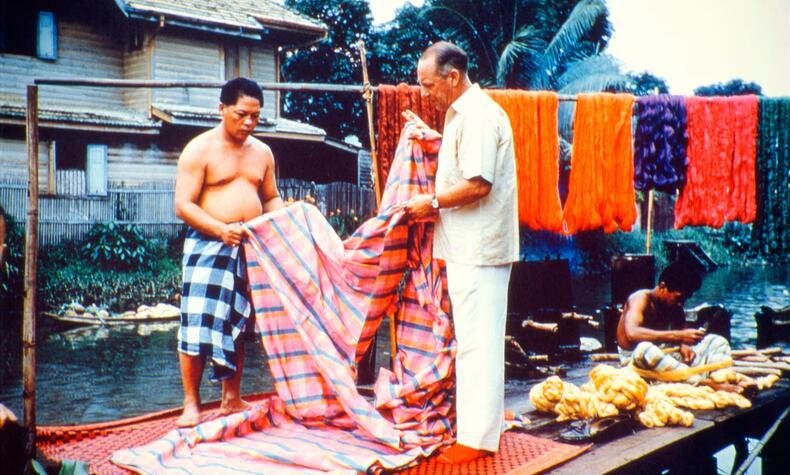
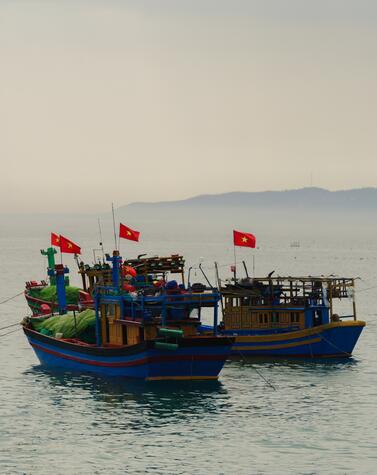
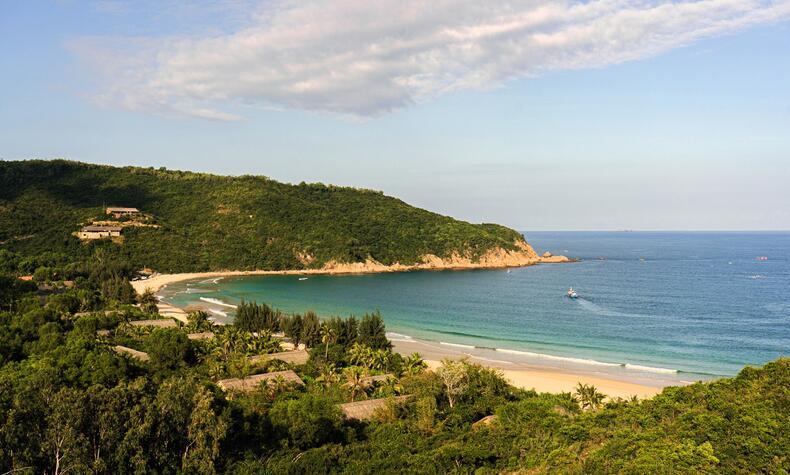
Set out with us for an East unknown to travelers, where life is marked by atavistic rural rhythms and the landscape of rice paddies and lagoons inspires quiet and delicacy.
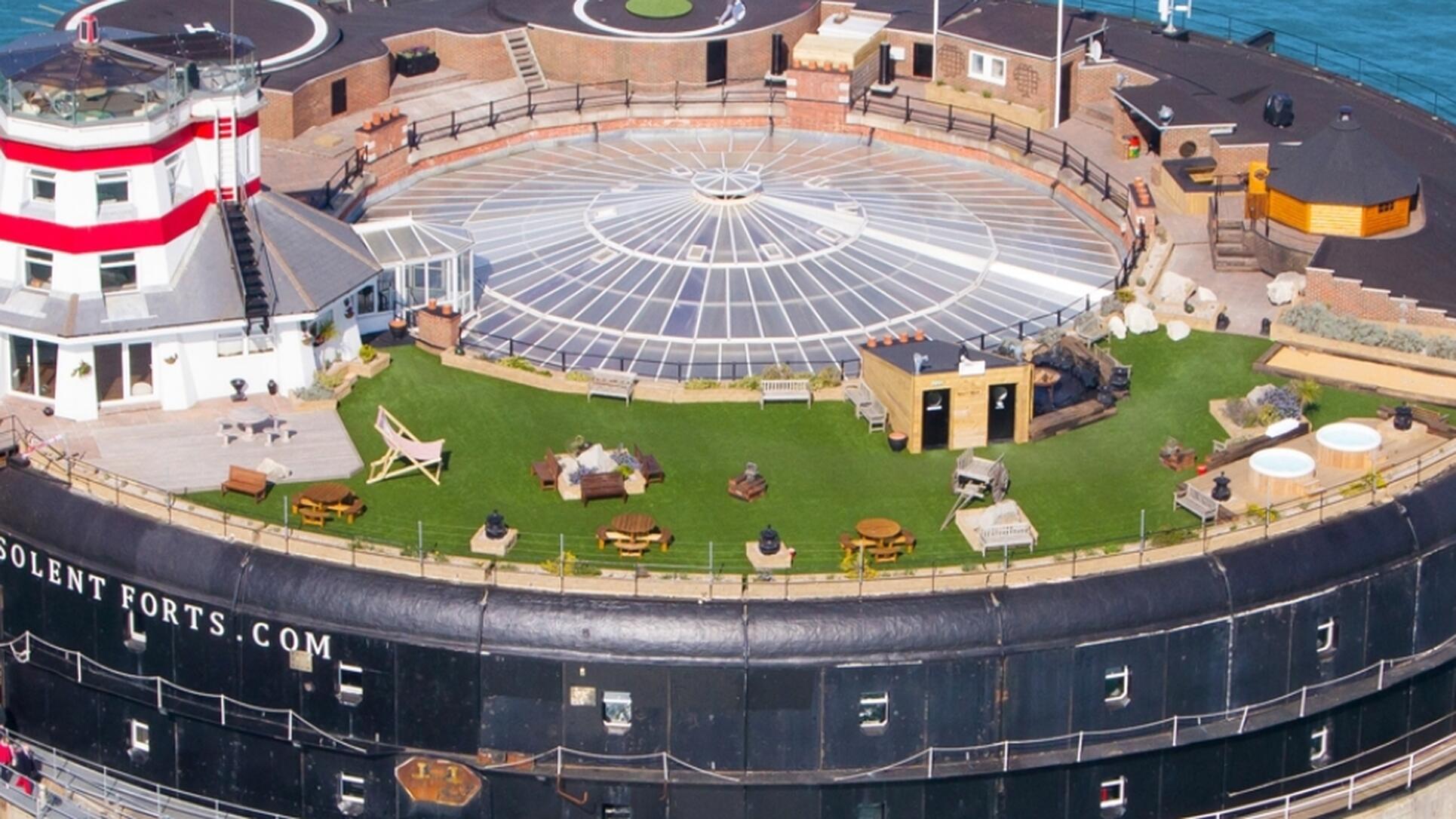
Between Portsmouth and the Isle of Wight, in the stretch of sea separating the island from England’s south coast, a vast circular structure seems to float on the Solent. This is No Man’s Fort, a Victorian sea fortress with the silhouette of a stone raft. Built in isolation for defence, it would later turn that same remoteness into its greatest attraction as a hotel.
The fort belonged to the network of coastal defences championed by Lord Palmerston amid fears of an attack by Napoleon III’s France. These costly strongholds became known as Palmerston’s Follies: by the time they were completed, the threat that had prompted their construction had faded.
Work on No Man’s Fort began in 1861 and, after a series of interruptions, was completed in the spring of 1880. Building a fortress at sea posed an unusual challenge: laying foundations that could withstand both the weight of the structure and the force of the waves.
Large concrete blocks and masonry walls formed its base on the seabed. The space within was filled with shingle and capped with a thick concrete slab, upon which the fort’s accommodation and defences were built. Ammunition stores, garrison quarters and gun positions once occupied spaces that would later give way to bedrooms and lounges.
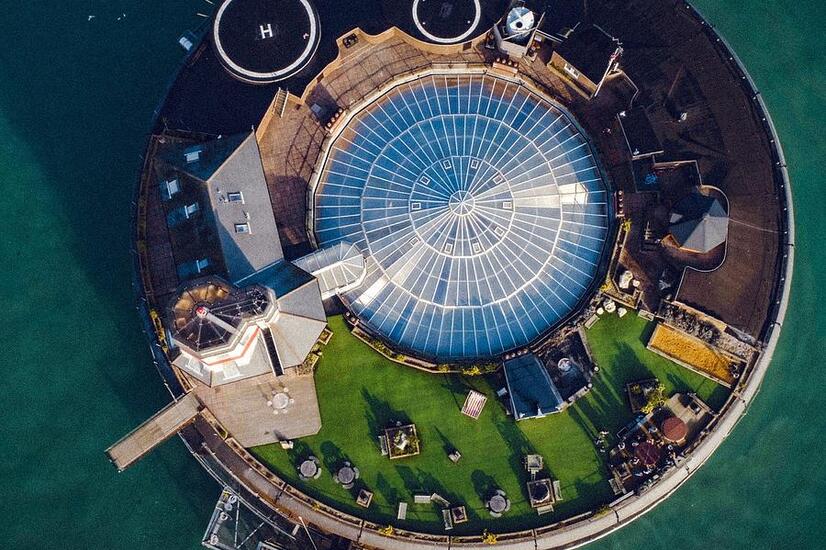
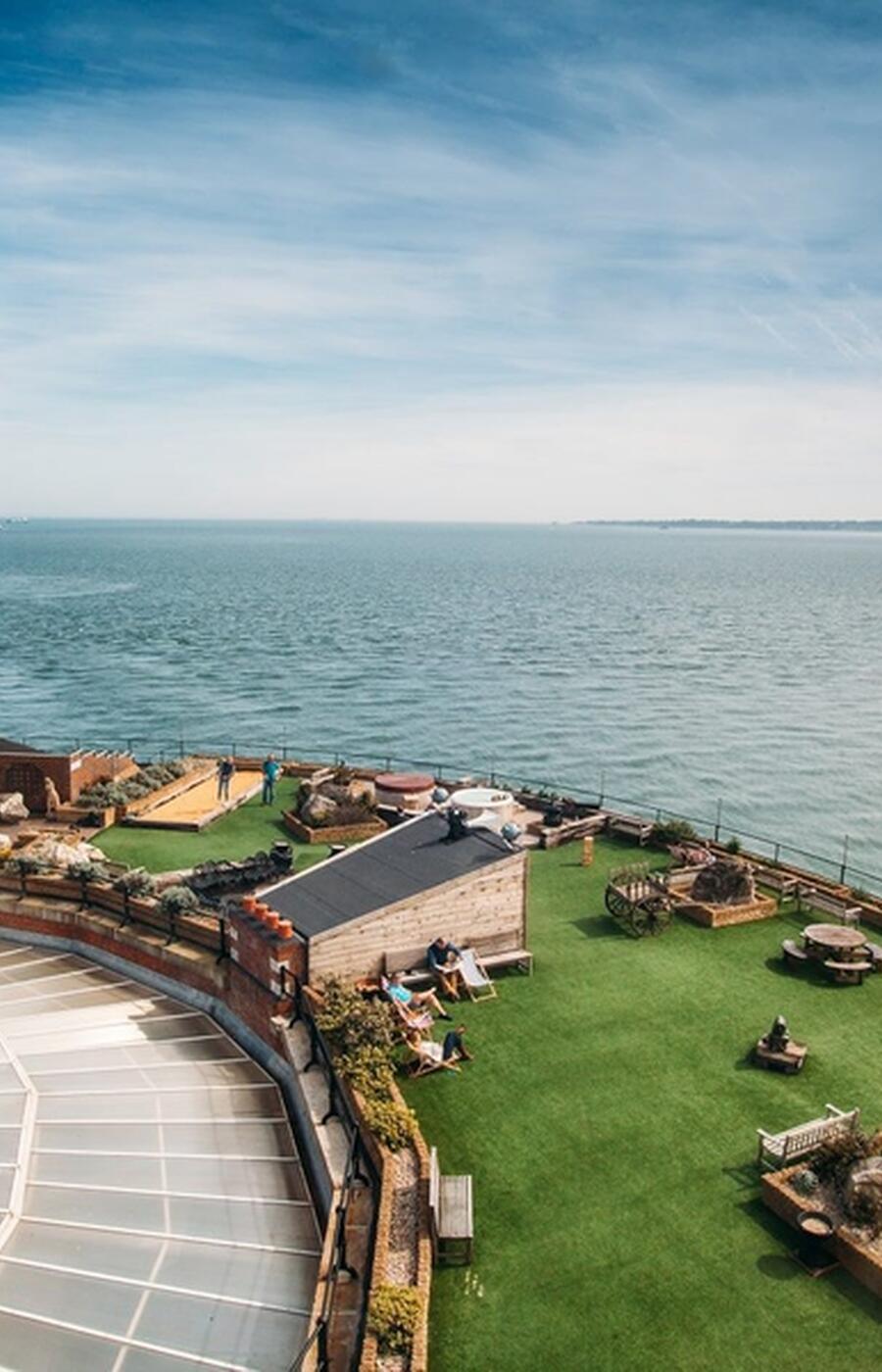
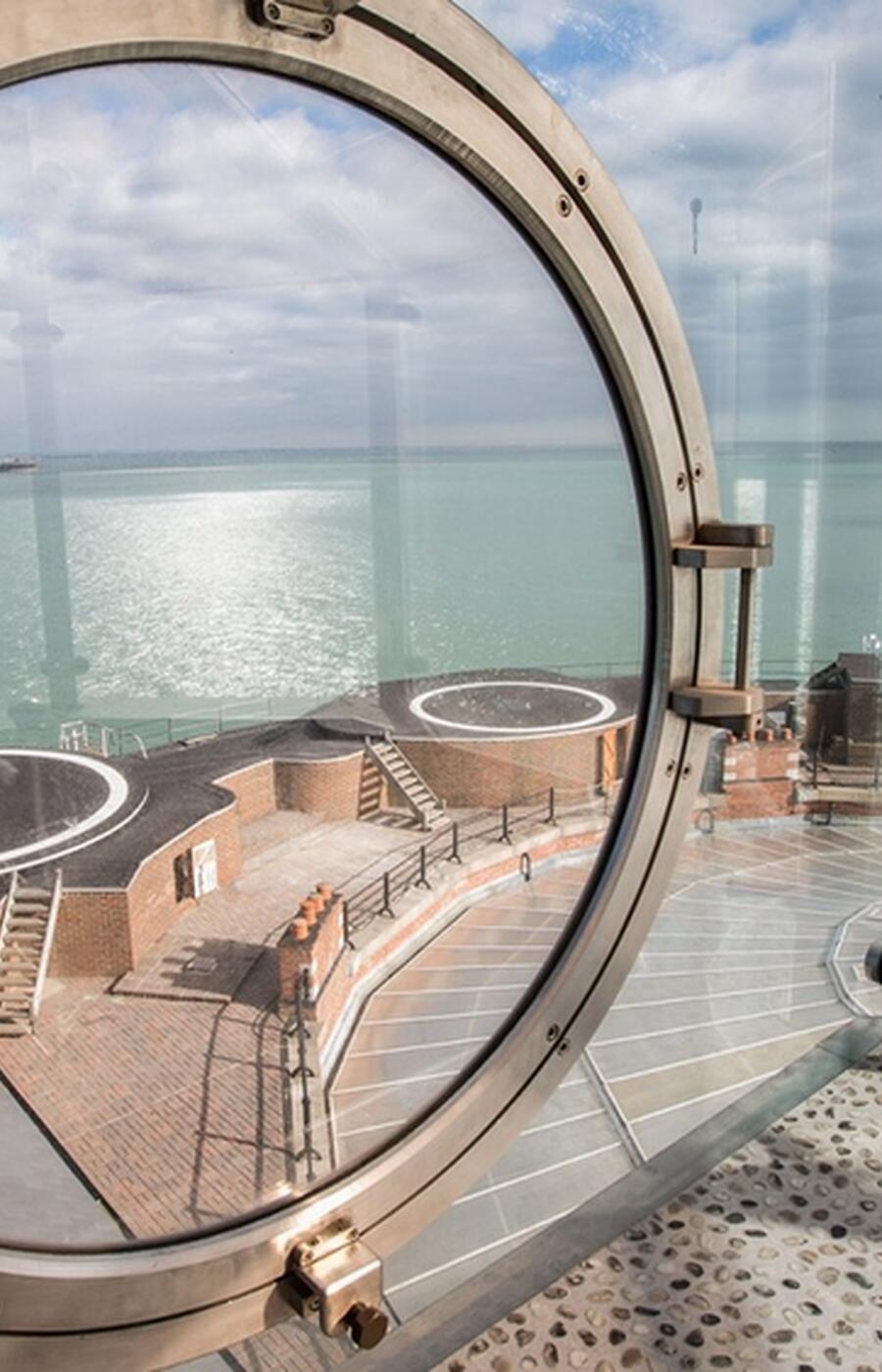
In time, the defence of Portsmouth gave way to a very different purpose. After successive changes of use and periods of abandonment, No Man’s Fort opened as a luxury hotel in 2015. The distance from shore that had shaped life for its military occupants became an invitation to leave everyday life behind.
More than 9,000 square metres across four floors housed 23 en-suite bedrooms, crew quarters, restaurants, bars and event spaces. Guests could arrive by sea at one of two landing stages, or by air using the fort’s helipad.
Behind the fortress walls were lounges, a spa, a pub and a nightclub. On the rooftop terrace, hot tubs, a bar and a large fire pit offered an extraordinary setting from which to take in the horizon. To keep this small island retreat running, the complex had its own water supply, marine generators and sewage treatment plant.
Its life as a hotel was not to last. The property closed and, after several years without guests, went to auction in June 2024 alongside nearby Spitbank Fort. Offered with a guide price of £1 million, No Man’s Fort sold for £1.12 million.
Its new owner, Edward Ward, expressed his intention to find an operator or partner who could bring the building back into use. Proposals have included reopening it as a hotel, creating a private club or converting it into a residence, among other possibilities.
In 2026, No Man’s Fort remains closed to the public. Its status as a scheduled monument also means that any new scheme must respect the historic character of the building.
Built for an invasion that never came, the fortress is still searching for its next role. For now, it stands in the Solent, its walls facing the waves, with a name that seems more fitting than ever: No Man’s Fort.
One story, each month, for a year

Choose your topics/ areas of interests
Five minutes of inspiration

The day of your choice