

Paris is the new centre of gravity for contemporary art.
Whether you are a collector, connoisseur or enthusiast, the prime destination for getting into the pulse of the current world art scene is the Ville Lumière.
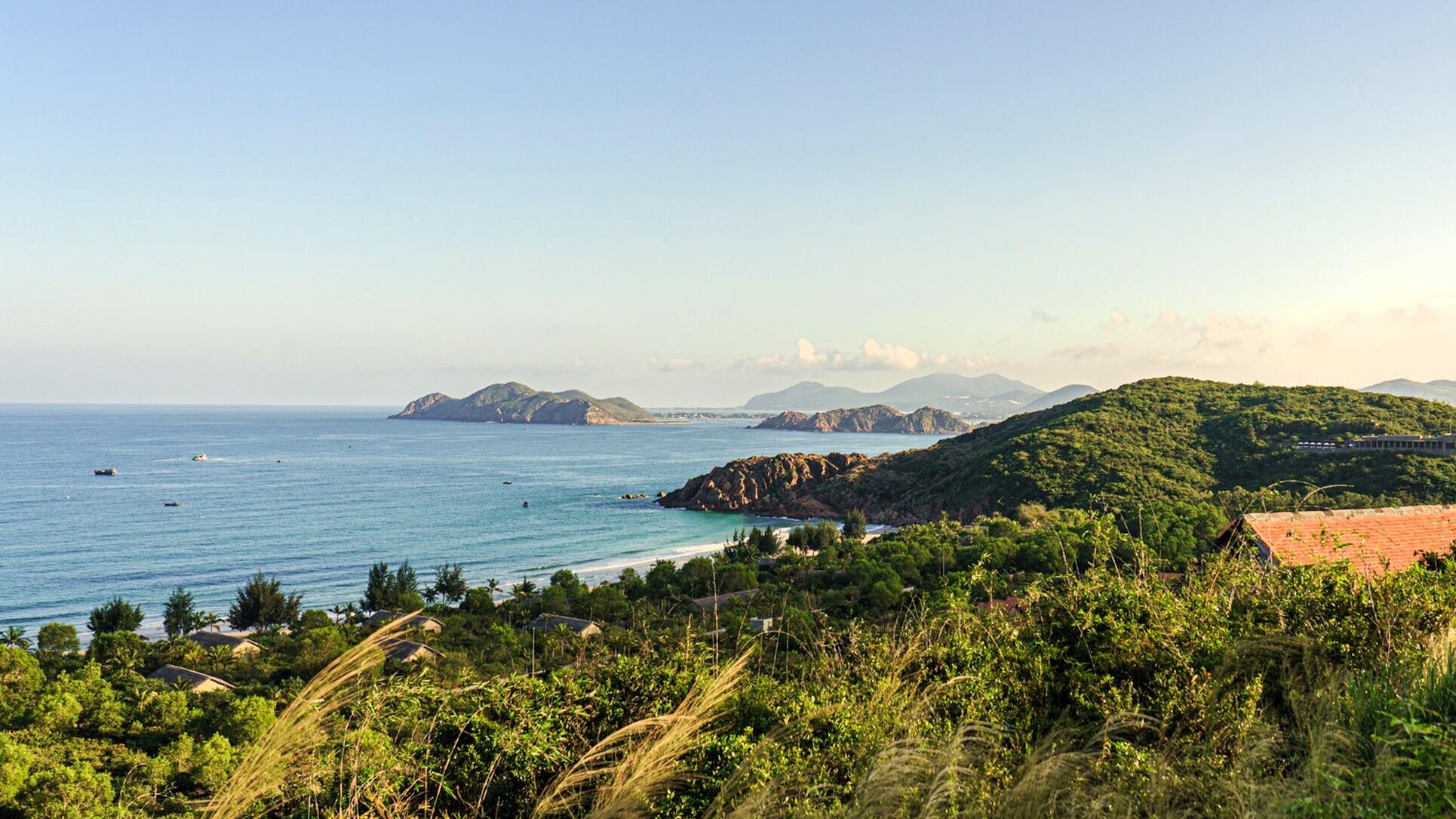
Those who make it this far, however, are lucky enough to discover a Vietnam out of time. "Vietnamese people in their 50s and 60s come to Phu Yen to rediscover the country of yesteryear," says David Castillo, executive assistant manager of Zannier Bãi San Hô, the first-and so far only-international resort, opening in the province in 2020. "For them, it's a way to relive childhood memories. A kind of gateway to a past that is no longer found in other places that have become very commercial now, like Hoi An, for example."
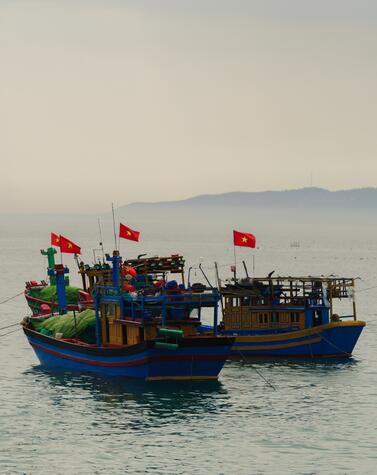
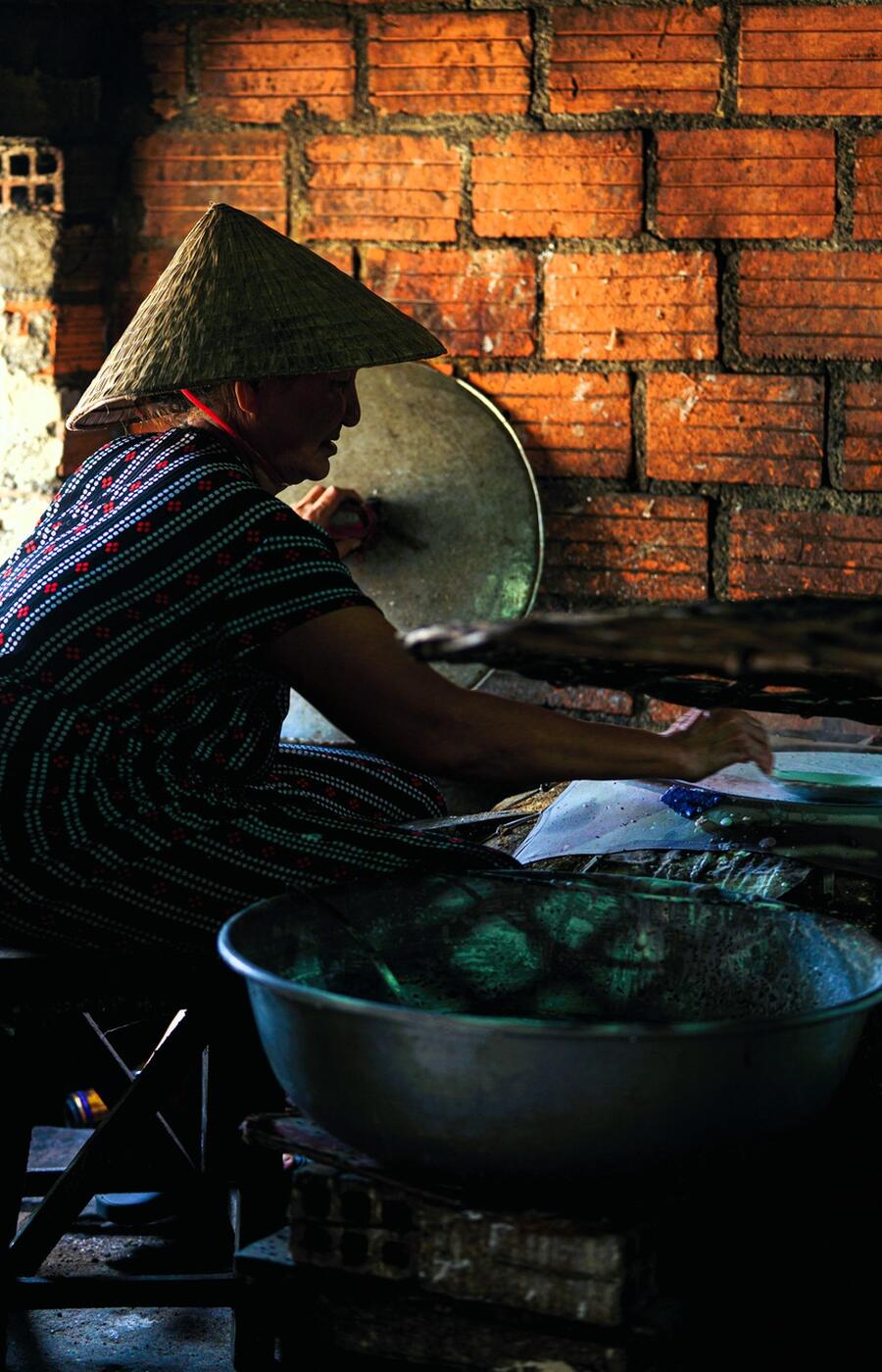
In the dusty villages of Phu Yen, often made up of only one road, chickens roam freely and healers cure ailments with coriander rau răm, Vietnamese balsam and other local herbs. From soot-blackened open kitchens, cone-hatted women with chapped hands serve bánh tráng - rice wafers sprinkled with sesame - or grilled corn on the cob topped with freshwater fish sauce. In the lagoons, a mosaic of floating oyster and lobster farms lines the landscape, while traditional bamboo fishing traps, made by the same technique for centuries, are woven into stores not far away. In fishing villages along the coast, the thung chai - round basket boats like huge salad bowls painted in bright colors - return laden with carangidae and mackerel. Fish are sold in the noisy morning markets, alongside pinkish slices of tuna, fist-sized sea snails, sweet potatoes, water spinach and pomelos displayed on worn-out tarps. Everywhere the air is humid and salty, sweetened by the scent of pineapple and jasmine.
On a hill at the edge of Tuy Hòa, the capital of the province, towers the Nhan Tower, a nearly 1,000-year-old monument and one of the few vestiges of the Cham people, who inhabited Vietnam's central regions and whose descendants-mostly Muslims-still live in scattered villages along the central coast and in the Mekong Delta.
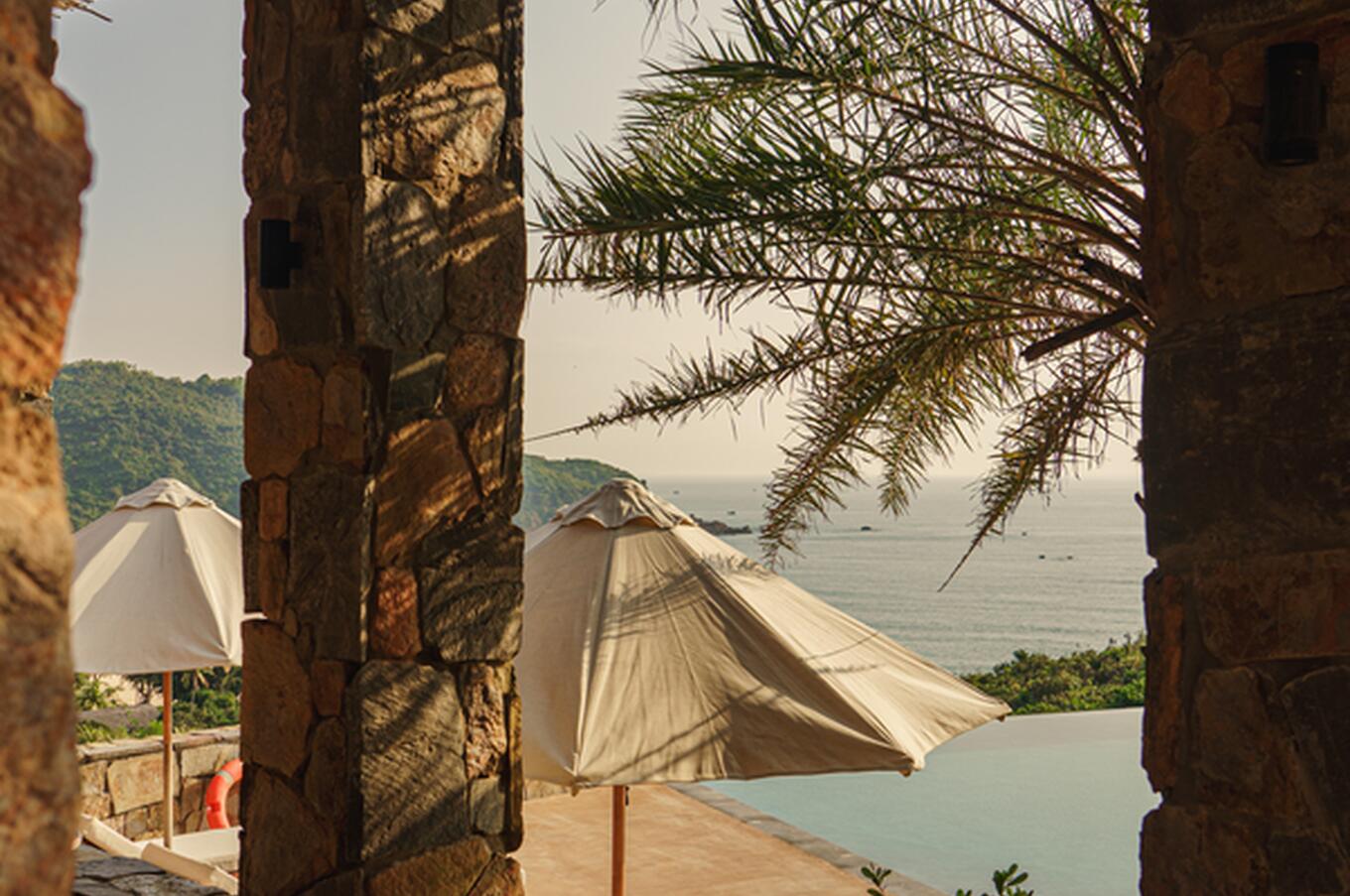
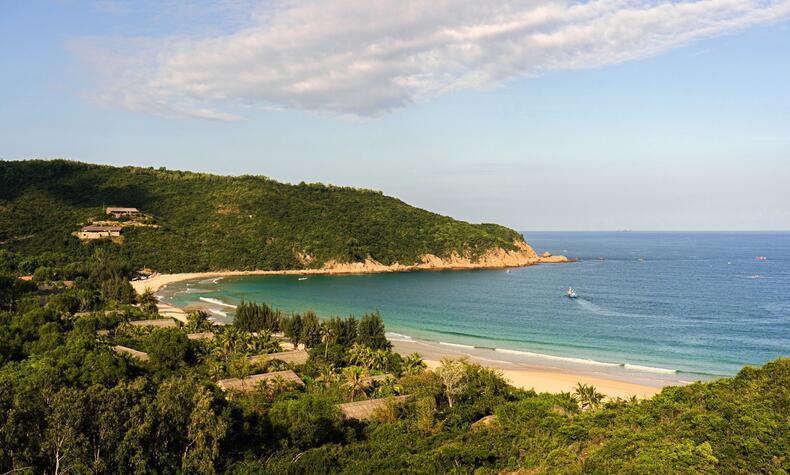
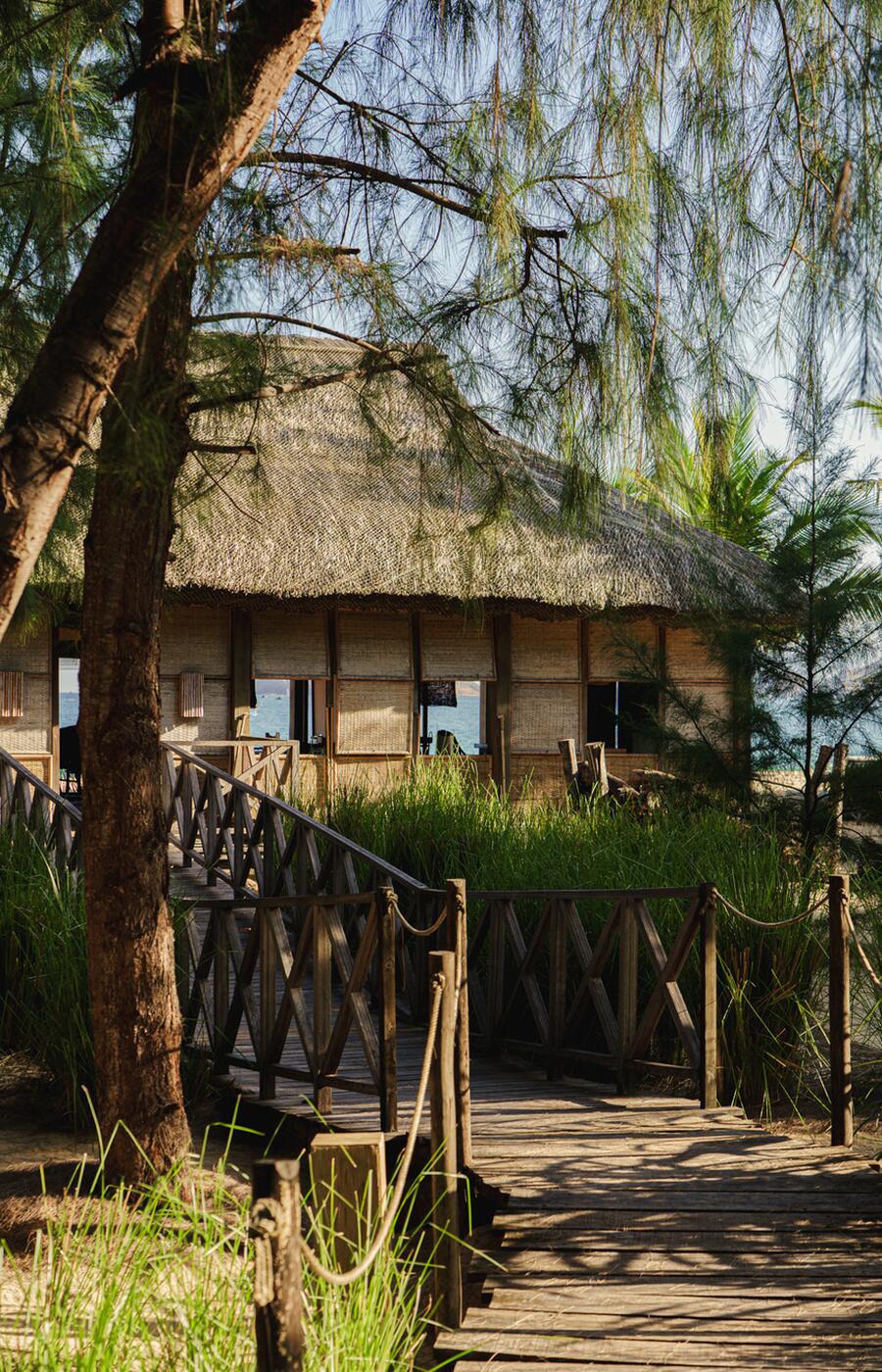
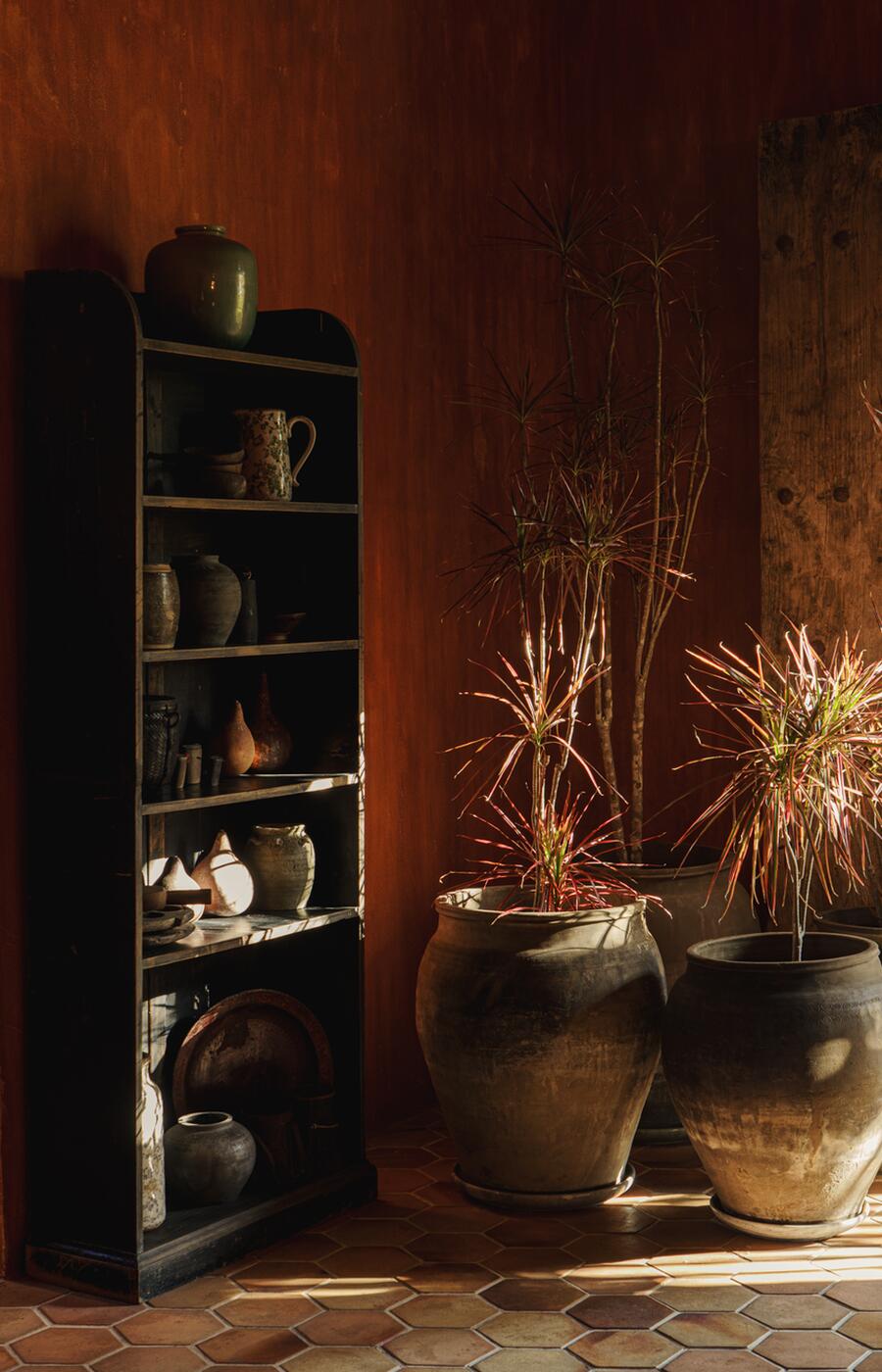
In these simple, almost archaic, and little-traveled places, until recently the hotel offerings were basic and lacking in particular appeal. Things changed, however, in 2020, with the opening of the Zannier Bãi San Hô resort near the town of Song Cao, in northern Phu Yen. Spanning about one hundred hectares on a rocky peninsula overlooking the sea, the residential complex is the result of a fascinating contamination between the area's historic cultures and its atavistic rural soul: the seventy-three villas-from hillside lodges with private pools to huts built between the jungle and the beach-are inspired by the traditional architecture of local fishing communities and the styles of the region's ethnic groups, including Cham and Rade. Built on stilts to reduce their impact on the land, the villas have thatched roofs, bamboo floors, and walls made of cob (a mixture of clay, sand, and thatch), while in the décor they mix Southeast Asian antiques, local handicrafts, and raw jute and linen fabrics.
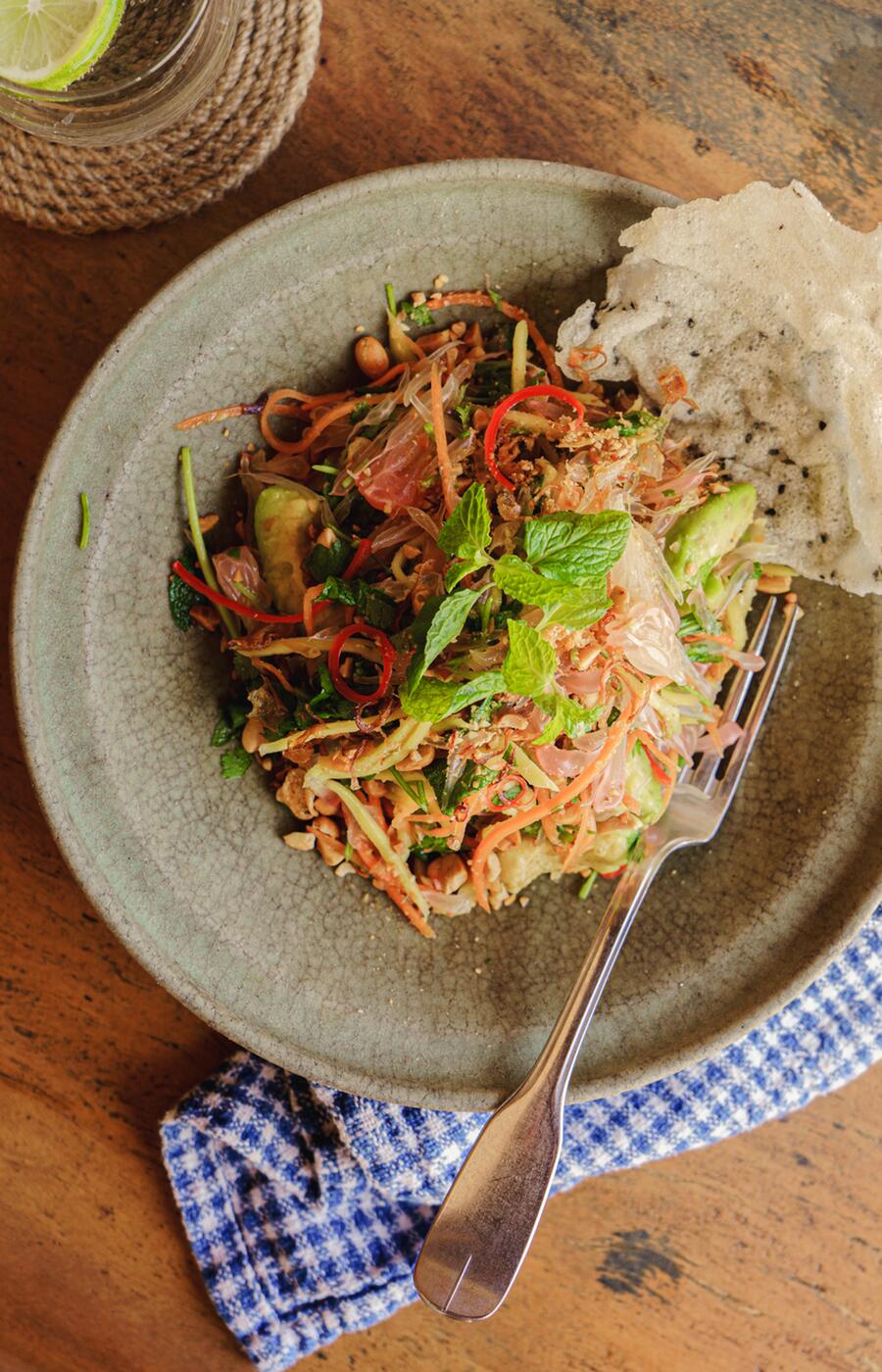
The days here flow slowly, in tune with the tranquility of the surrounding landscape. In the morning, as the palm trees cast their shadows on the beach, guests start their day at the scenic Nha O restaurant with steaming bowls of bún riêu - crab noodles - and bánh cuốn - delicate rolls stuffed with pork and mushrooms - freshly prepared, or, for the less adventurous, with smoothie bowl and avocado toast. A few steps away from the restaurant, at the Hoa Sen spa - a textural retreat whose meditative atmosphere is reminiscent of the interiors created by Axel Vervoordt - one can try plant elixir treatments, cupping, and acupressure massage. From the seclusion of the spa, one moves on to the bohemian, casual spirit of the beach club Làng Chài: recommended is the lemongrass mojito, to be sipped lazily under palm-leaf umbrellas, perhaps toward evening, on the way back from a stroll through the market or a ceremony at the Champa temples or after snorkeling among the multicolored coral reefs off the coast.
However, even in this secret idyll change is on the horizon. In a bay north of the Zannier resort, the Mandarin Oriental group has begun work on a vast complex with seventy-two suites, villas, and beachfront residences at Bai Nom, scheduled to open in 2026. Meanwhile, rumors are circulating among insiders that developers are ready to buy pristine coves and picturesque mountain sites. "Soon the Phu Yen will be clearly visible on maps," says Castillo. Until then, however, this province suspended in time will continue to live happily at its slow pace.
One story, each month, for a year

Choose your topics/ areas of interests
Five minutes of inspiration

The day of your choice