
Vietnam, slowly
Set out with us for an East unknown to travelers, where life is marked by atavistic rural rhythms and the landscape of rice paddies and lagoons inspires quiet and delicacy.
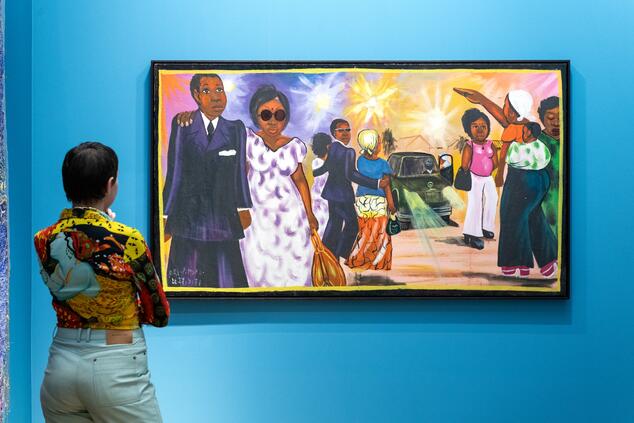
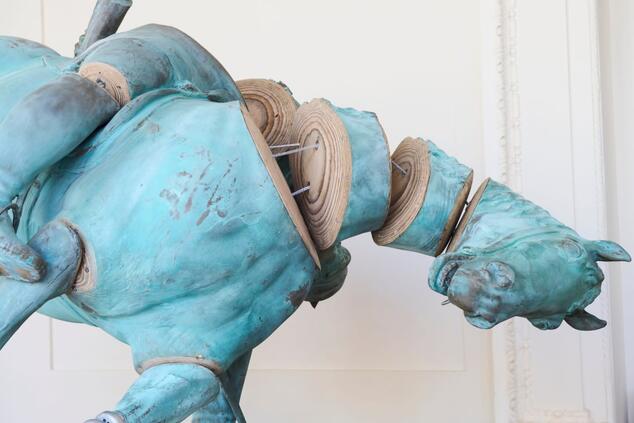
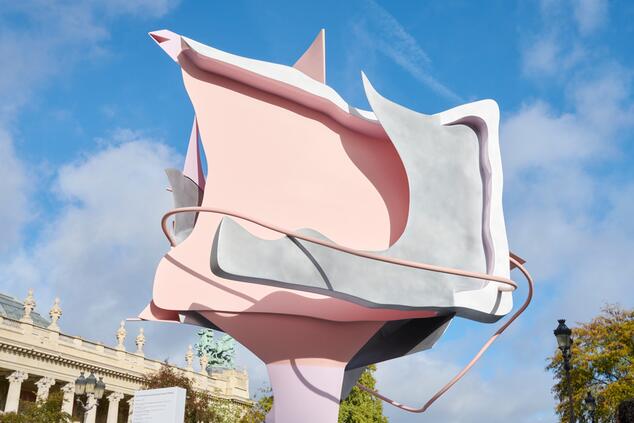
The establishment of the prestigious modern and contemporary art fair Art Basel in Paris had the effect of an electric shock. After supplanting the FIAC-International Contemporary Art Fair in 2022, the first edition of Art Basel Paris attracted 153 top galleries from 42 countries and more than 65,000 visitors. "Paris is the place to be now," was heard to say during the last edition in October 2025. Art Basel thus dethroned the ancient salon, bringing with it its prestigious portfolio of collectors accustomed to the appointments of Basel in June and Miami in December. This success has strengthened the city's attractiveness, creating an unparalleled concentration of fairs, exhibitions and auction sales each autumn.
But even beyond the fairs,the art market in France is growing. And while the United Kingdom still retains a higher share of the world market (18 percent of sales by value in 2022, compared to France's 7 percent), the wind in Europe has changed: "Brexit has rapidly reshuffled the cards in the European market. Paris appears as the place to buy art, to start a collection," explains John Browne, a collector who divides his time between Paris and London. The United Kingdom's exit from the European Union has introduced customs formalities and high VAT across the Channel, which discourage international dealers and buyers. Paris is benefiting fully from this "Brexit dividend": sales that would once have taken place in London are spilling over to France in part, and market participants now favor the French capital. Taxation is also a strong point: France applies the lowest VAT in Europe on works (5.5 percent), making Paris the "only European entry point" for the global art market after Brexit.
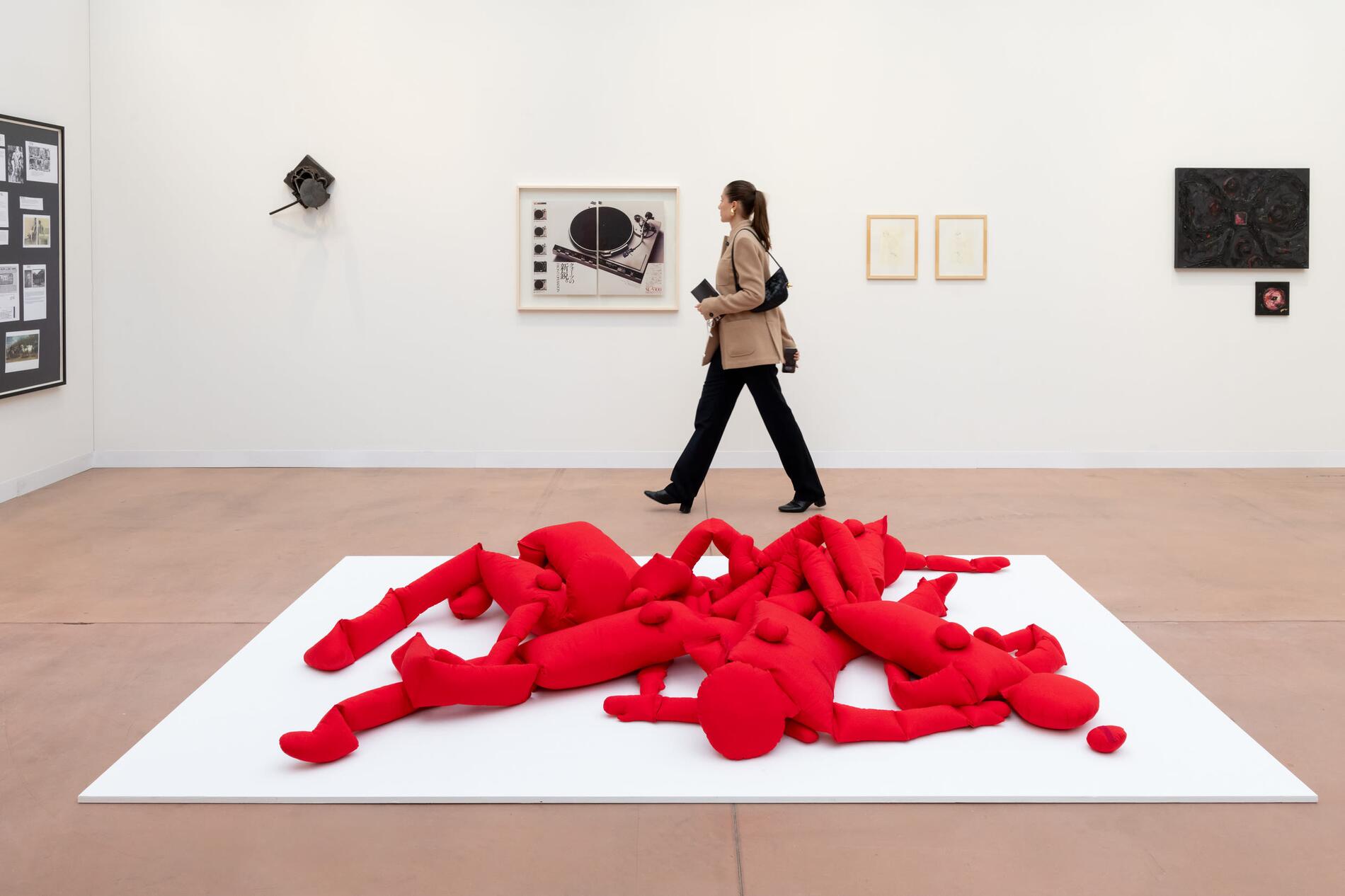
The first expression of this change are the contemporary art galleries that are multiplying and growing in importance in Paris. Gallerist Emmanuel Perrotin, a leading figure in the new Parisian scene, has continually expanded his spaces in the Marais (now 2,550 m²) and opened in 2020 a location on avenue Matignon, while also expanding to New York, Hong Kong, and Seoul. Another sign of the times, several international mega-galleries have chosen Paris to establish themselves after Brexit: David Zwirner, Gagosian and White Cube have opened branches here, soon to be followed by Hauser & Wirth, which opened a vast four-story space in 2023. These are currently the most influential players in the art world.
Collectors from around the world now converge on Paris at major appointments. Foreign advisors and dealers multiply their visits to the capital, which is often preferred over London because of its accessibility on the European continent and its more open, and less expensive, atmosphere for artists. The presence of institutional buyers has also strengthened: prestigious museums such as the Centre Pompidou, the Bourse de Commerce-Pinault Collection or the Fondation Louis Vuitton are actively enriching their contemporary art collections, offering structural support to local artists and gallerists.
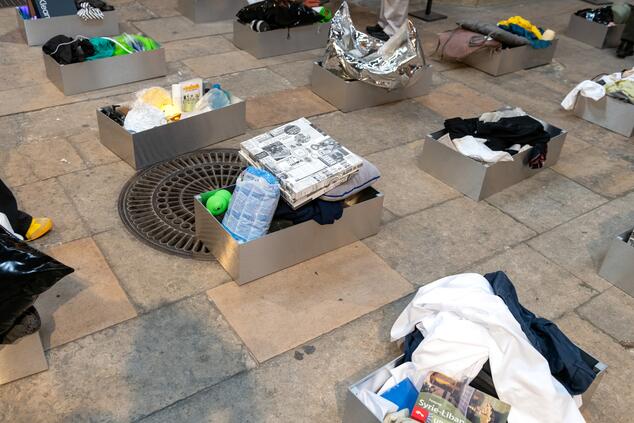
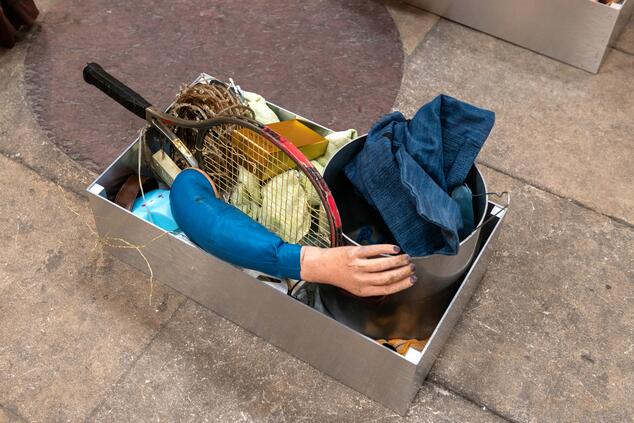
Parallel to the private market, Paris has equipped itself since 2020 with contemporary art museums and foundations capable of competing with New York or London. The opening of the Bourse de Commerce-Pinault Collection in May 2021 has left its mark. Billionaire François Pinault has invested nearly 160 million euros in the metamorphosis of this former grain exchange into an ultramodern treasure chest for his collection. Spanning 6,800 m² of galleries designed by architect Tadao Andō, the Bourse de Commerce welcomed more than 500,000 visitors in its first year already, despite health restrictions, reaching an audience almost comparable to that of national institutions. With bold programming that combines commissions in situ (such as Urs Fischer's monumental sculpted candle, slowly consumed under the dome) and international thematic exhibitions, the Bourse de Commerce has instantly established itself as a key hub of contemporary art in Paris.
Another novelty is the relocation of the Fondation Cartier pour l'art contemporain, which in 2025 has chosen to settle in the heart of the capital, at Place du Palais-Royal. Forty years after its creation, this pioneering foundation has left its iconic building on avenue Raspail for a Haussmannian palace with 150 meters of facade, entirely redesigned by Jean Nouvel. Inaugurated at the end of October 2025 in grand style during Contemporary Art Week, this new ultra-modern treasure chest offers Fondation Cartier modular exhibition spaces of unprecedented breadth, a stone's throw from the Louvre. The goal is to double the capacity and enrich the cultural offerings in the heart of Paris, confirming the momentum of private institutions.
The Fondation Cartier thus joins other corporate or collector foundations that have flourished in recent years such as the Fondation Louis Vuitton (2014) and the Fondation Galeries Lafayette (Lafayette Anticipations, 2018). This growth of contemporary institutions, alongside public museums such as the Centre Pompidou or the Palais de Tokyo, makes Paris the most sought-after destination not only for insiders but also for all those who love art and want to get to know it and follow it closely, in the place where it is made.
One story, each month, for a year

Choose your topics/ areas of interests
Five minutes of inspiration

The day of your choice