The Red Sea: a new vision of tourism
Saudi Arabia is known for its historical, cultural, and religious heritage, but in recent years it has undergone an unprecedented transformation, aiming to diversify its economy and position itself as an international tourist destination. One of the projects is the creation of The Red Sea, a destination on the Red Sea that promises to redefine the concept of luxury tourism with an environmental focus.
How was The Red Sea born?
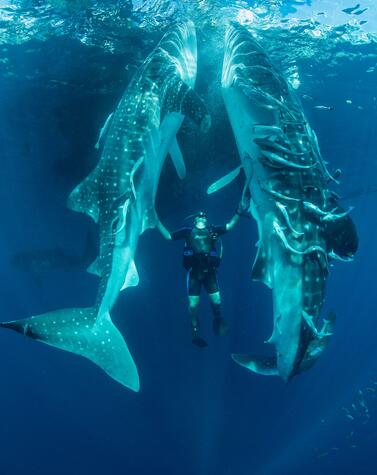
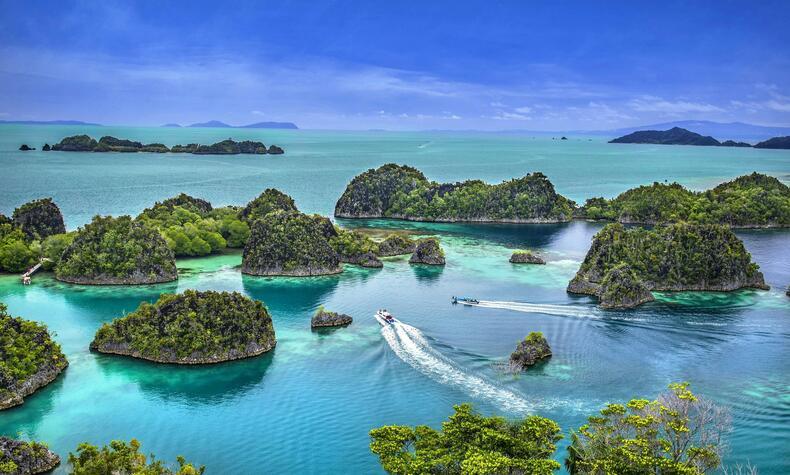
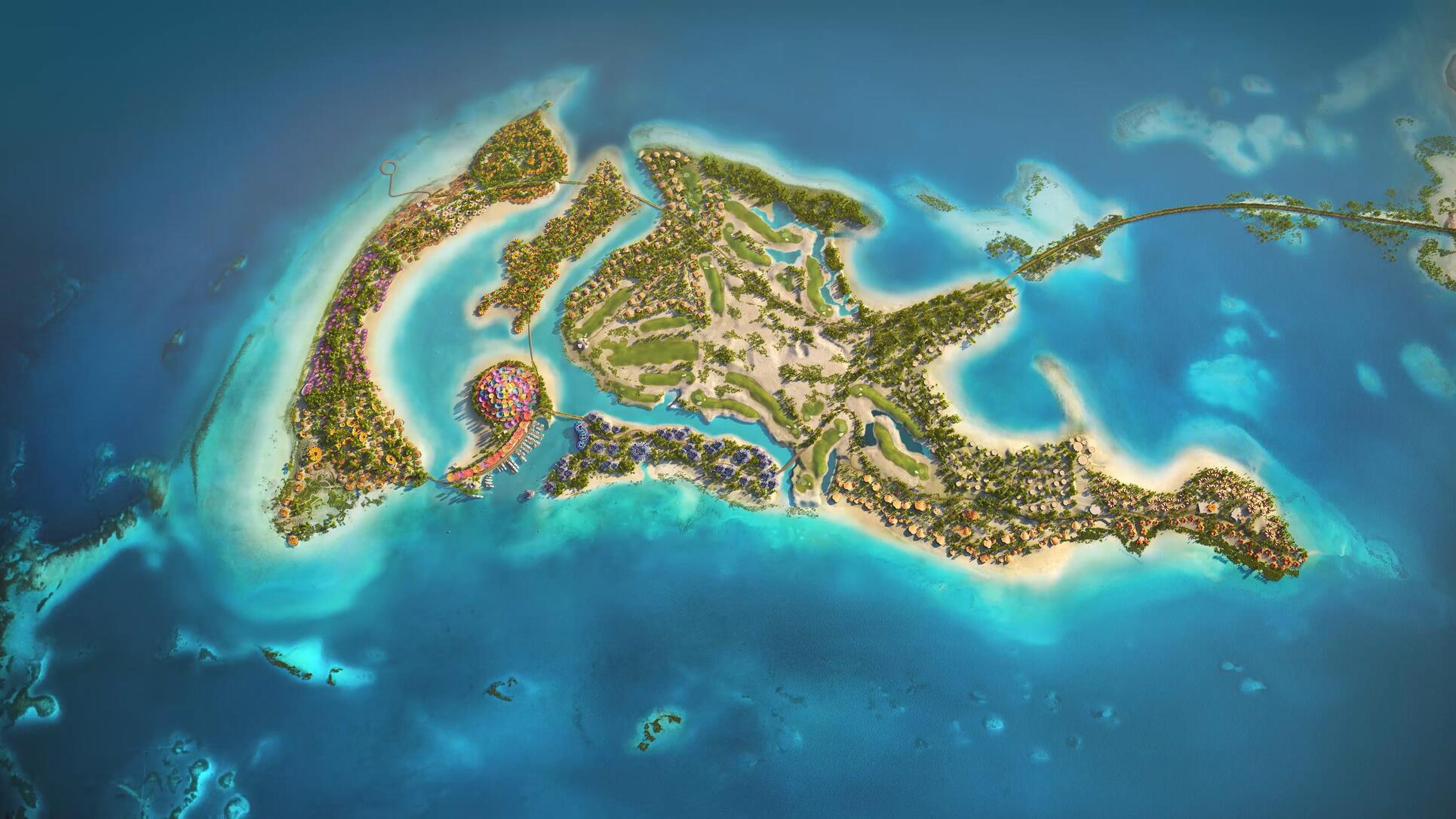
It all started in 2017 when the Public Investment Fund (PIF) of Saudi Arabia launched a tourism development program to transform an area of over 28,000 sq. km on the western coast into one of the most luxurious and sustainable destinations in the world. The project involves 200 km of coastline on the Red Sea, deserts, canyons, volcanoes, and 90 islands in one of the most pristine marine areas in the world, with 175 species of coral reefs, 195 species of fish, and other endangered creatures such as the sea falcon and the loggerhead turtle.
By the end of 2024, the first phase of the project can be considered complete, including the development of 22 islands and various mainland areas, the construction of luxury resorts, golf courses, marinas, and top-level infrastructure. However, it will be necessary to wait until 2030 for the completion of the project: at that point, the destination will have 8,000 rooms and 1,000 residences and will be able to accommodate up to one million visitors per year, the maximum number of arrivals specifically to limit the environmental impact.
Sustainable tourism at the center
What sets The Red Sea apart from other megatourism projects is the commitment to environmental sustainability, which means not only limiting the environmental impact but also improving some habitats, such as mangrove forests and corals. Of the over 90 islands that make up the site, nine have been designated as conservation areas. The ultimate goal of this approach will be 100% energy sustainability, with 760,000 photovoltaic panels powering the destination, supported by the world's largest off-grid battery storage system. The aim is to be completely carbon neutral, with the aspiration to soon become carbon negative as well.
An Unprecedented Luxury
The Red Sea represents a new frontier in luxury tourism, with its designer resorts seamlessly integrating into the landscape and respecting the environment. But it is also one of the most ambitious and fascinating projects in the field of regenerative tourism on a global level.
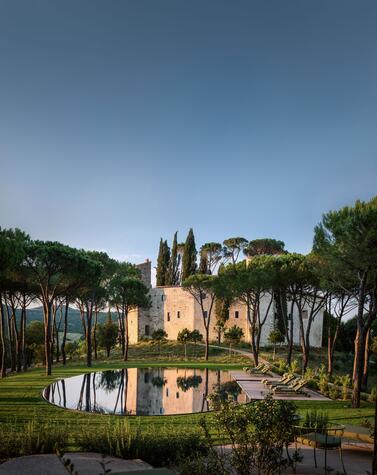
In 2023, the first two luxury five-star resorts opened, the Six Senses Southern Dunes, The Red Sea designed by the renowned British firm Foster + Partners and The St. Regis Red Sea Resort by Kengo Kuma & Associates. In May 2024, Nujuma was inaugurated, the first Ritz-Carlton Reserve property in Saudi Arabia. This latest resort by Foster + Partners features natural materials in subtle tones inspired by the sea and sand.
Stargazing Adventures
But that's not all: another 13 hotels are getting ready to open between the end of 2024 and 2025, along with golf courses, gourmet restaurants, and activity programs ranging from snorkeling among coral reefs to diving in spectacular seabeds, desert excursions, visits to ancient archaeological sites, and stargazing. The ambition is to become the first Dark-Sky Reserve in the Middle East, where, thanks to low light pollution, visitors can experience astrophotography, listen to stories around the fire, search for the Milky Way, a rare and increasingly exciting spectacle. The reduction of night sky pollution not only preserves the integrity of the night landscape but also protects animal species that rely on light and dark cycles.
As a demonstration of their commitment to environmental protection, The Red Sea was also the first in the Middle East to receive LEED Platinum certification, in line with global standards for green building.
Coral Reef Conservation
Climate change has already caused the deterioration of 50% of the world's coral reefs, with a 14% reduction just in the last decade. This is why a scientific approach is being applied in The Red Sea, involving expert scholars in nature preservation committed to protecting mangroves, islands, and coral reefs.
Thanks to the use of AI robotics, scientists are monitoring over 300 coral sites, being able to analyze them with a speed and efficiency 92% higher than previous systems. The CoralNet program creates a 3D scale model from thousands of overlapping photos to track the surface and growth of coral reefs. These 3D models are then transmitted to two different software for analyzing and processing in-depth data: a much more accurate and faster process compared to traditional methods, which could take up to 10 years to produce results. The use of this technology has also led to the discovery of new coral specimens capable of surviving higher sea temperatures, paving the way for their protection and restoration in other high coral concentration areas worldwide.
Today's and Future Milestones
The Red Sea International Airport is operational, and the first international flight has already been inaugurated, operated by Flydubai, connecting the location to Dubai's international hub, effectively opening up to global tourism.
Once The Red Sea is completed, it will have a significant impact on the global tourism landscape. Saudi Arabia aims to become one of the most attractive tourist destinations due to the high level of its facilities, natural beauty, and the authentic and sustainable experiences it offers.