Vietnam, slowly
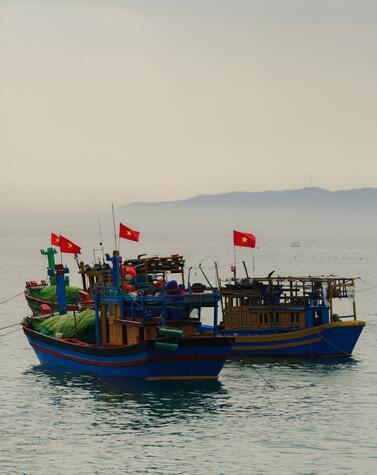
Set out with us for an East unknown to travelers, where life is marked by atavistic rural rhythms and the landscape of rice paddies and lagoons inspires quiet and delicacy.
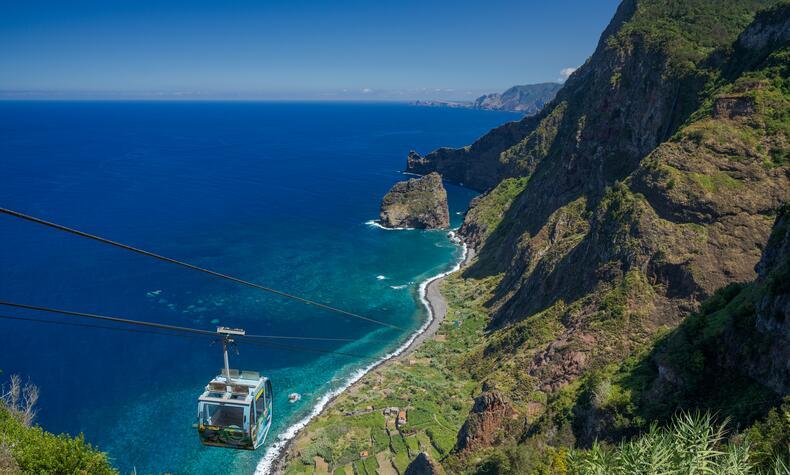
When you think of an island, Madeira probably isn't the first name that comes to mind. On this island of volcanic origin, lush green vegetation, steep cliffs, a dramatic mountainous profile, ancient laurel forests, and sprawling gardens overlooking the ocean come together in a landscape collage where nature is the true star, with Madeira revealing a rich collage of landscapes.
Although the Romans may have first set foot on Madeira, the island was officially colonized by the Portuguese in the 15th century, who considered it a key strategic outpost in the Atlantic. Sugarcane cultivation drove the island's economy until the 17th century, when wine took over as the main export, a reign that lasted until tourism began to take hold in the late 19th century.


The lush laurisilva forest, made up mainly of laurels, willows, beeches, and ferns, has been a protected UNESCO World Heritage Site since 1999.
Concentrated mainly in the island's north at altitudes between 300 and 1,400 meters, it now covers about 20% of Madeira.

Madeira is best discovered on foot and by sea. Some 2,200 kilometers of irrigation canals called levadas carry water from the island's north to its south, forming a network of hiking trails suitable for every level, including a route to the best sunrise views from Pico do Arieiro, 1,818 meters above sea level.
From the water, a boat trip to the Desertas Islands is a must. These three rocky islets are home to little more than monk seals and seabirds, and their crystal-clear waters make for an unforgettable swim, with dolphins and whales often spotted on the way back.


The "Carreiros do Monte" is a tradition that began in the 18th century as a way to carry goods from the Monte Sanctuary down to the city of Funchal in wooden and wicker baskets. Starting in 1850, with the rise of tourism on the island, these carreiros began carrying passengers, too.
Visitors reach the sanctuary by funicular, then descend by wicker basket along a two-kilometer route where speeds can reach 40 kilometers per hour on the winding roads.
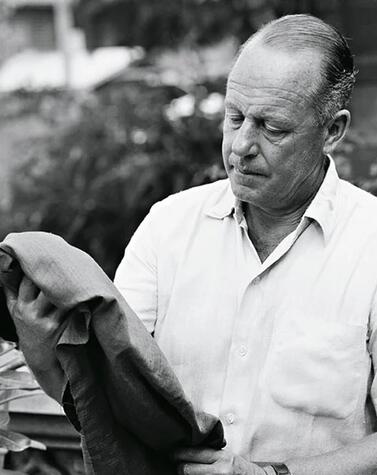
If one hotel on the island can be called emblematic, it's Reid's Palace in Funchal. This luxury hotel was commissioned by William Reid, a Scotsman who left the cold cliffs of Scotland behind in the late 19th century and settled in Madeira, where he built a thriving business in the wine trade. As the great transatlantic ocean liners began carrying British travelers toward Africa, Reid saw an opportunity: a grand hotel where they could break up the journey with a few days' stay.
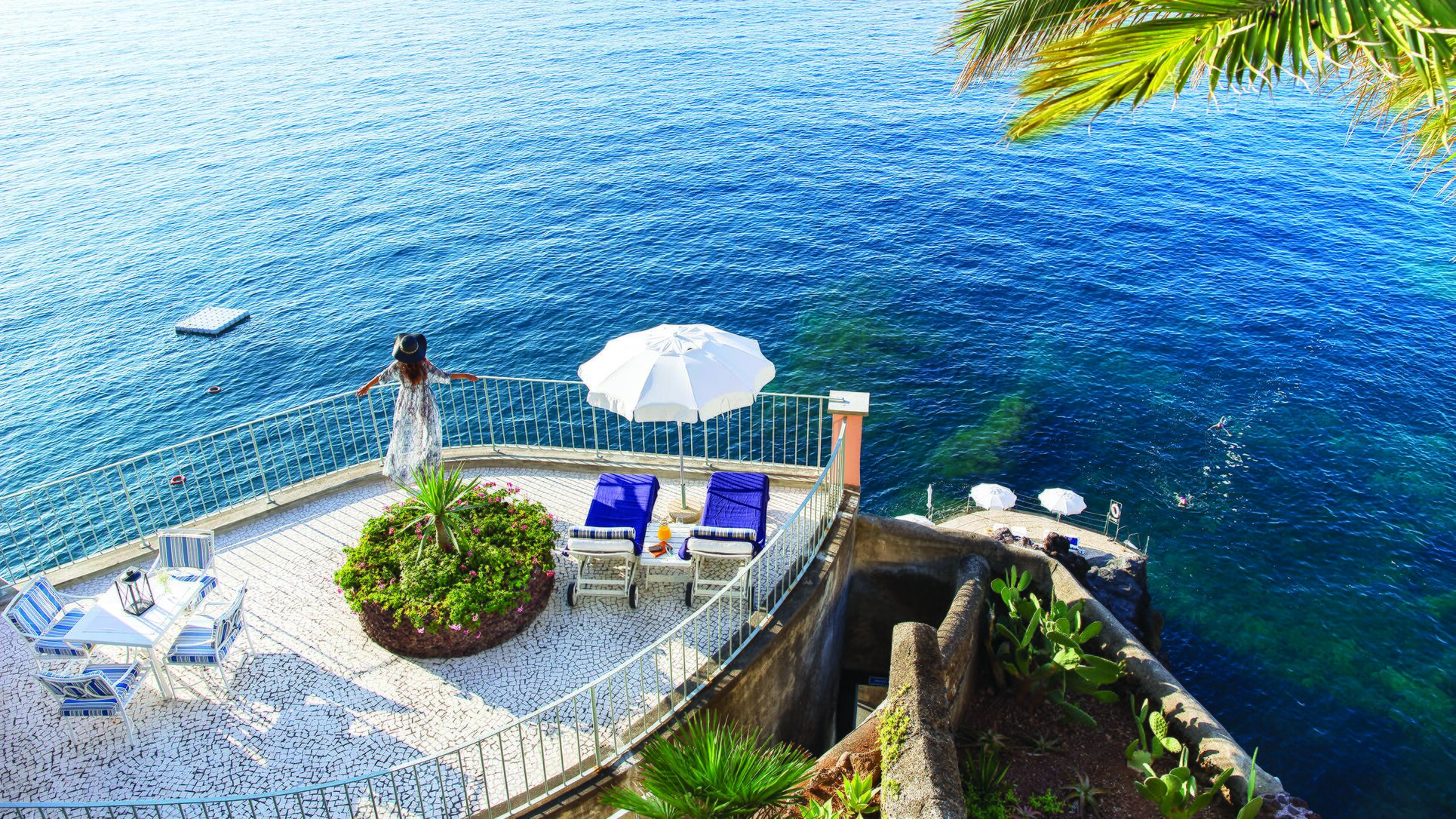
Reid didn't live to see his hotel completed, but his sons welcomed the first guests in 1891. Perched atop a rocky promontory with sweeping views over the Atlantic Ocean and the island, the island was accessible only by sea until 1964, when Madeira's airport was built. Travelers arriving to stay at Reid's Palace were carried in plush hammocks from the harbor up to the clifftop where the hotel stands.
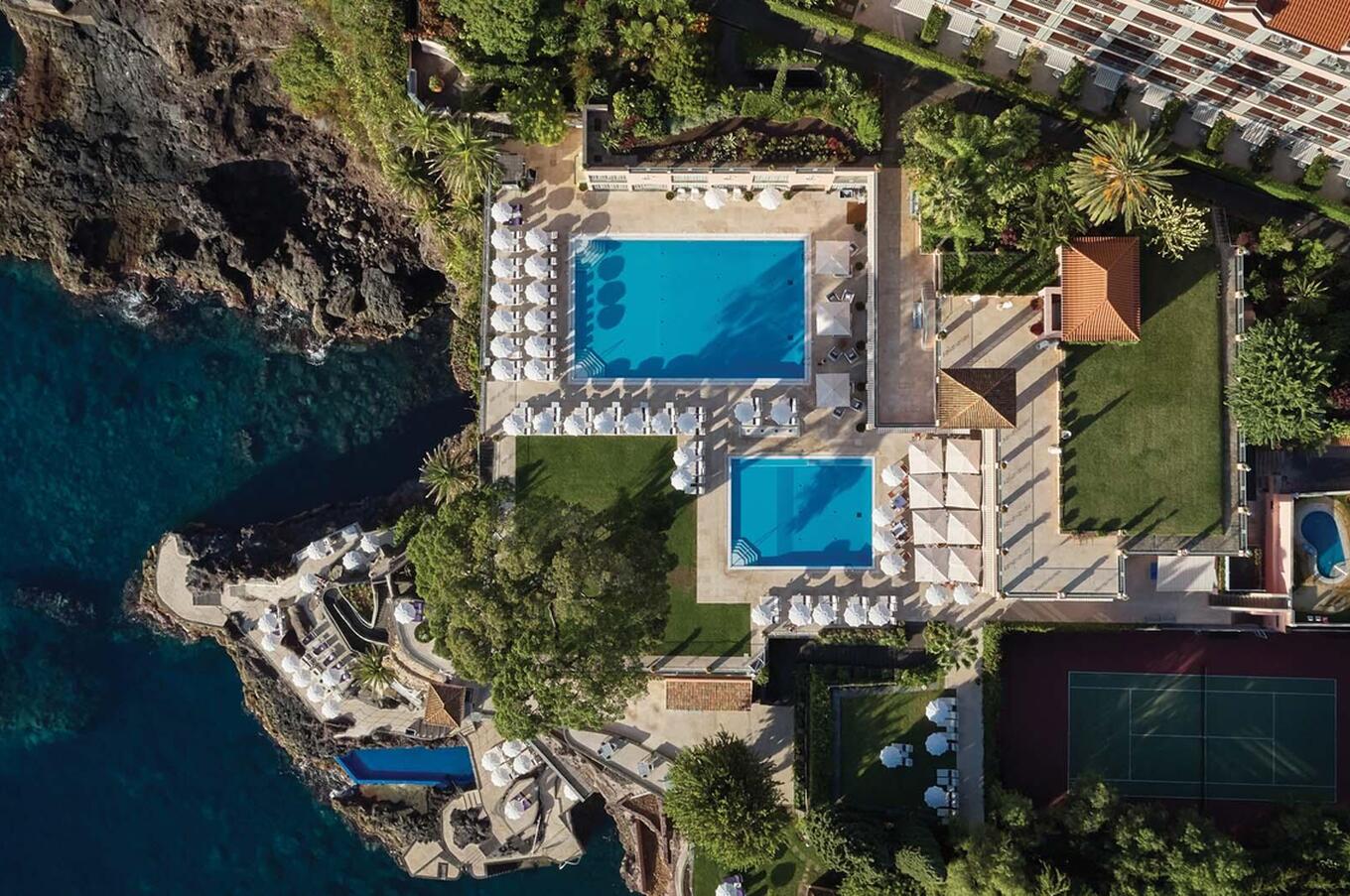
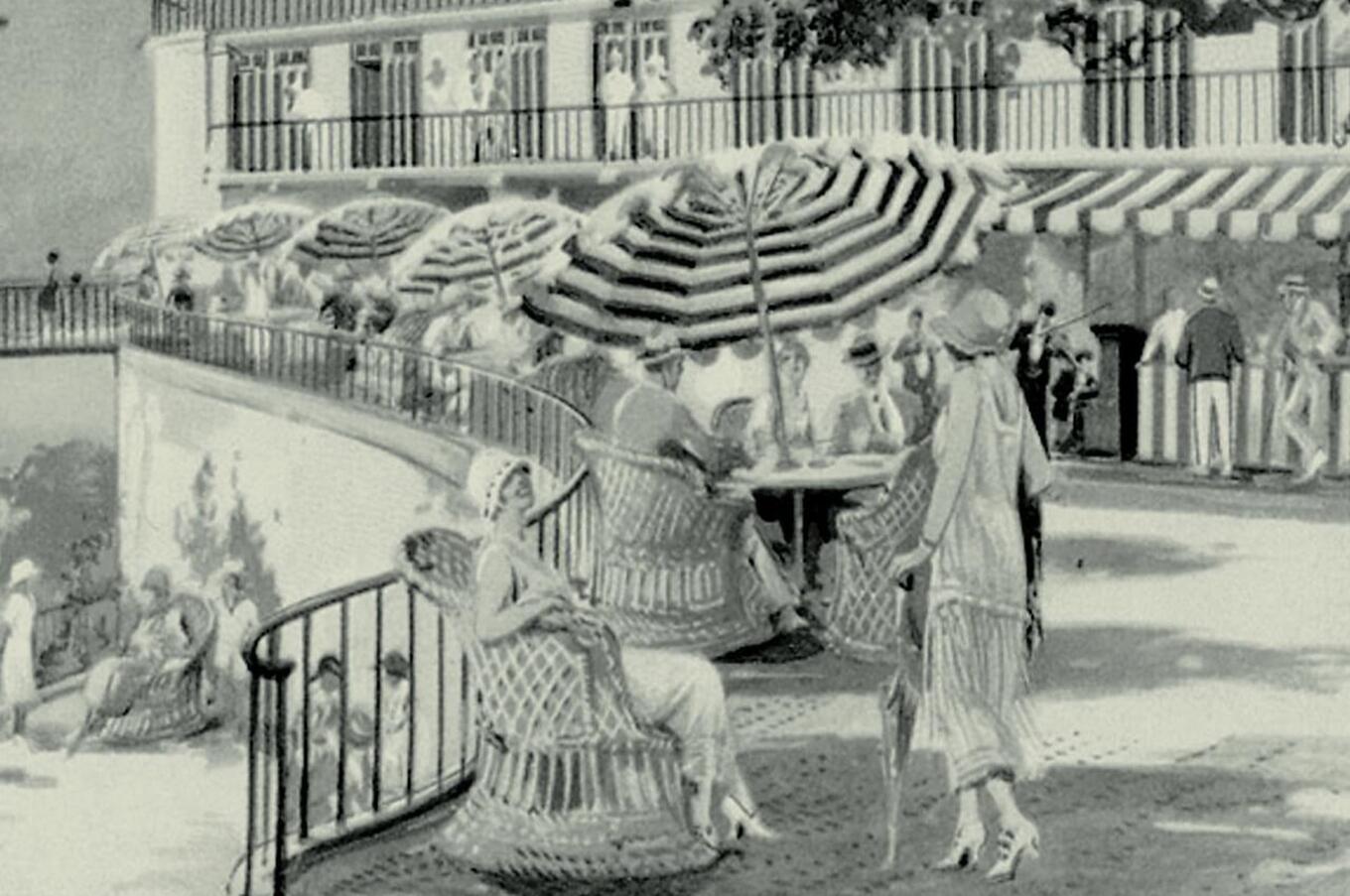
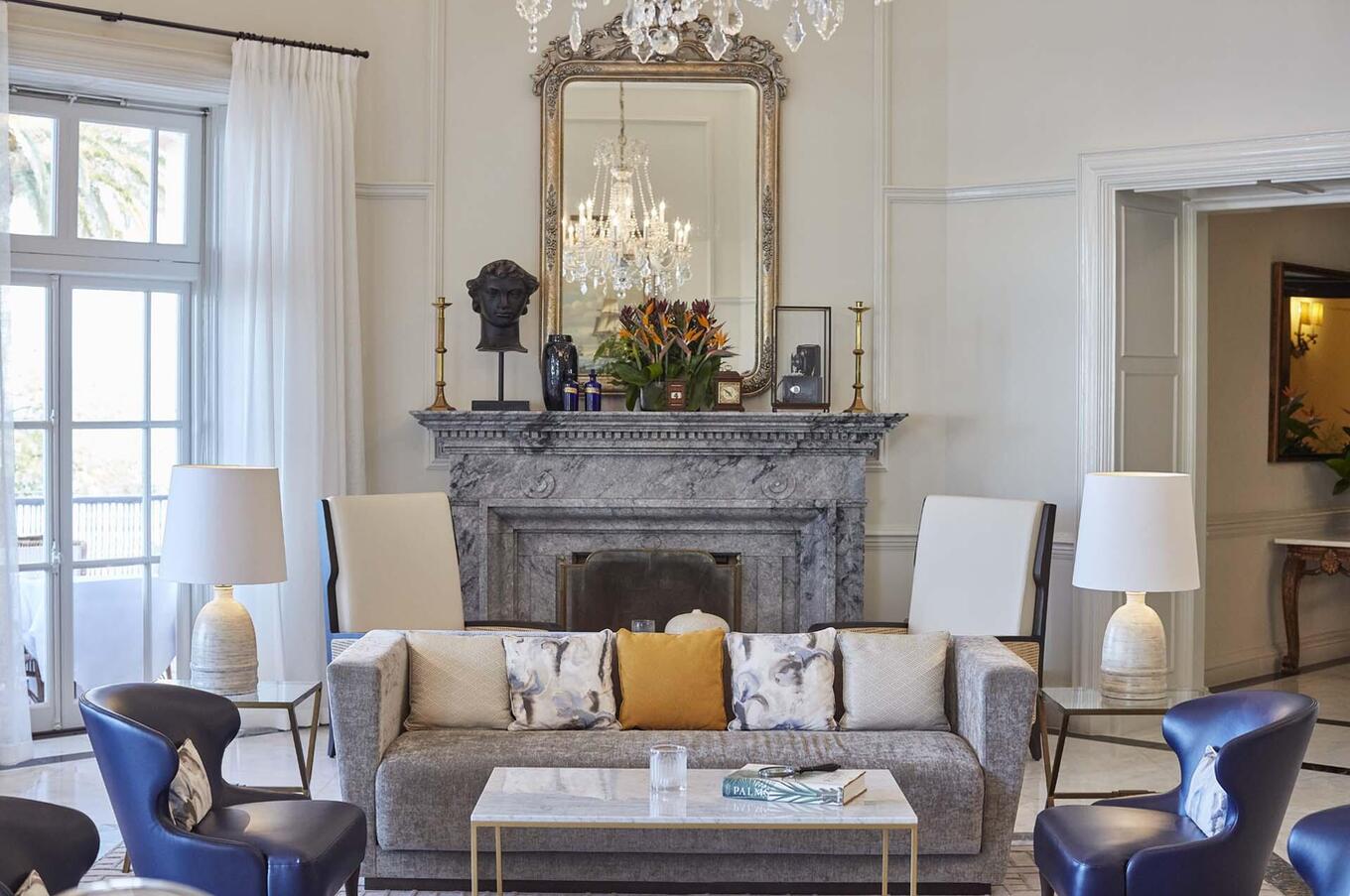
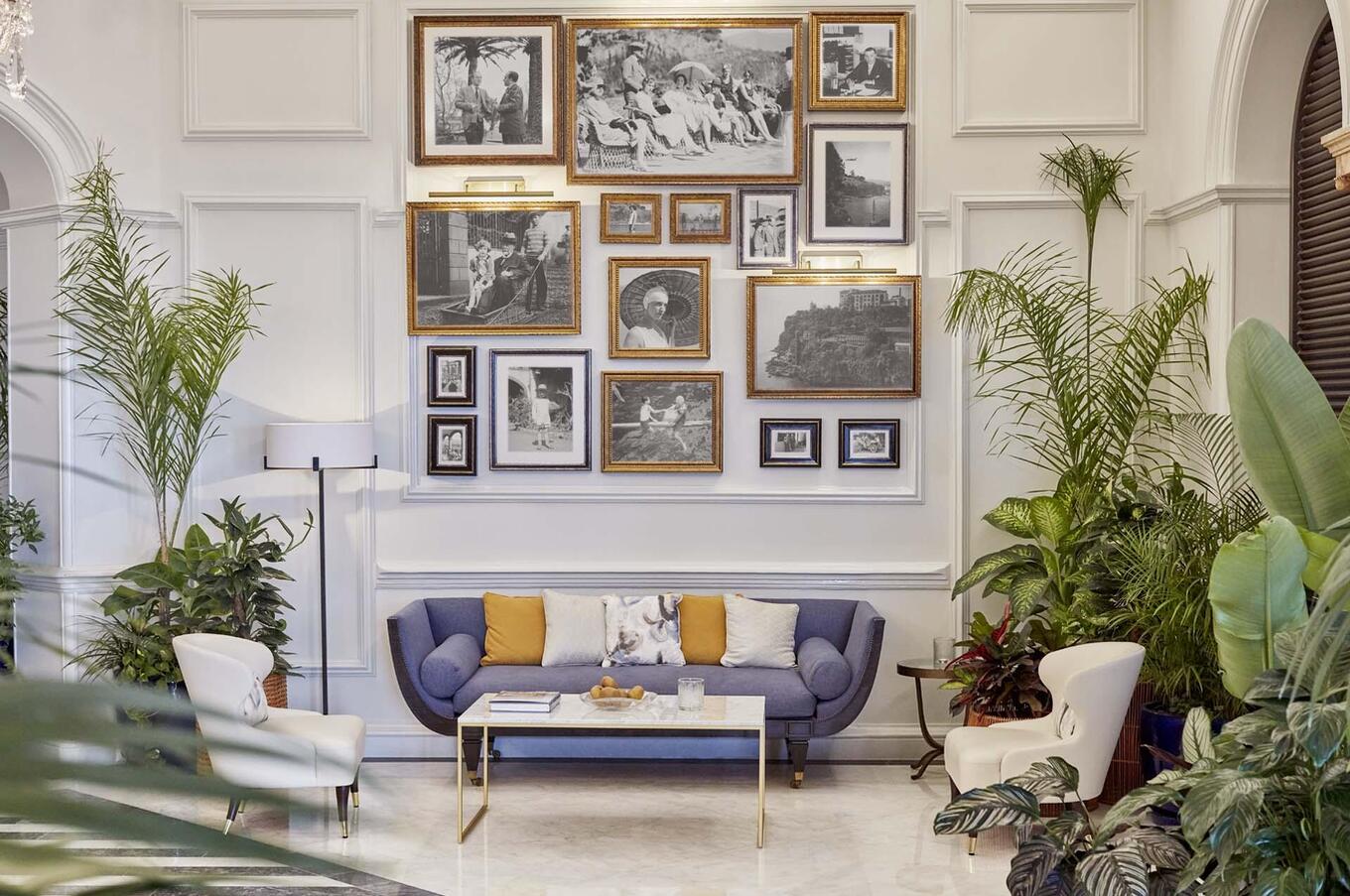
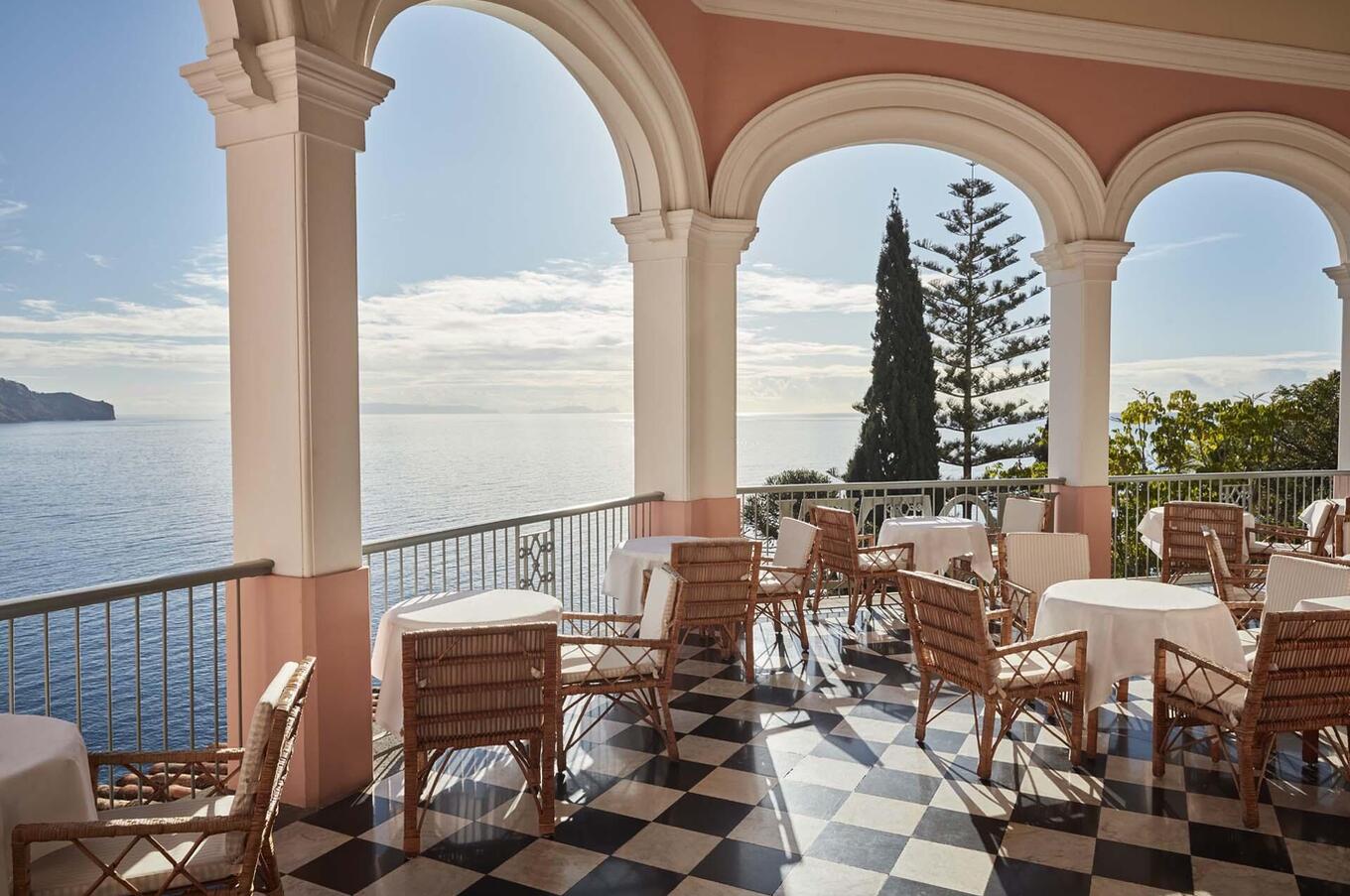
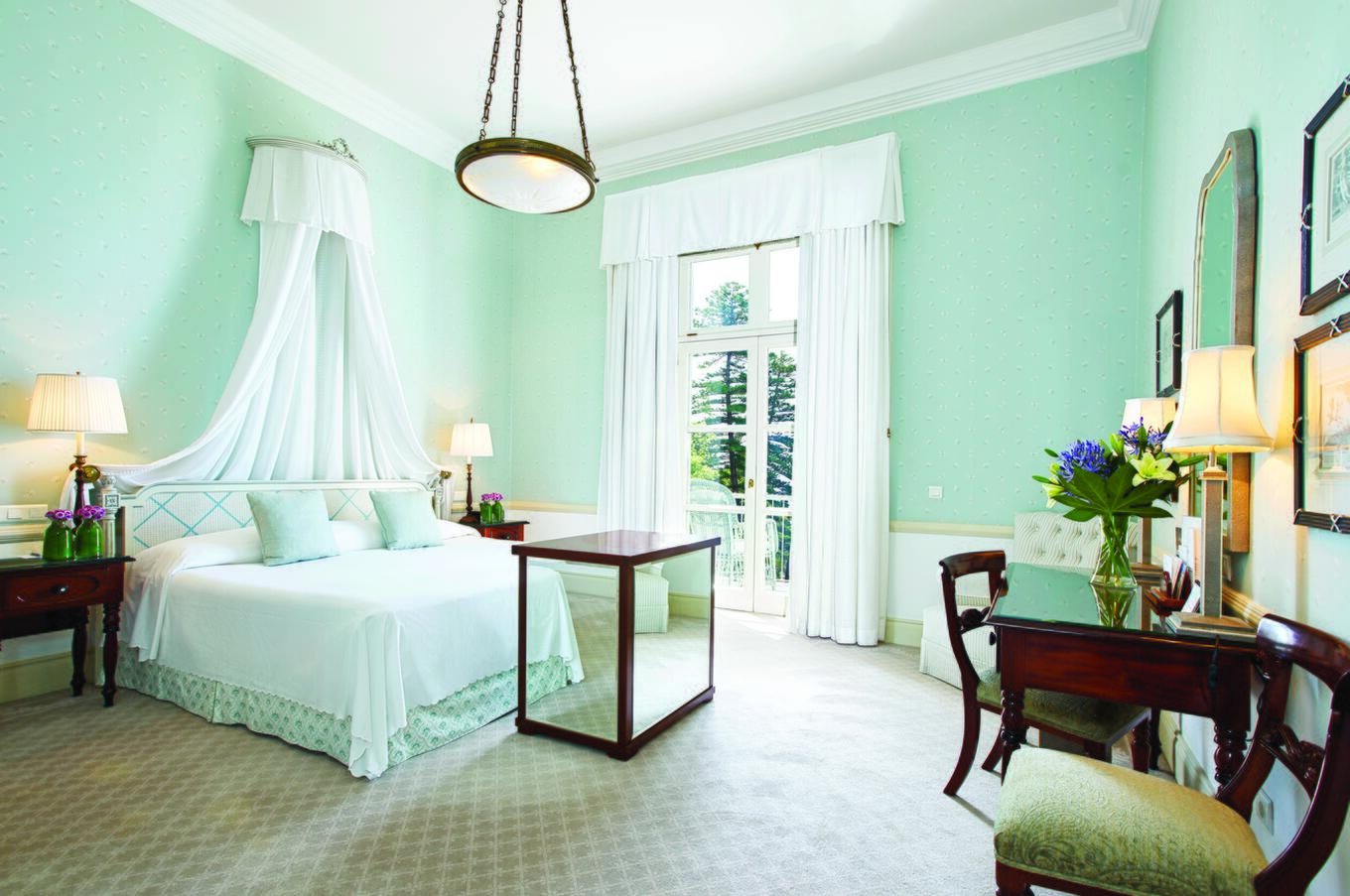
Staying at Reid's Palace is like stepping back into the golden age of grand hotels, where every detail counts. With its classic British-style interiors awash in white, gray, and blue, Reid's Palace is the ideal starting point for experiencing the best of Madeira in style.
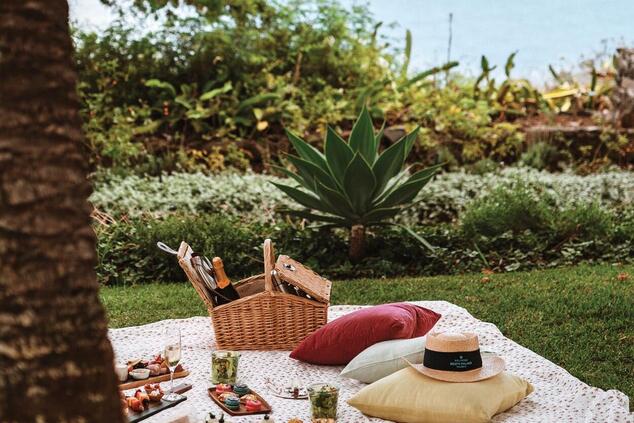
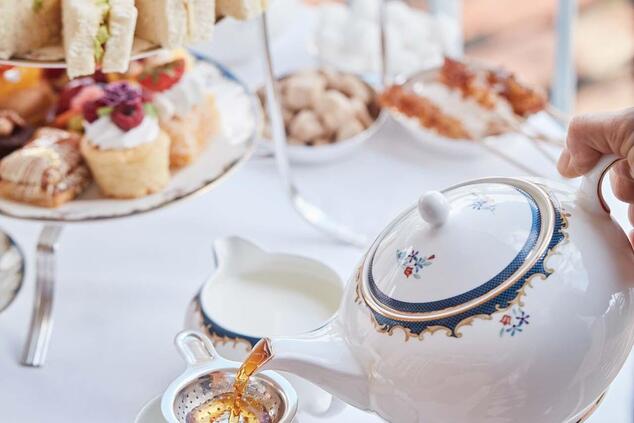
From a picnic in the hotel's sprawling botanical garden, home to tree species from Brazil, Australia, China, Korea, and Japan, to a proper English-style afternoon tea with sweeping views of the Atlantic, there's no shortage of ways to indulge.
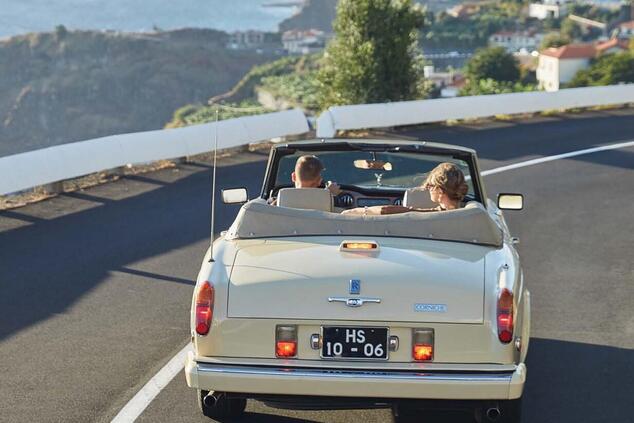
And before dinner, why not take a classic car out to Ponta do Sol, one of the island's best spots to watch the sunset?
In the mid-16th century, William Shakespeare referenced the renown of Madeira Malvasia in his play "Richard III," writing that the Duke of Clarence chose to drown in a barrel of the wine.
Grapevines in Madeira grow in small plots of land known as "poios," supported by earthen retaining walls called "terraços" built into the mountainsides, many of them difficult to reach.
The island's unique soil and climate, combined with its production methods and grape varieties, come together to create a wine unlike any other in the world.
More than thirty varieties of Madeira wine exist, with Sercial, Boal, Verdelho, and Malvasia counted among the noblest.

Madeira is a destination worth visiting any time of year, thanks to its mild, oceanic climate. Every season brings its own charm: at Christmas and New Year's Eve, for instance, the city of Funchal glows with hundreds of colored lights, and its New Year's Eve fireworks rank among the largest pyrotechnic displays in the world.
The tradition dates back to the eighteenth century, when bonfires lit the city to celebrate the feast of San Silvestre; later, English residents introduced fireworks to ring in the new year.
One story, each month, for a year

Choose your topics/ areas of interests
Five minutes of inspiration

The day of your choice