China: The Path of Tea and Horses
  • 9 MIN
  • Captivating

China: The Path of Tea and Horses

Bernardo Fuertes

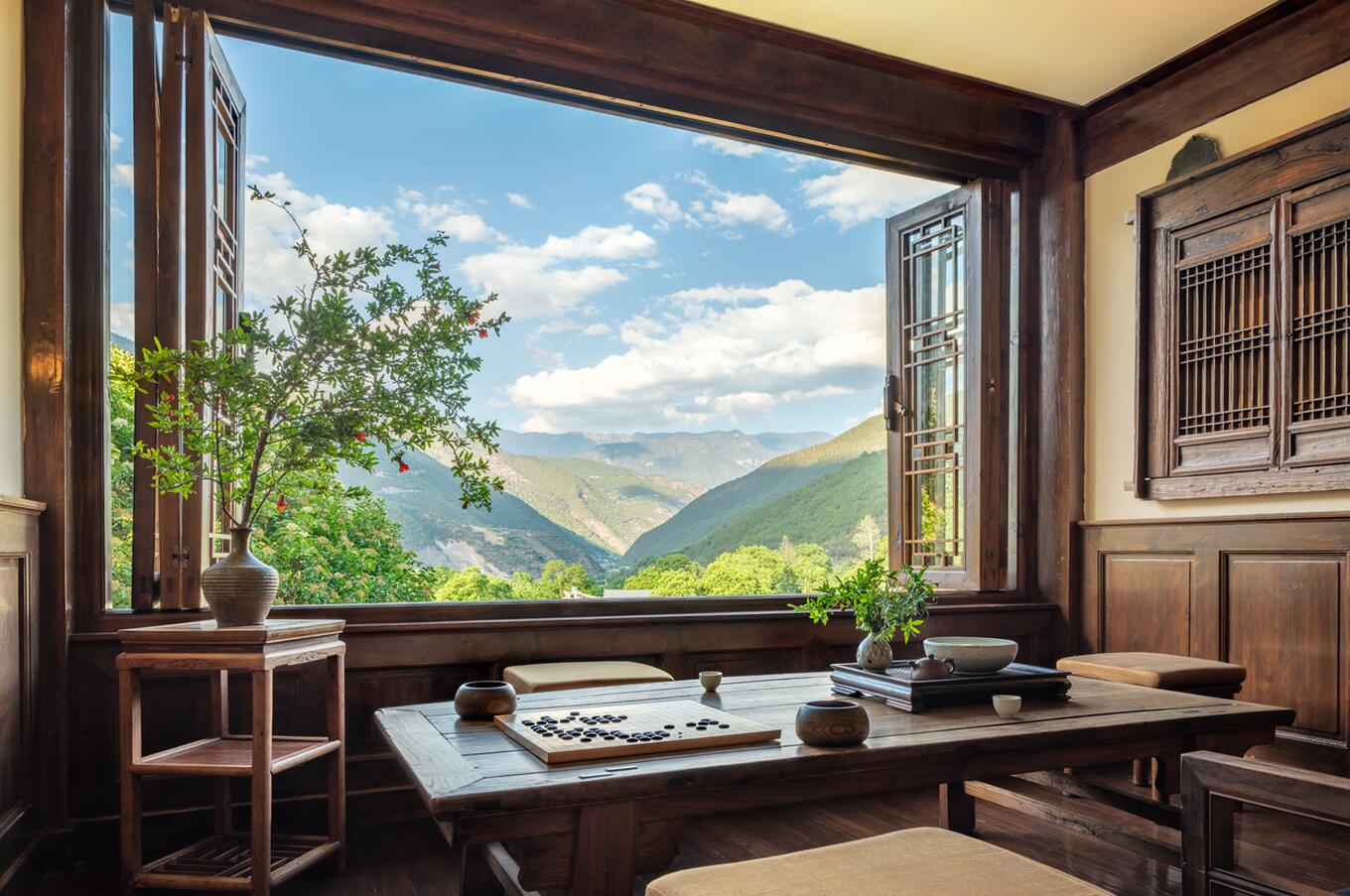
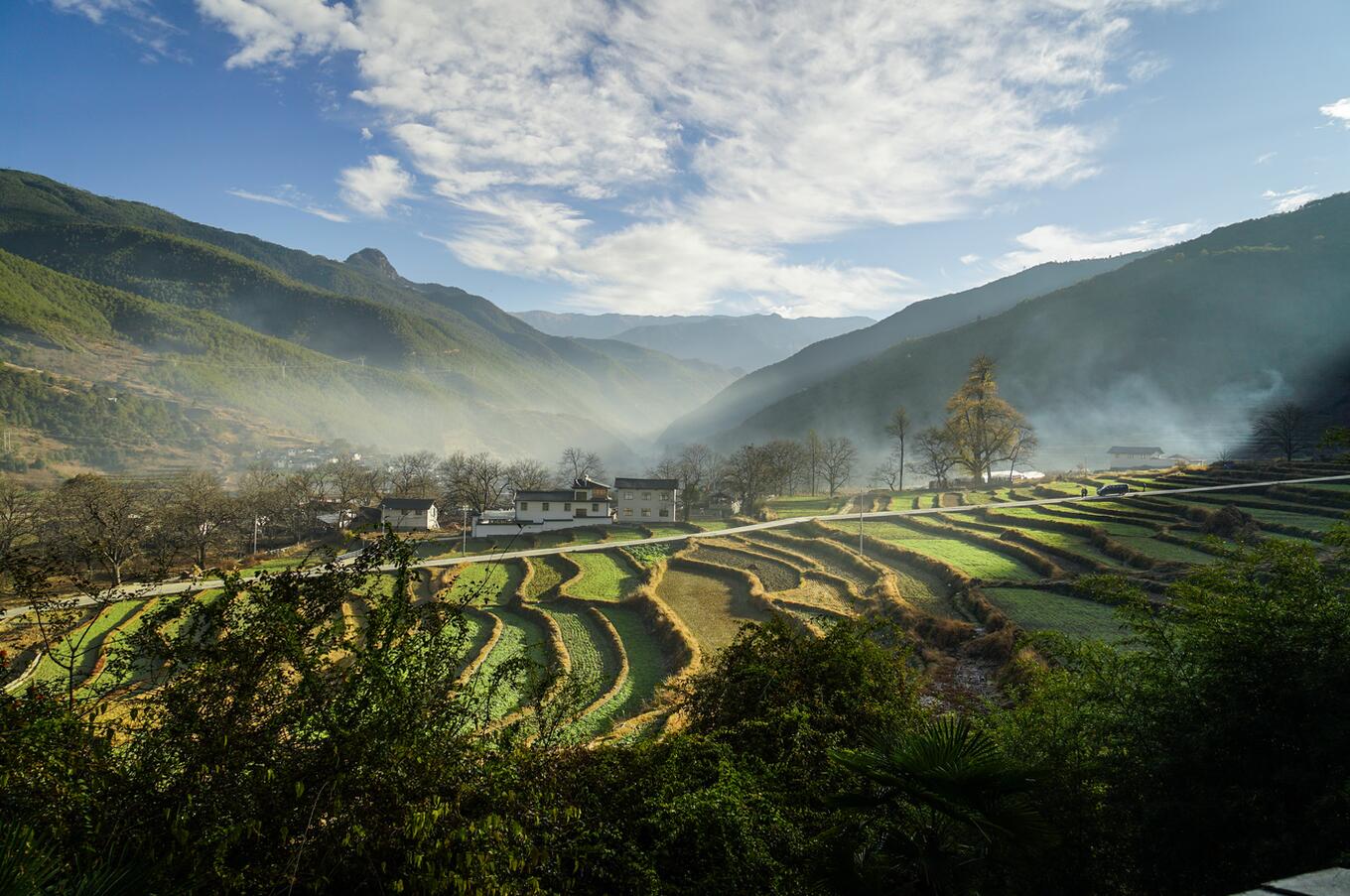
In Yunnan, in southwestern China, the humidity of the monsoon mingles with the cold breath of the mountains. Some of the oldest tea trees on the planet grow there — specimens more than a thousand years old. Legend credits Emperor Shennong with the discovery of tea nearly five millennia ago, when a few leaves happened to fall into his cauldron of boiling water. That mythical image lives on in the tea villages, where steam drifts into the morning mist.

Over time, tea became more than just a drink — it became currency. In the form of pressed bricks, it circulated as payment for taxes and military wages during the Tang and Ming dynasties. Along the route, a single brick could fetch the price of a horse. In exchange, the caravans returned with horses — essential for the empire’s wars. This is how the Tea and Horse Road was born — a route stretching over 4,000 kilometers, linking Yunnan with the Tibetan Plateau, Mongolia, and even the border with India.

That historic pulse still echoes in the Tiger Leaping Gorge, where legend has it that a tiger leaped across the Jinsha River in a single bound. In reality, it was caravans that crossed it for centuries, picking their way through with loaded mules, navigating sheer cliffs and snow-capped peaks.

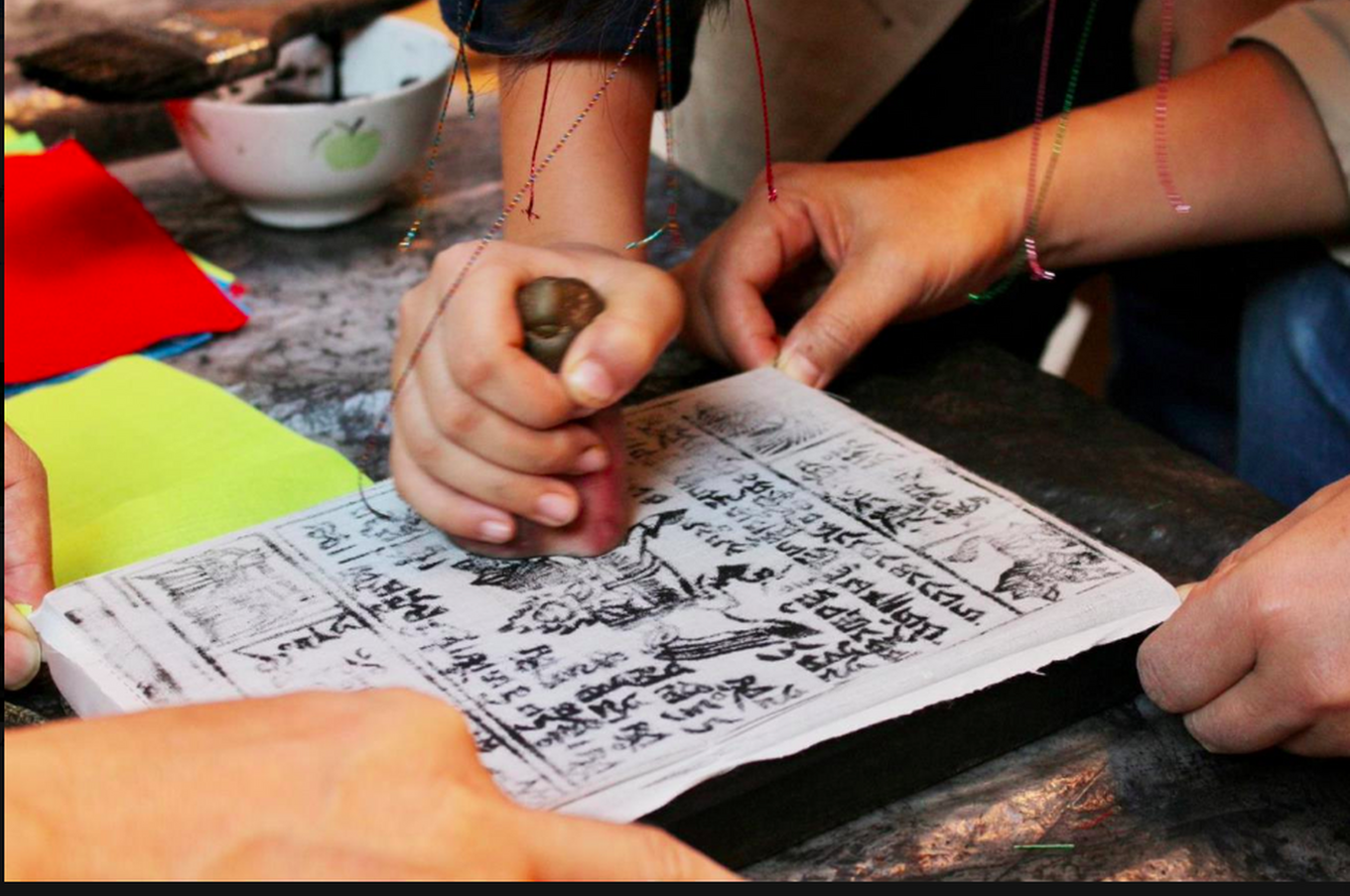
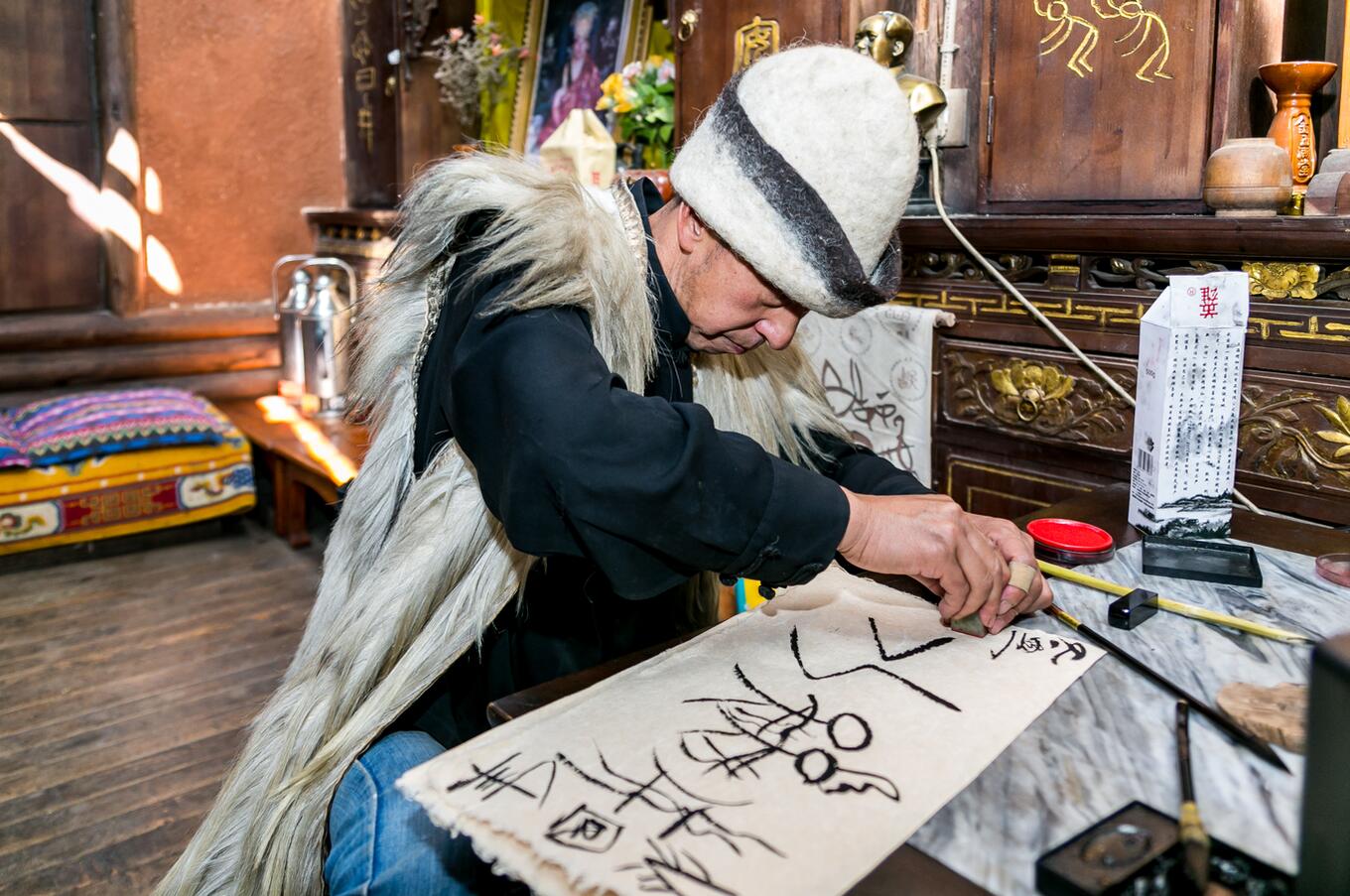
Yunnan is also a cultural mosaic.In Baisha, the ancestral home of the Naxi people, 15th-century frescoes still stand, showing Buddhas, Taoist deities, and Tibetan protectors side by side. This layering of traditions is the clearest sign that no rigid boundaries existed here — only a continuous blending of worlds.

From these mountains also comes pu’er tea — fermented for months or even decades, and now prized as a precious commodity. In the markets of Menghai and Xishuangbanna, a single aged pu’er cake can command prices that rival the most sought-after Bordeaux.

China-Tea-Route-Yunnan-Tibet
Shangri-La and Meili: Mountains That Pray with the Wind

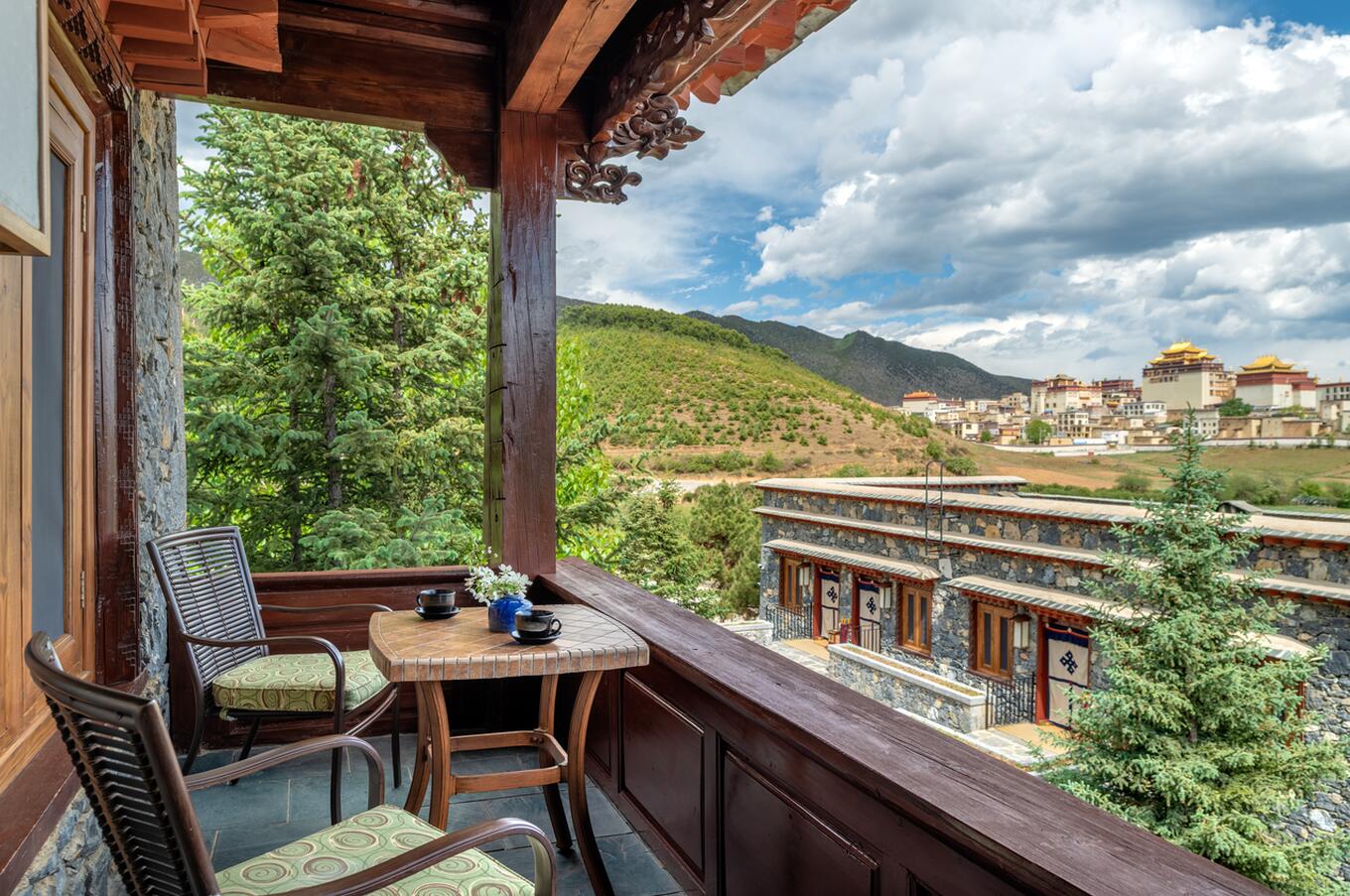
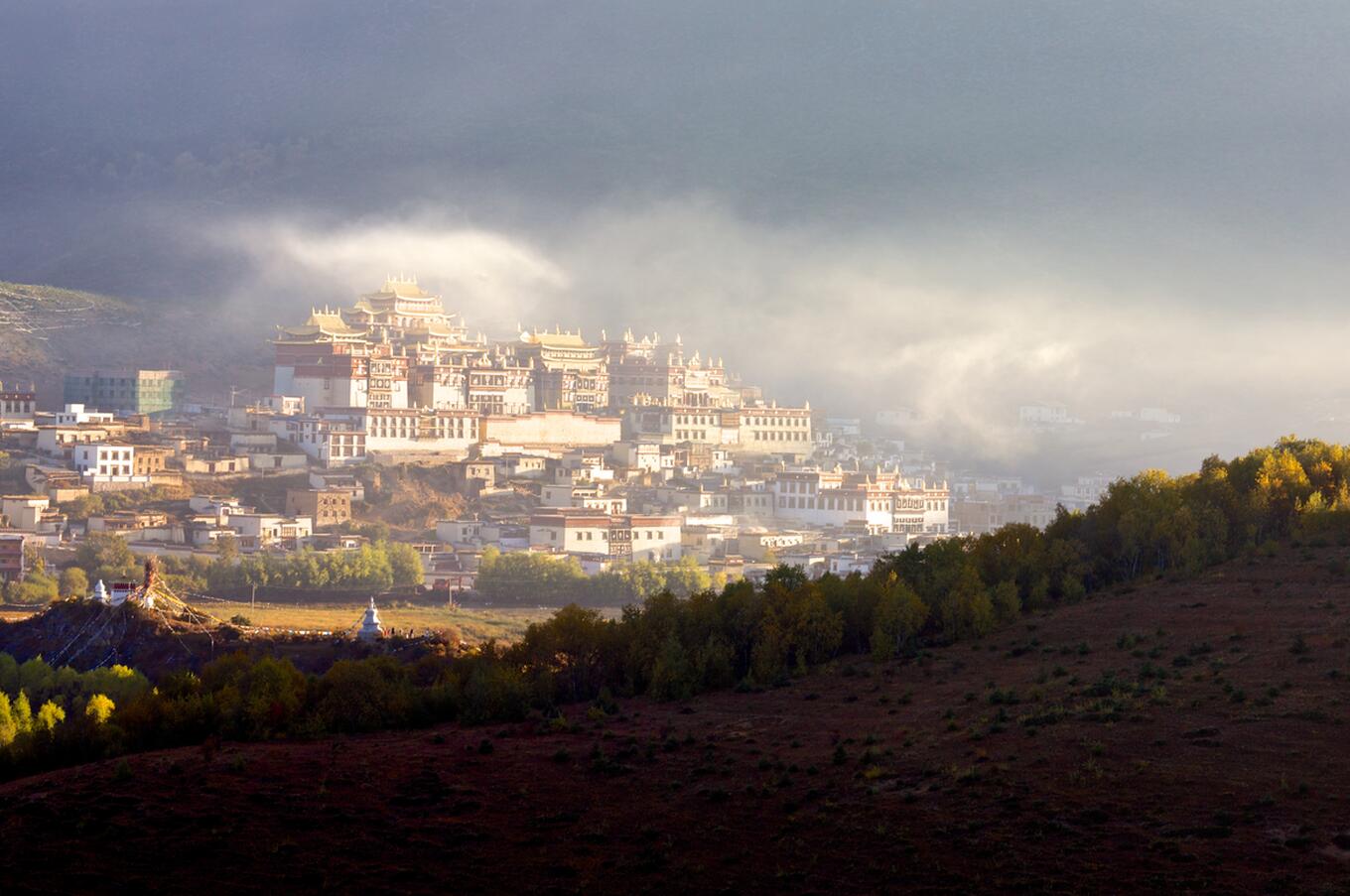
The road climbs toward Shangri-La — a name that sounds like something out of a novel, because it is. The name comes from James Hilton’s novel Lost Horizon, published in 1933, which described a utopia hidden in Tibet. Decades later, the former Zhongdian officially adopted that name, enshrining the myth on maps. But beyond fiction, Shangri-La is a real place where monasteries and villages thrive under a shared spiritual rhythm.

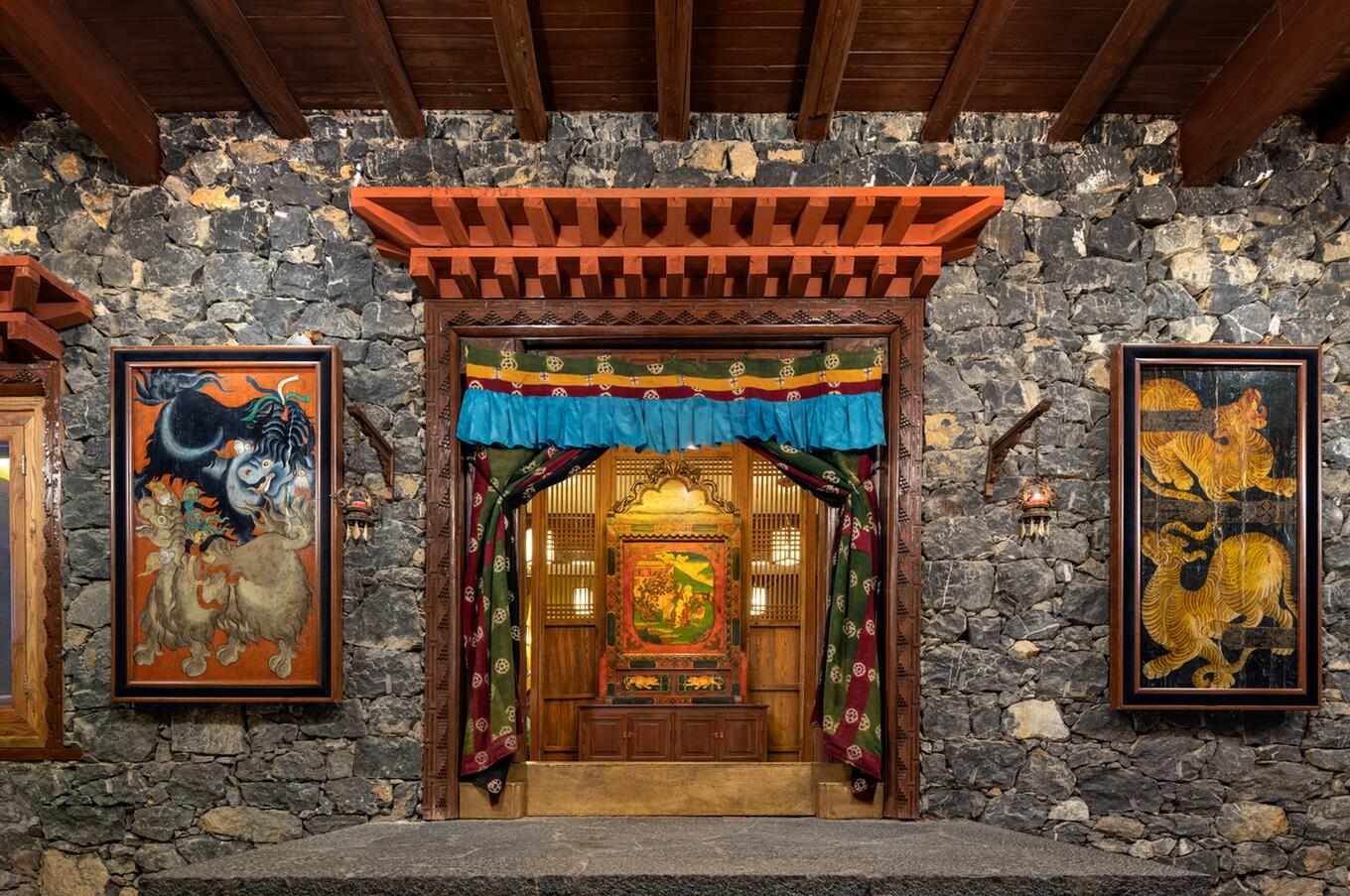
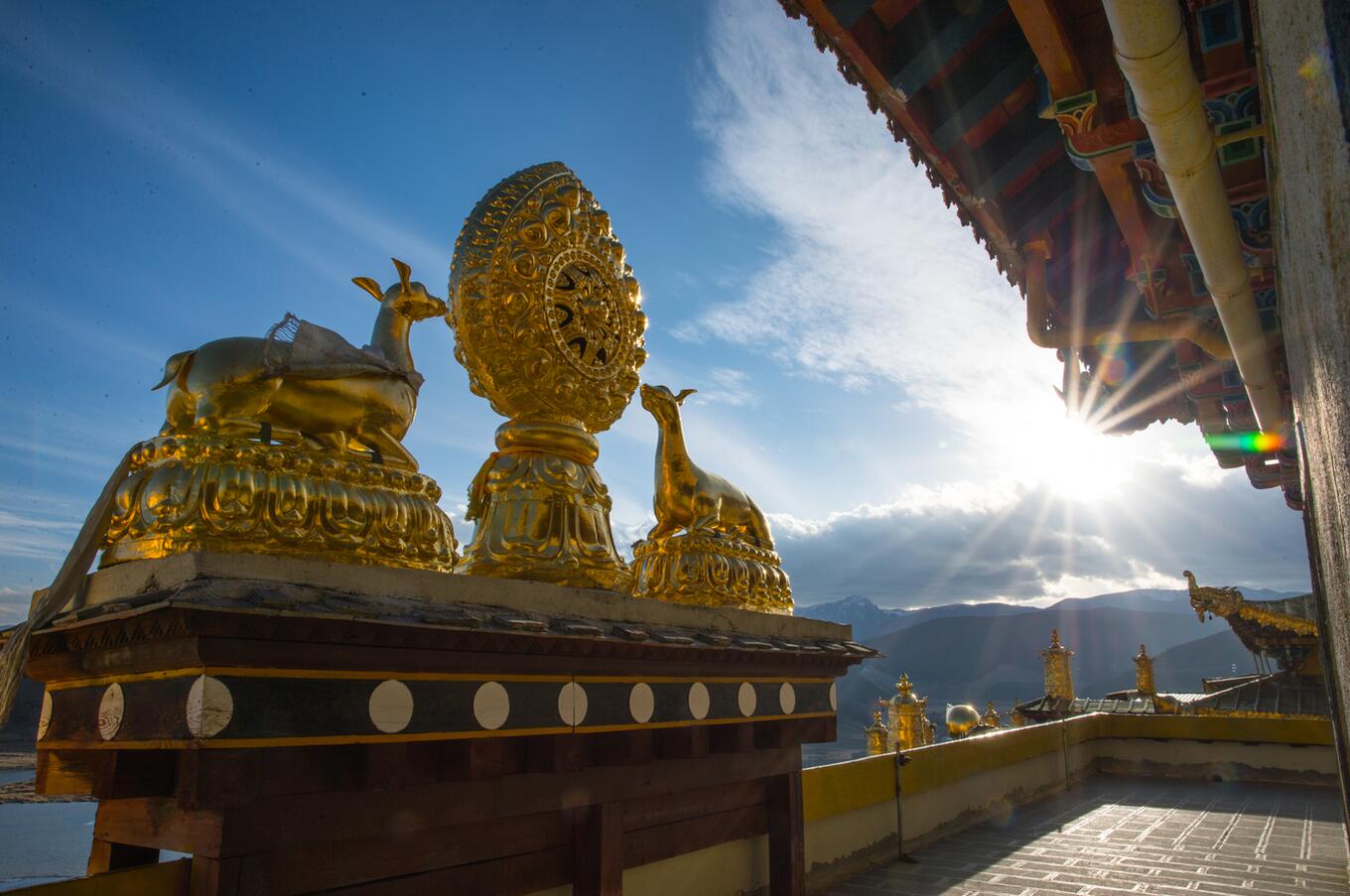
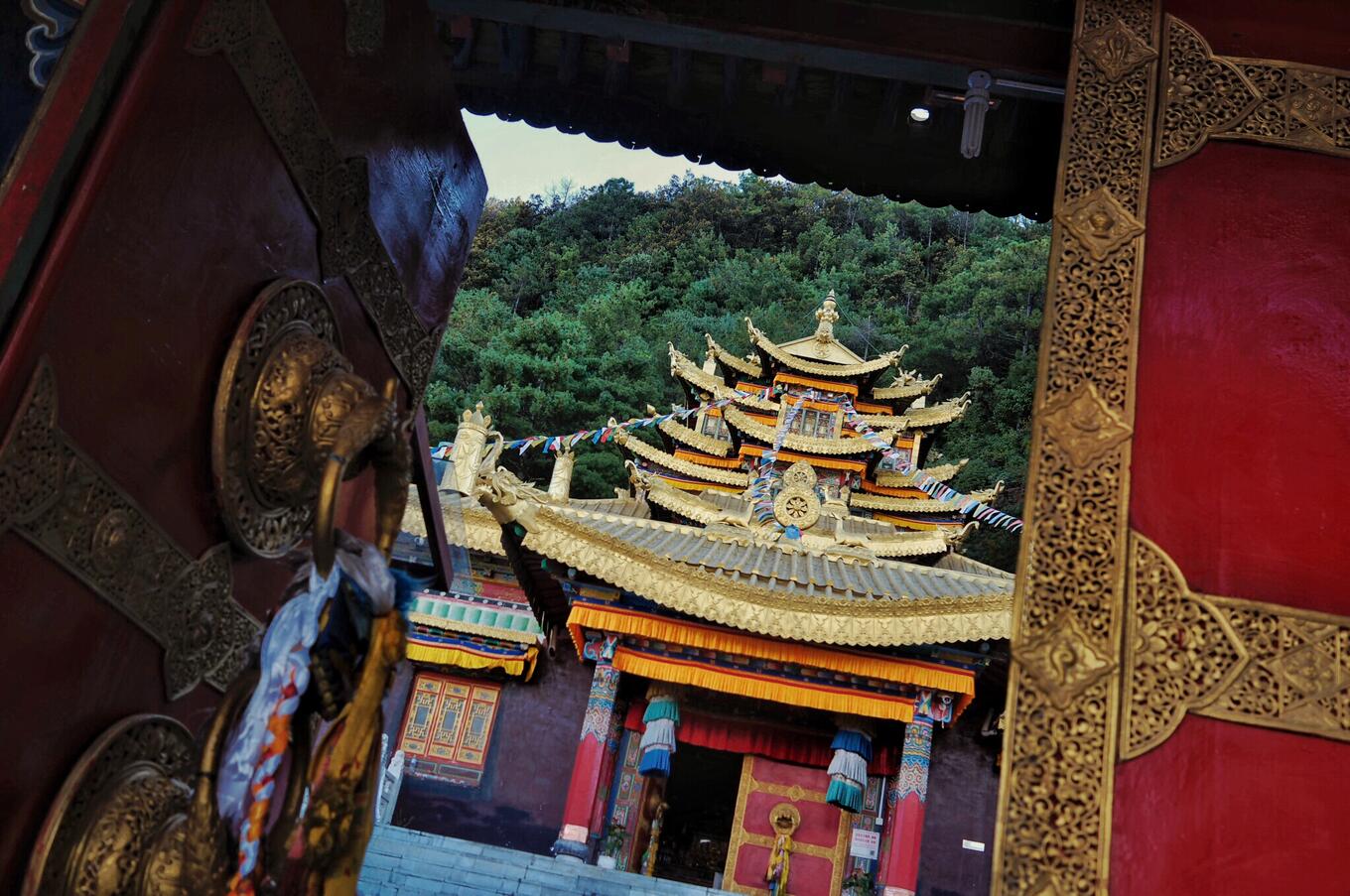
The Songzanlin Monastery, founded in the 17th century, is the largest in Yunnan. Its murals tell the story of the Tibetan cosmos — mountains, gods, and animals woven together into a single vision.

Around it, rural life moves at a quiet pace — barley fields, open meadows, and yaks grazing in the distance.

Here, tea becomes a gesture of hospitality. Po cha — black tea churned with yak butter and salt — sustains monks and herders alike. It provides energy to withstand the cold, but above all, it is a symbol of belonging. A local proverb sums it up: “Without tea, there is no conversation; without butter, there is no strength.”
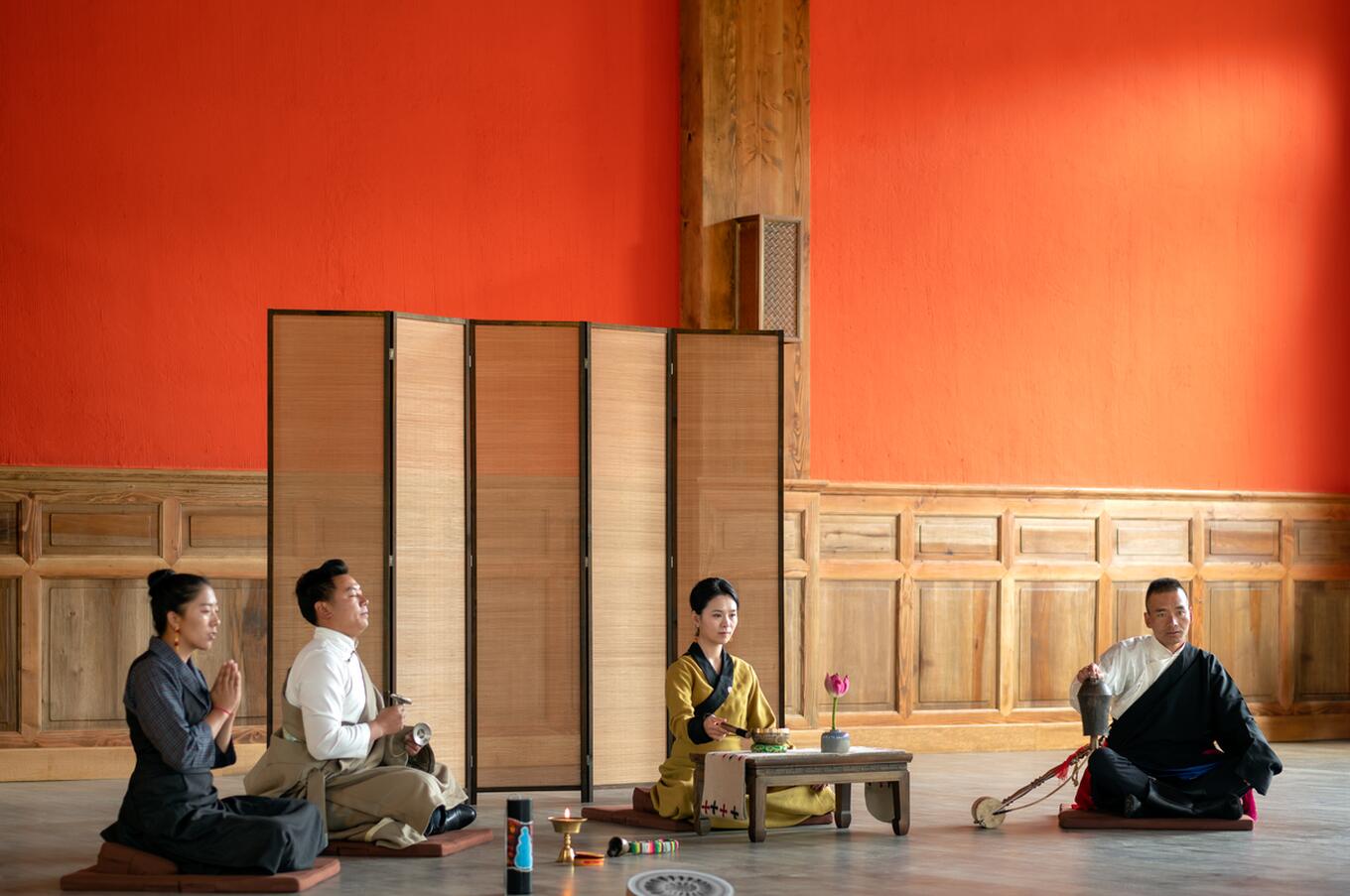
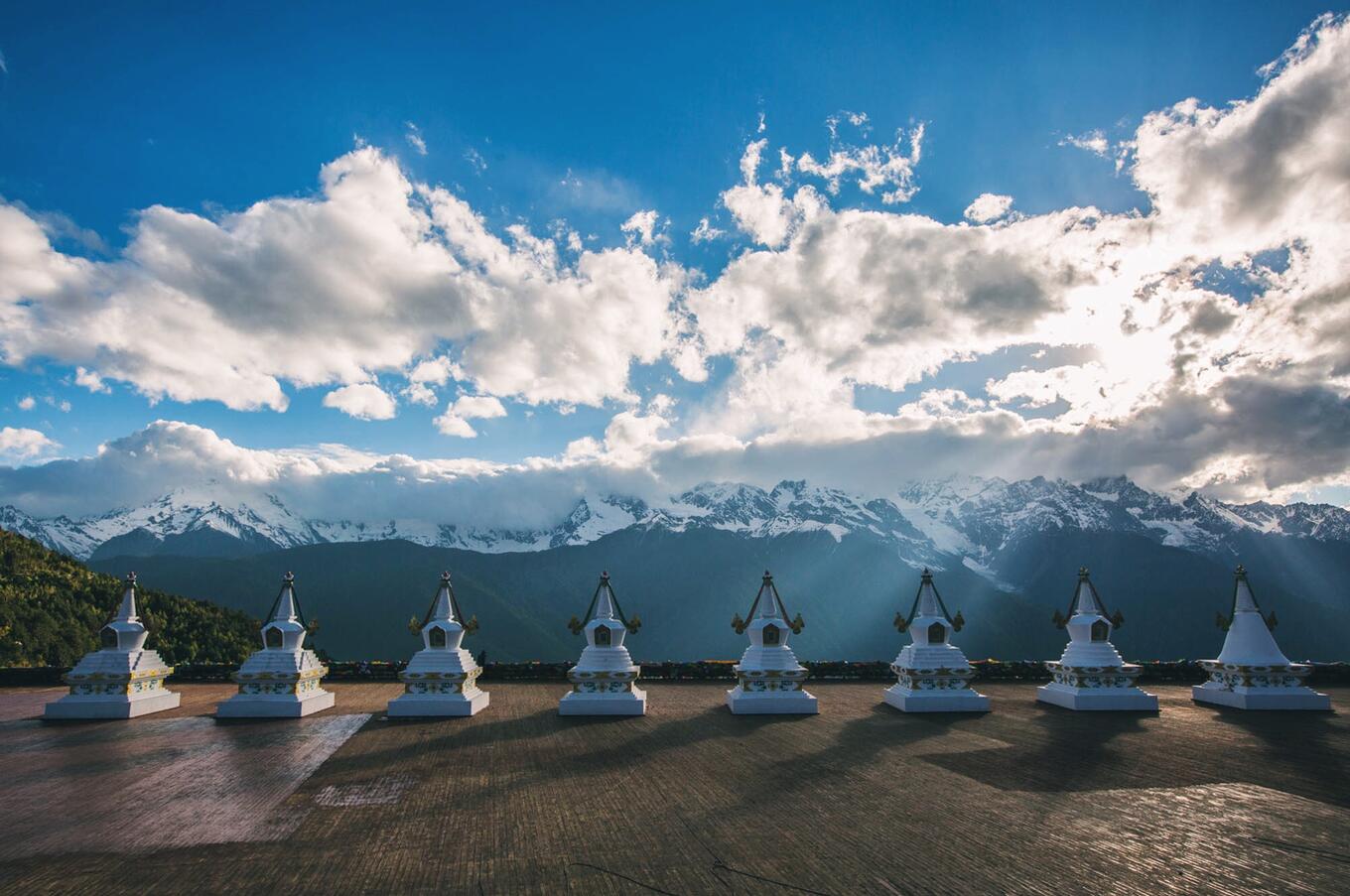
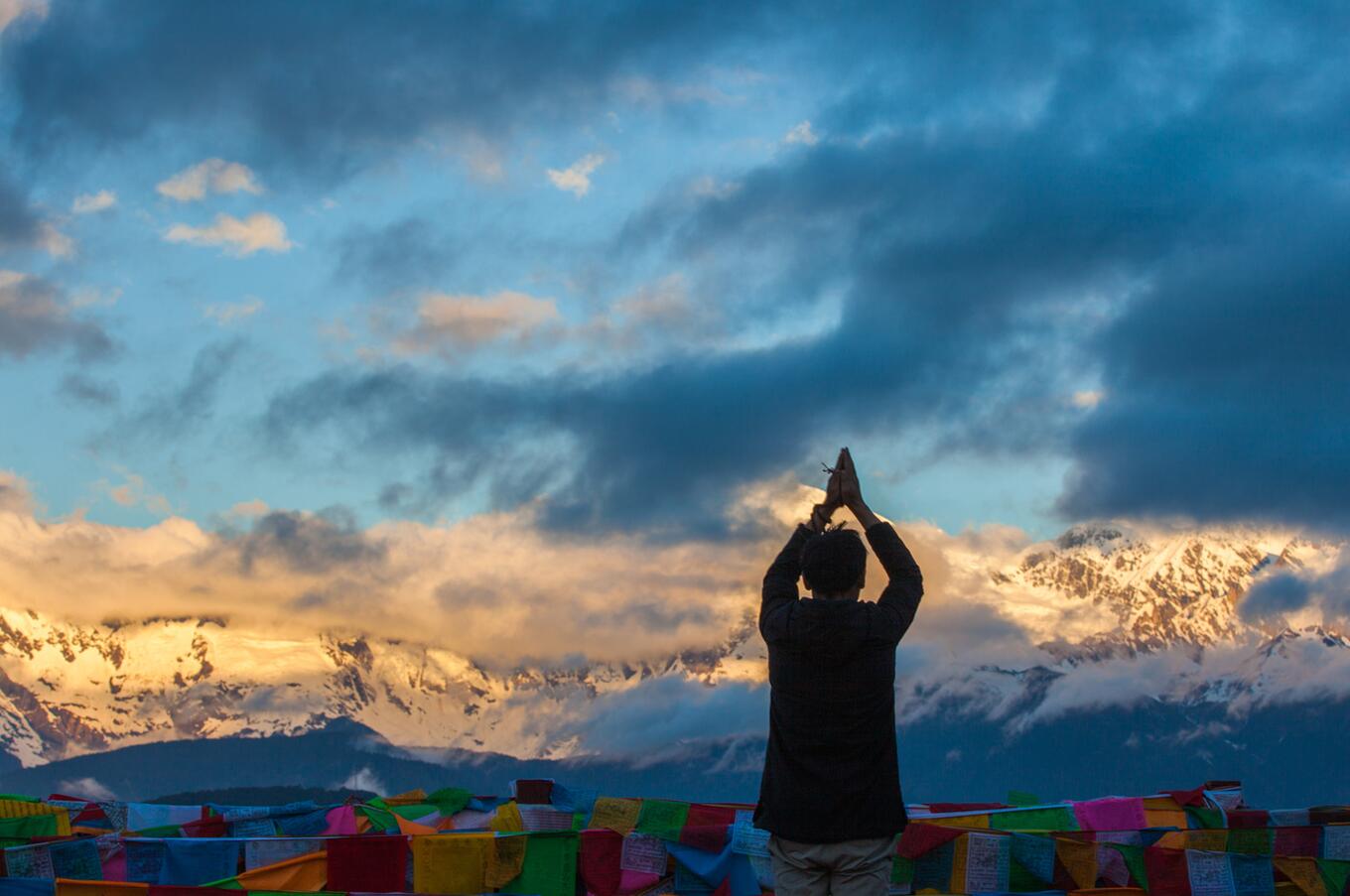
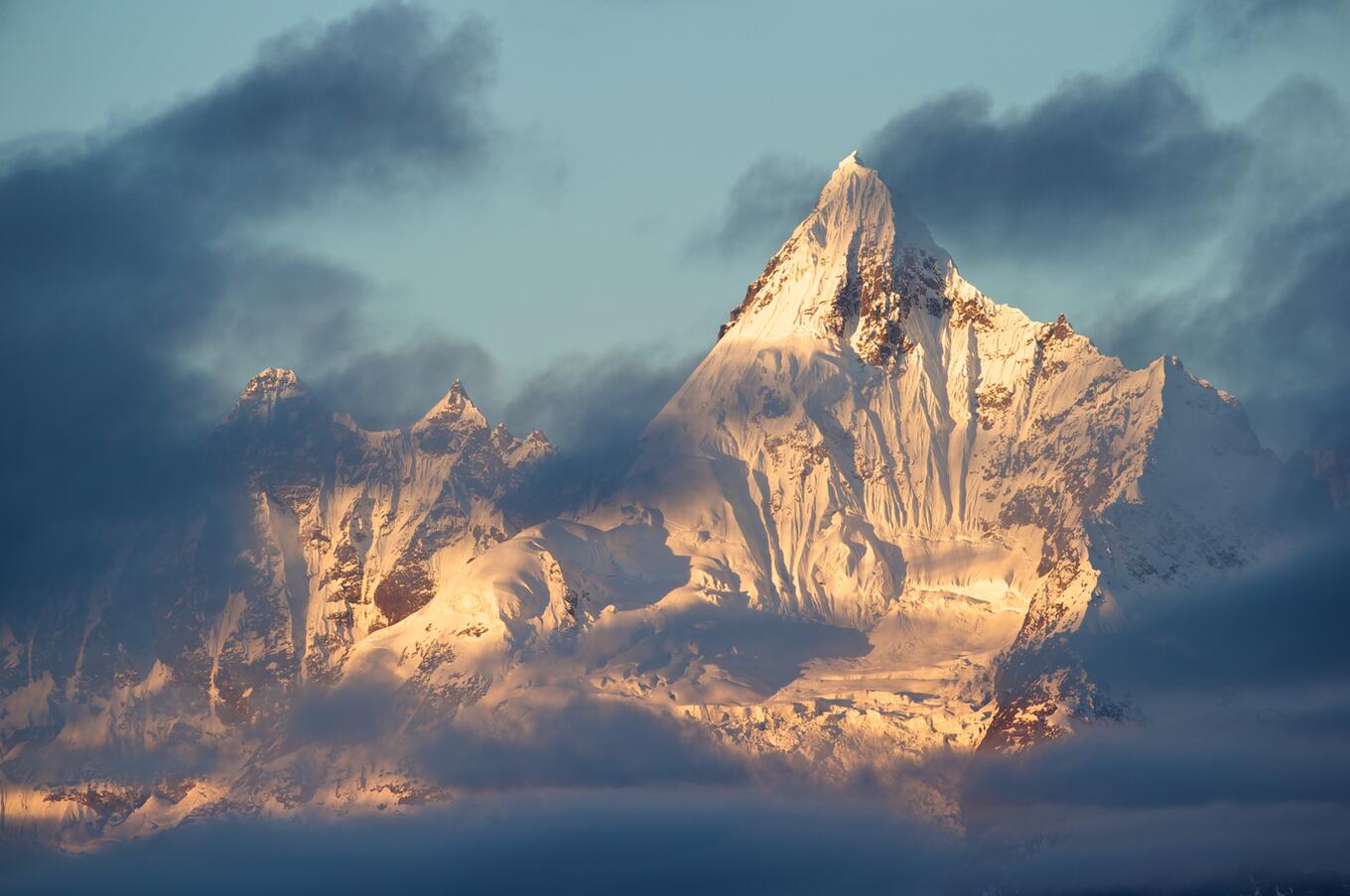
Further north, the Meili Mountains rise to Kawakarpo, their highest peak at 6,740 meters. No expedition has ever reached its summit — after the 1991 tragedy, when an avalanche killed 17 climbers, the mountain was declared off-limits. For Tibetans, it is a living deity, and its snow-capped silhouette at dawn is a blessing in itself.

Every year, thousands of pilgrims walk the kora — a circuit of more than 240 kilometers around Kawakarpo. For weeks, they cross glaciers and high passes, sharing tea at every rest stop and laying leaves at makeshift shrines. For them, the mountain is not a summit to conquer, but a living presence they share the world with in silence.

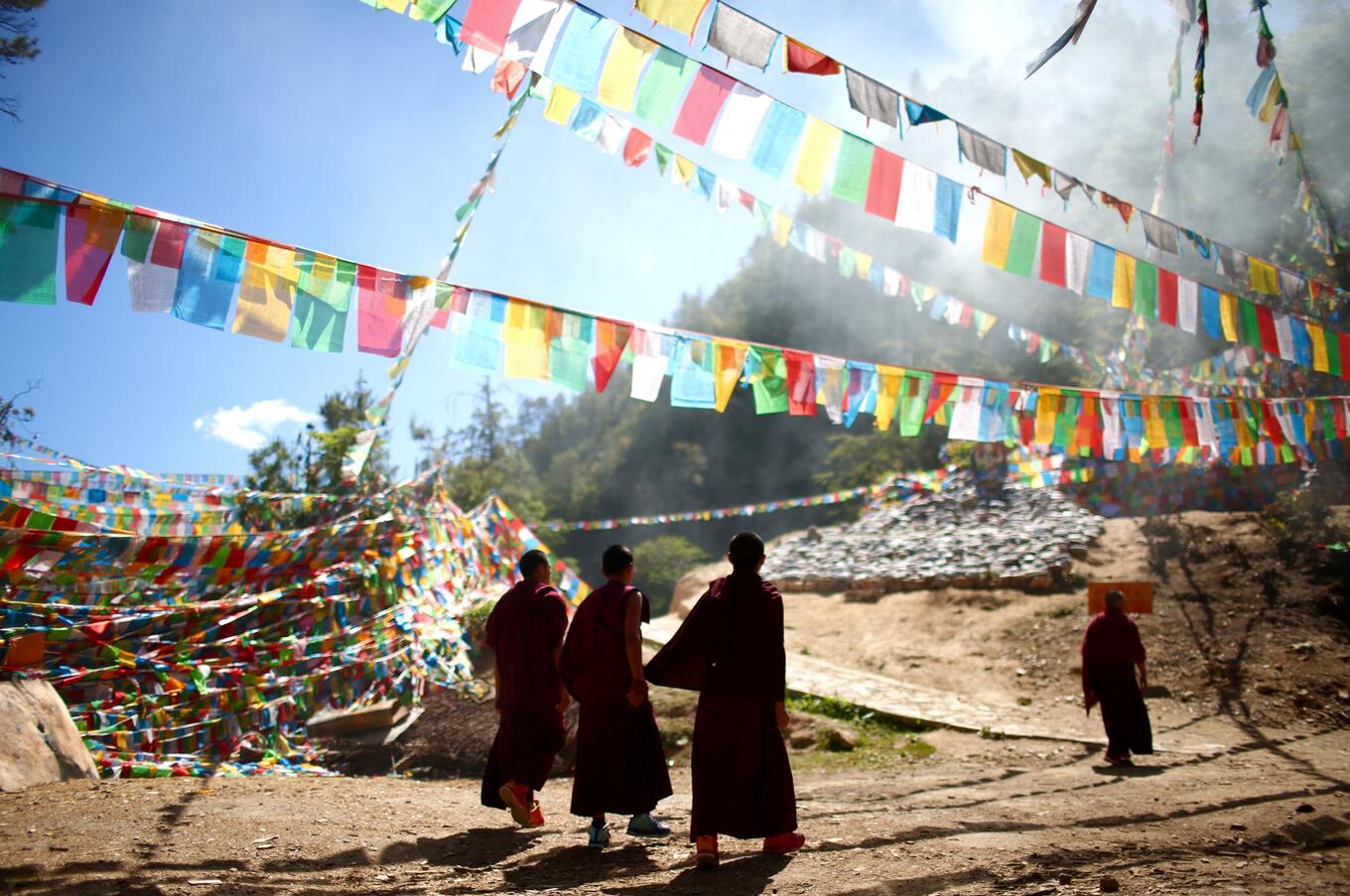
At temples like Feilaisi, facing the peaks, pilgrims rise before dawn to see the “golden miracle” — the moment the sun turns the snow-capped summits to gold. Then they spin the prayer wheels and offer cups of tea — body and spirit joined in a single act.

China-Tea-Route-Yunnan-Tibet
Lhasa: The City That Drinks in the Sky

The journey culminates in Lhasa, at an altitude of 3,650 meters, where spirituality permeates every corner. The Potala Palace — home to the Dalai Lamas for centuries — commands Red Hill as a beacon of Tibetan Buddhism and the resilience of its people.

The Jokhang Monastery, founded in the 7th century, is the spiritual heart of Tibet. The pilgrims’ backpacks are full of pressed tea bricks — practical relics of a route that turned this drink into something sacred.

In the teahouses of Barkhor Street, daily life and spirituality come together in every cup of po cha. Its strong, salty flavor catches visitors off guard, but in Tibet it is the essence of hospitality — to turn it down is to turn away a connection.

Lhasa is the living sum of a journey that transcended commerce. What began in Yunnan as a wild shoot and imperial currency, and became an offering in Meili, transforms into a daily ritual in Tibet. Po cha, which sustains the body at altitude, is at once a prayer, an act of hospitality, and a living memory. In every sip of this salty tea, the essence of the Tea and Horse Road endures — a route that for centuries held Han and Tibetan civilizations together.

Related stories

12 MONTHS / 12 STORIES

12

One story, each month, for a year

Choose your topics/ areas of interests

5'

Five minutes of inspiration

The day of your choice

Do you like what you are reading?