

Raja Ampat, Indonesia: where the waters began
Deep in West Papua's crystal-clear waters, Raja Ampat shelters the richest marine ecosystem on Earth, a remote, sacred archipelago where true luxury is measured in silence and biodiversity.
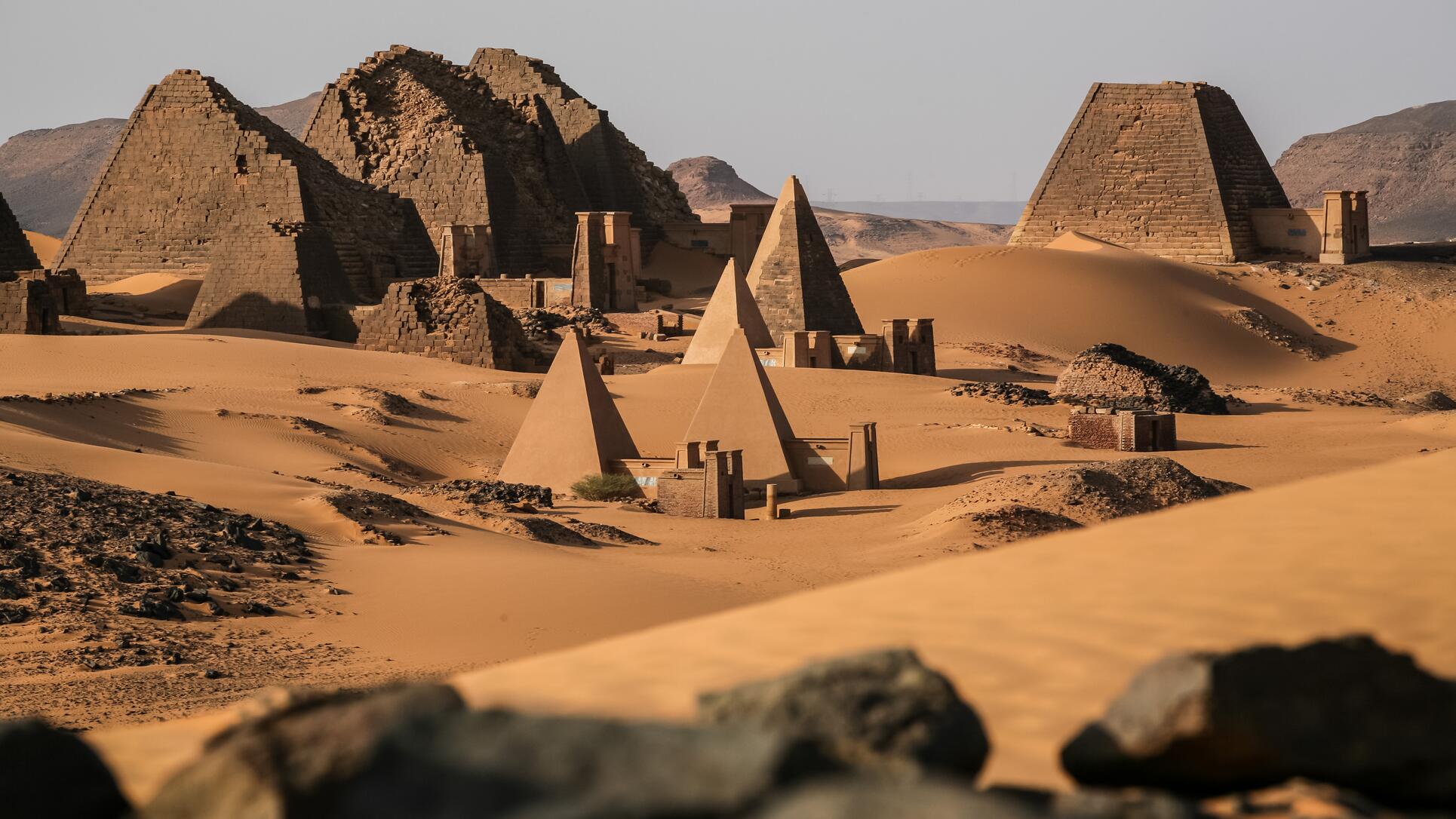
The landscape along Sudan's Middle Nile has a quality rarely found elsewhere in the Nile Valley: vastness, silence, and an unbroken horizon. Temples and pyramids rise straight out of the desert with little modern interference, preserving their original scale against the river. There is neither Egypt's saturation of monuments nor the chaos of its bustling riverside cities—just an archaeological presence made all the more striking by its stark simplicity.
The Kingdom of Kush arose in the first millennium BCE, ruled first from Napata and later from Meroe. Its strategic position let it control the trade routes linking sub-Saharan Africa with the Mediterranean and the Near East, as gold, ivory, ebony, and other exotic goods moved along this river corridor for centuries. In the eighth century BCE, Kushite rulers pushed north and founded Egypt's 25th Dynasty, governing from the Delta to Thebes and folding pharaonic traditions into a political order with Nubian roots. Egyptian and Assyrian records single out this moment as a turning point in the valley's history.
In Napata stands Jebel Barkal, a sandstone promontory towering over the plain, its vertical profile visible for kilometers and once identified as the dwelling place of the god Amun. The temples built at its base, along with commemorative stelae recording military campaigns, royal genealogies, and coronation rites, reveal a site where the landscape itself served as both theological argument and ceremonial stage. The mountain was never just a geological feature—it was an active piece of the kingdom's political theater.
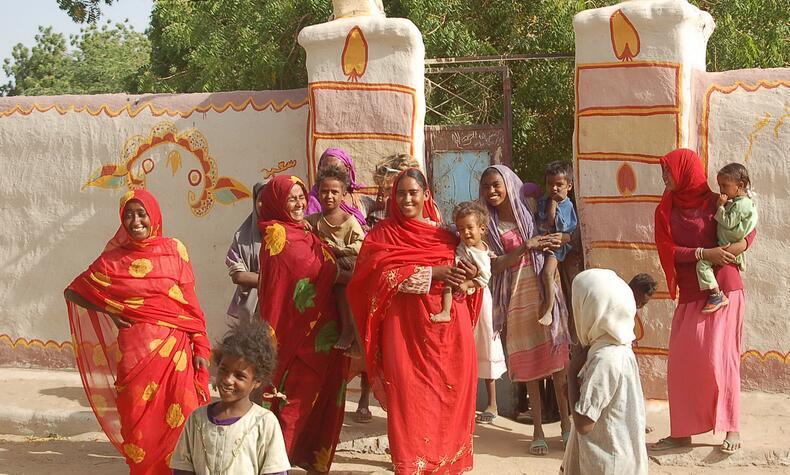
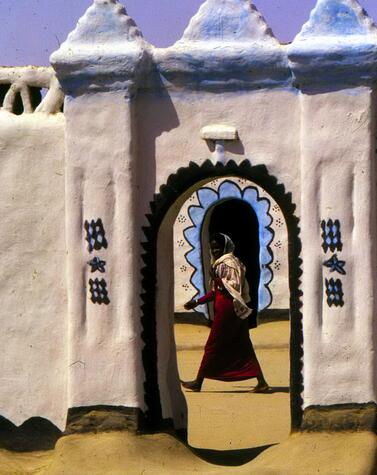
The country with the most pyramids in the world
Mention pyramids, and most people picture Egypt. But the country with the most pyramids on Earth is actually Sudan. With more than 220 identified pyramids—compared to roughly 120 cataloged in Egypt—Sudan has nearly double the count of the nation that has defined the very idea of a pyramid for millennia.
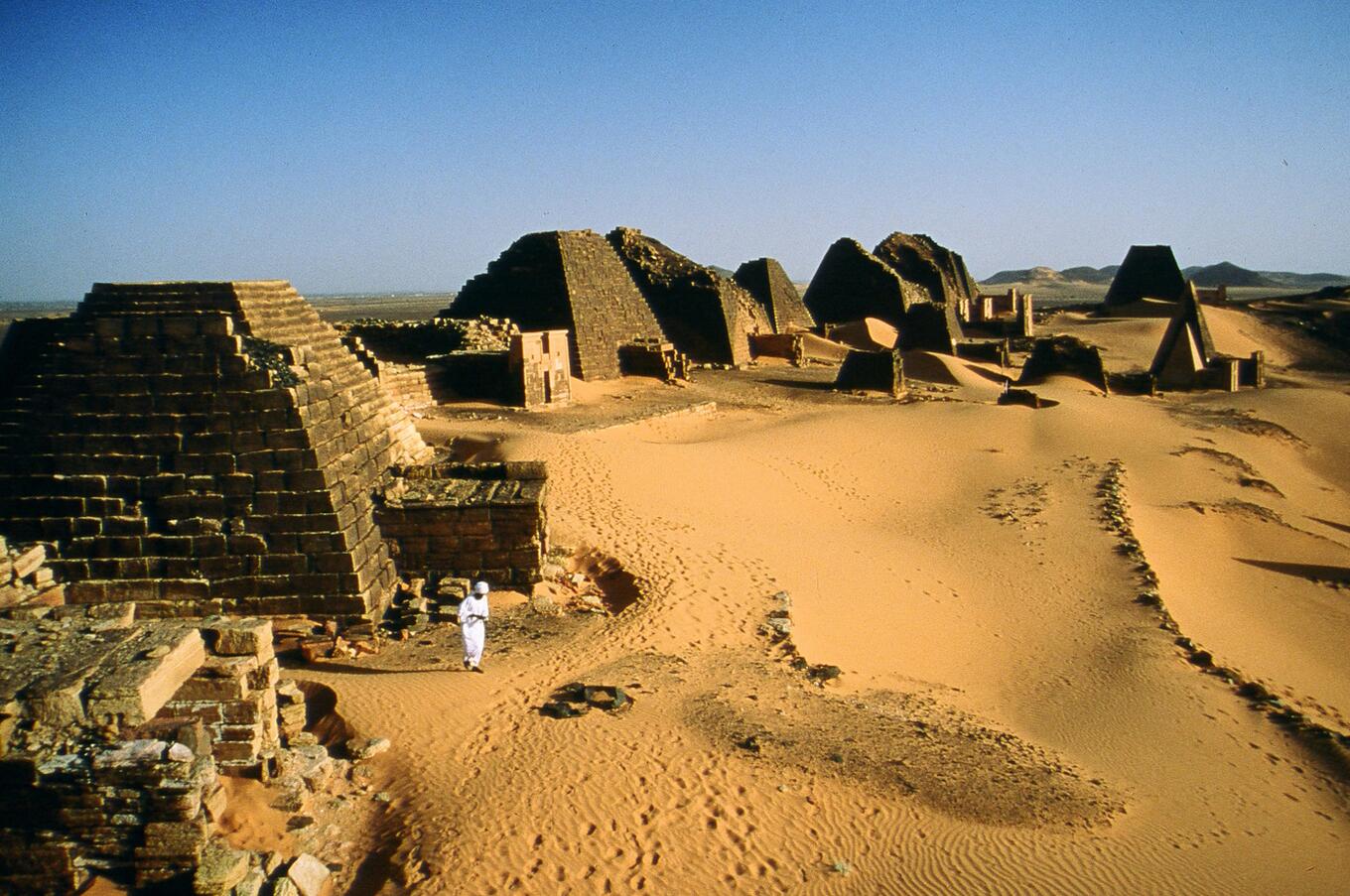
Nubian pyramids are a different breed altogether: narrower, steeper-sided, and rarely taller than 30 meters. Their slender, repeating silhouettes create a presence entirely different from that of their Egyptian counterparts—yet no less commanding, especially when they rise in rows from the desert at sunset.
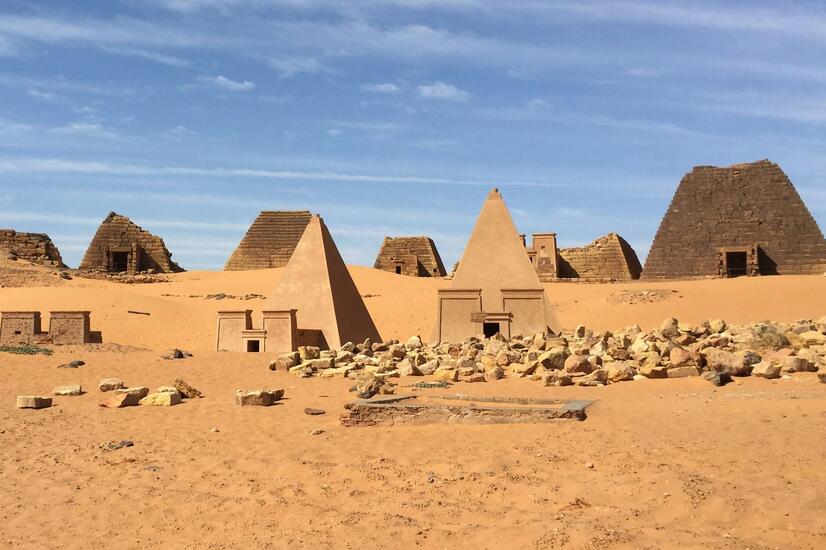
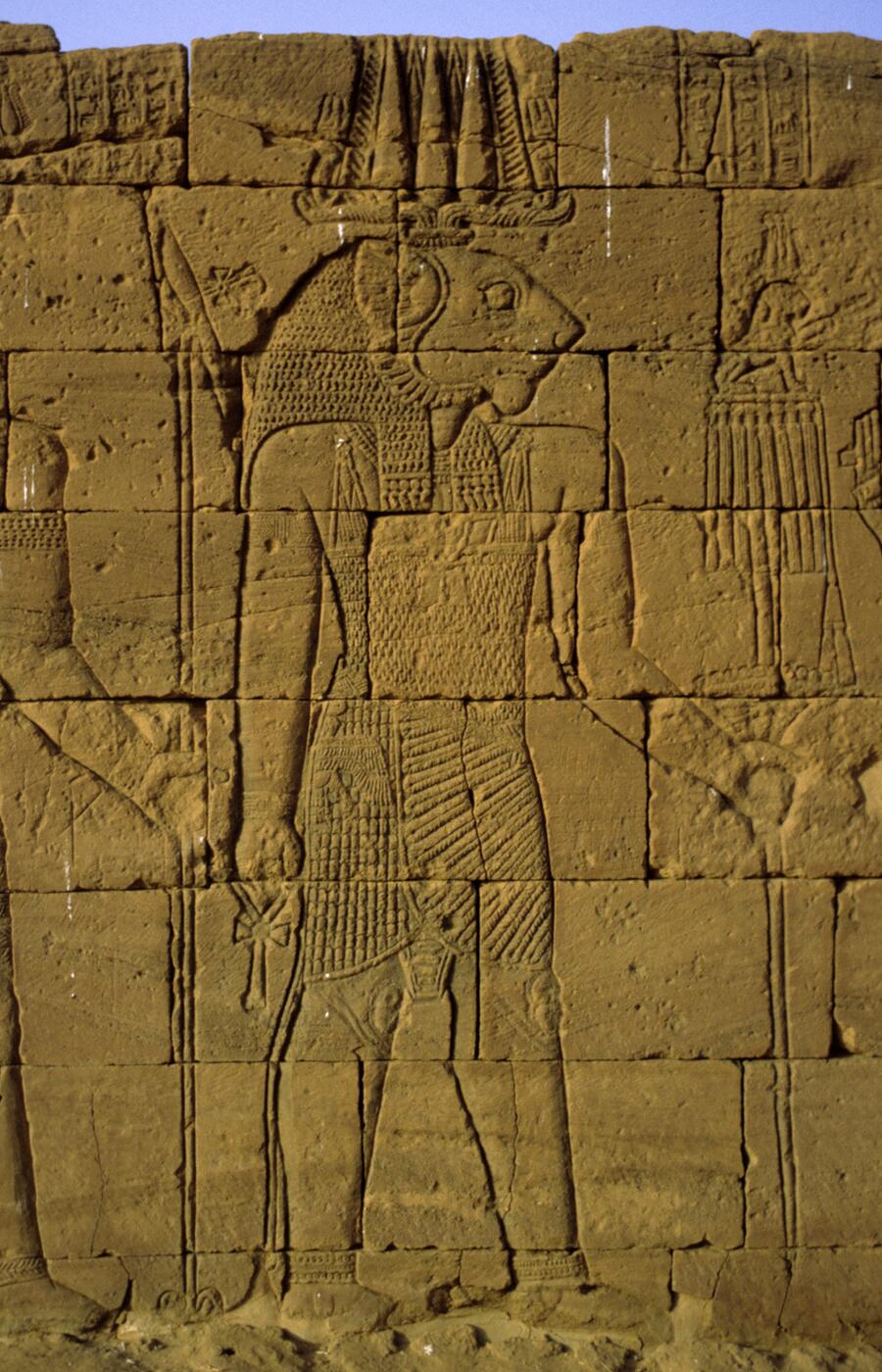
Several Kushite kings are buried at the Nuri necropolis, among them Taharqo, one of the dynasty's most powerful rulers. These pyramids, like others in Nubia, are steep-sided and slender, quite unlike their Egyptian counterparts, and each conceals an elaborate burial chamber carved into the bedrock and decorated with scenes of the afterlife that draw on Egyptian tradition while reinterpreting it in a distinctly Nubian style. Meroe, the kingdom's later capital, doubled as a major industrial hub, renowned above all for its ironworking. Its more than two hundred pyramids scattered across several necropolises, the remnants of its furnaces and slag heaps, and its own writing system—Meroitic script, still not fully deciphered—all point to a civilization with a cultural identity entirely its own.
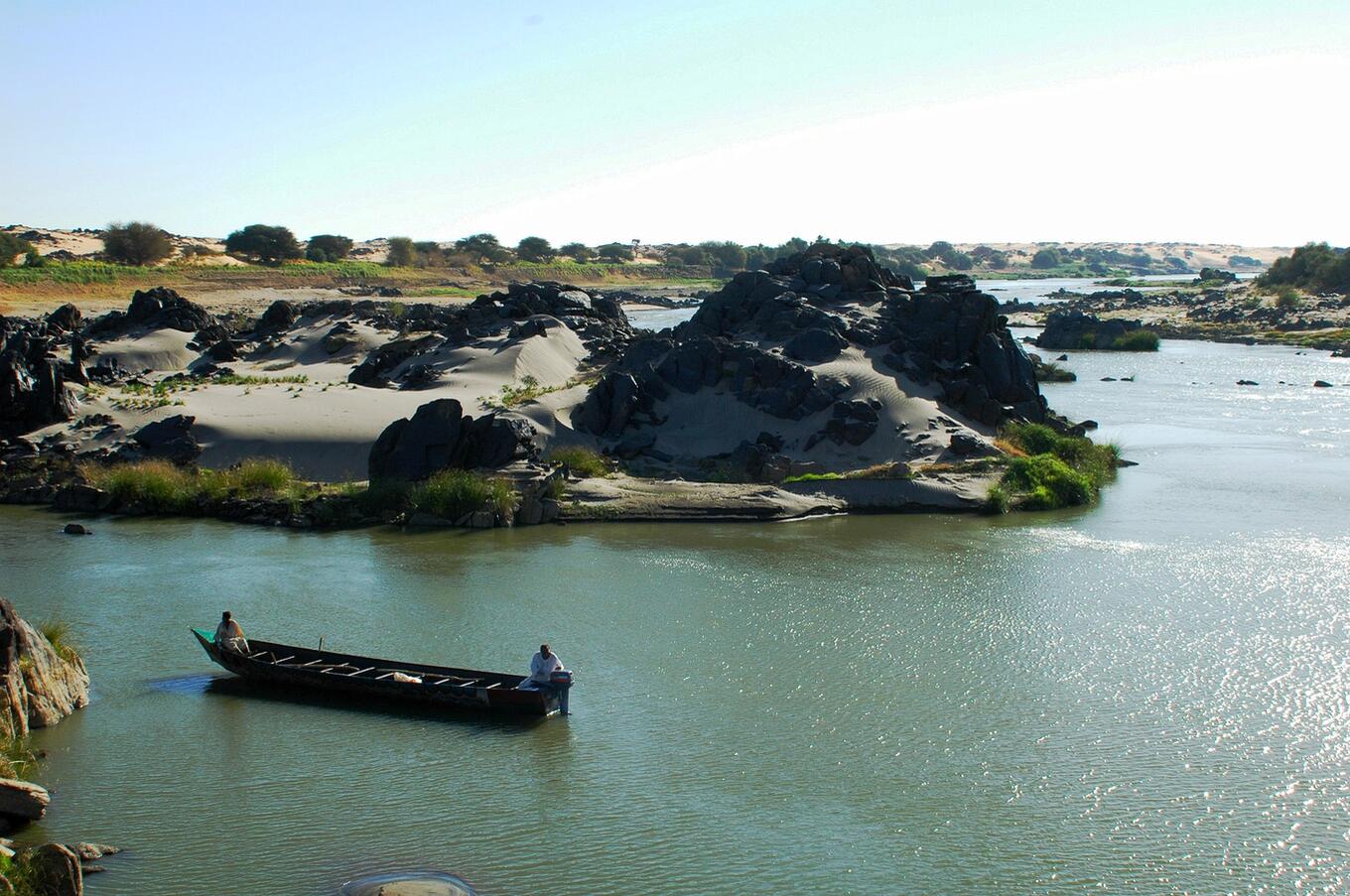
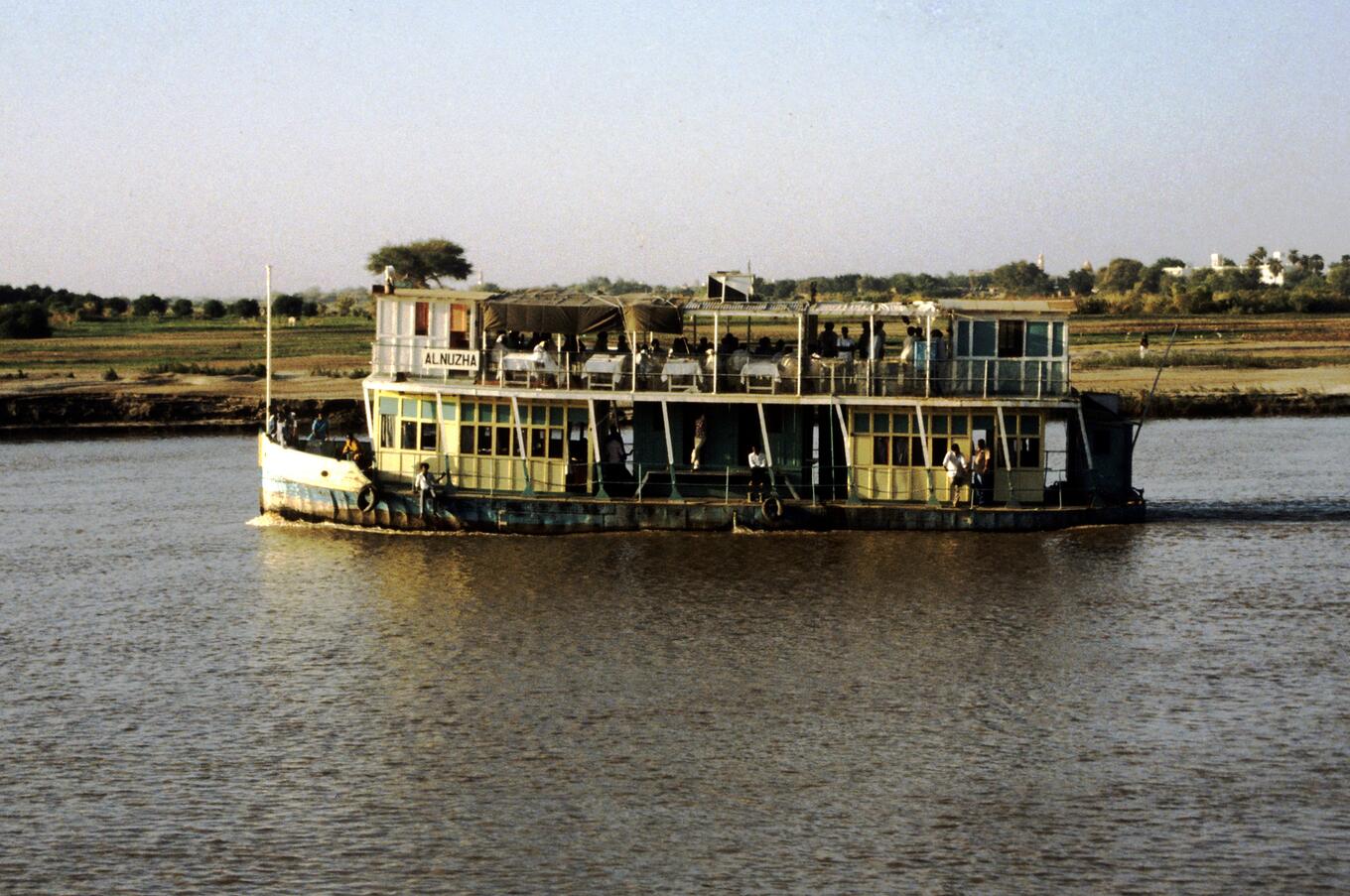
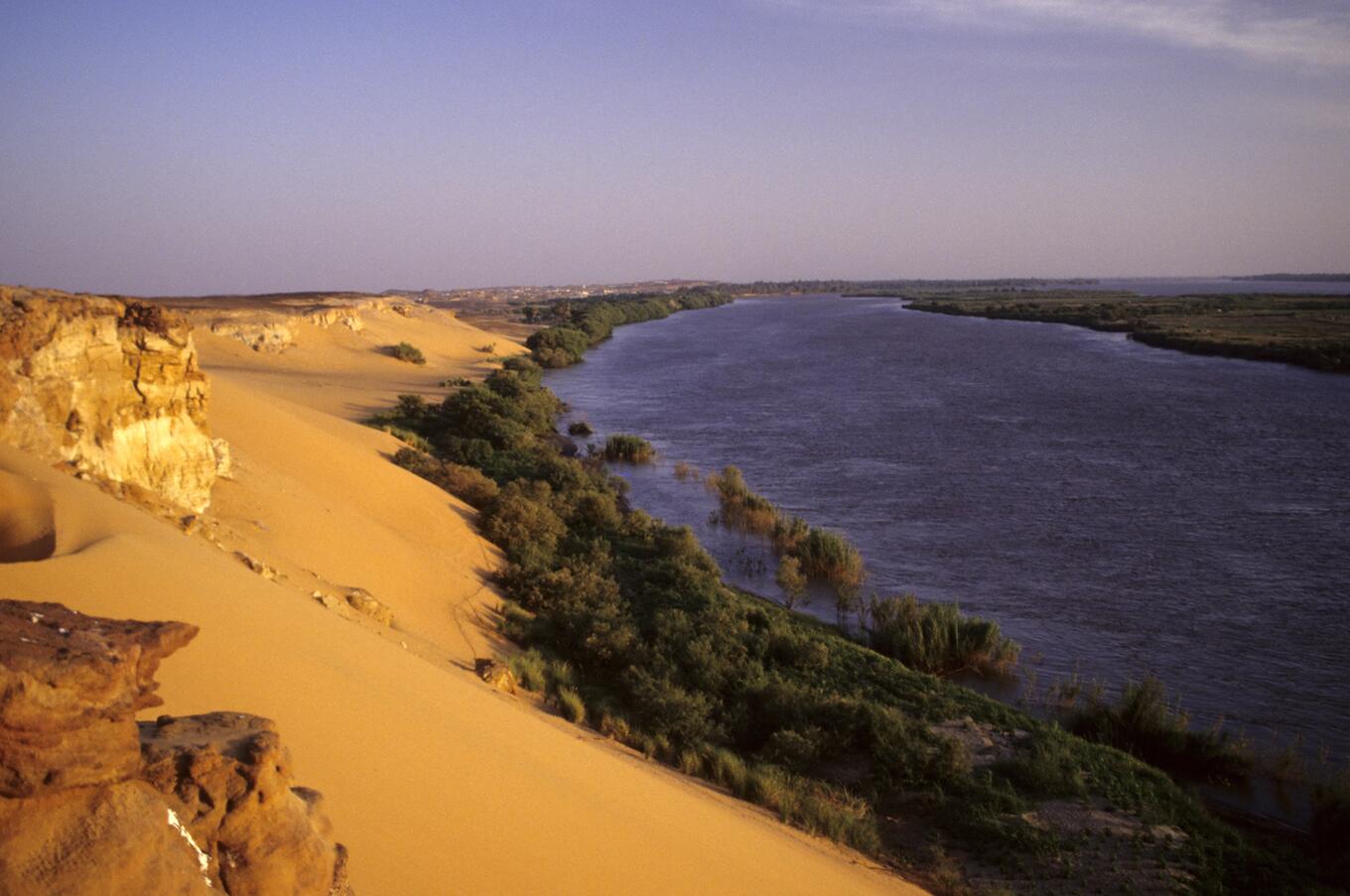
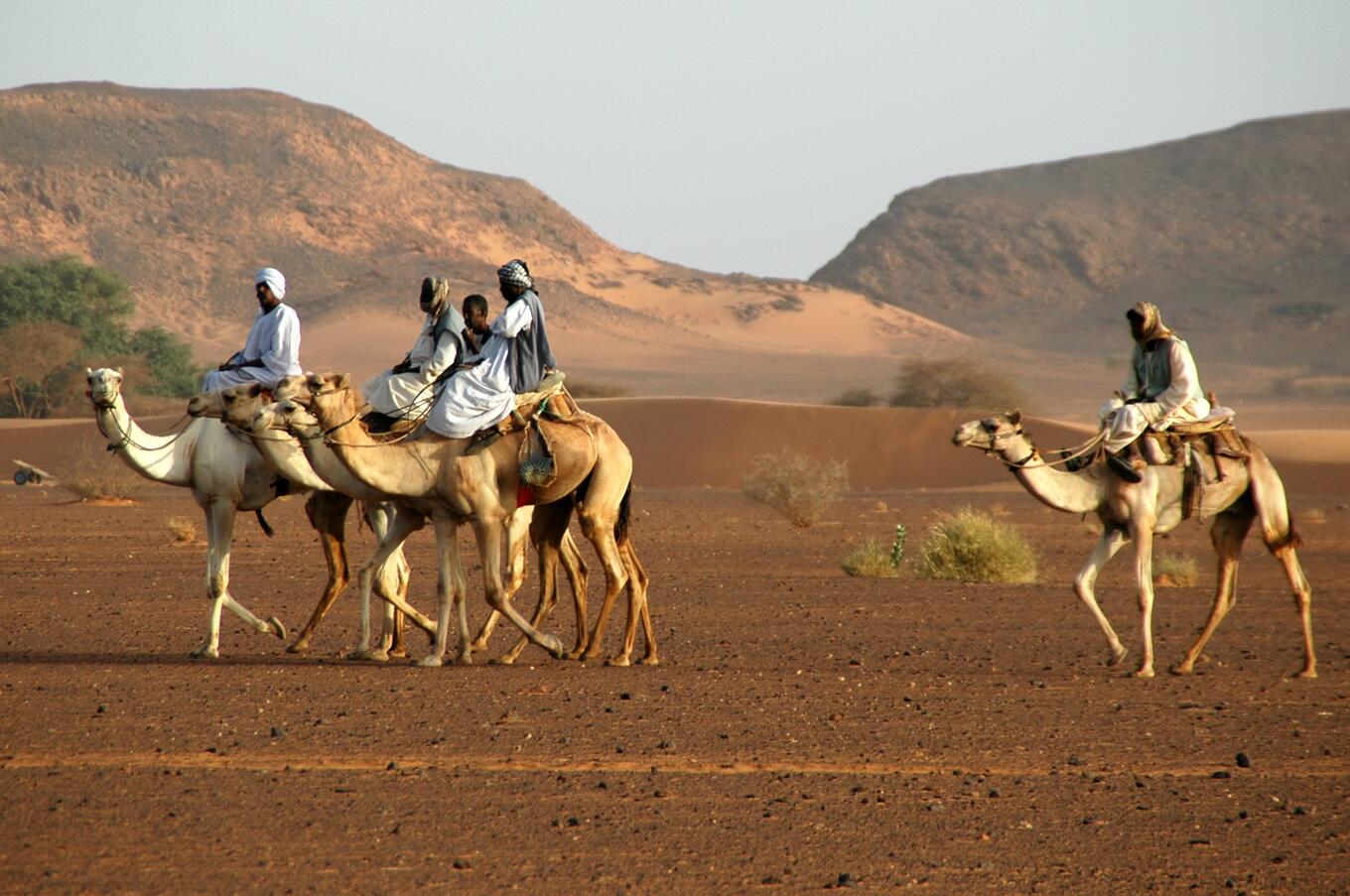
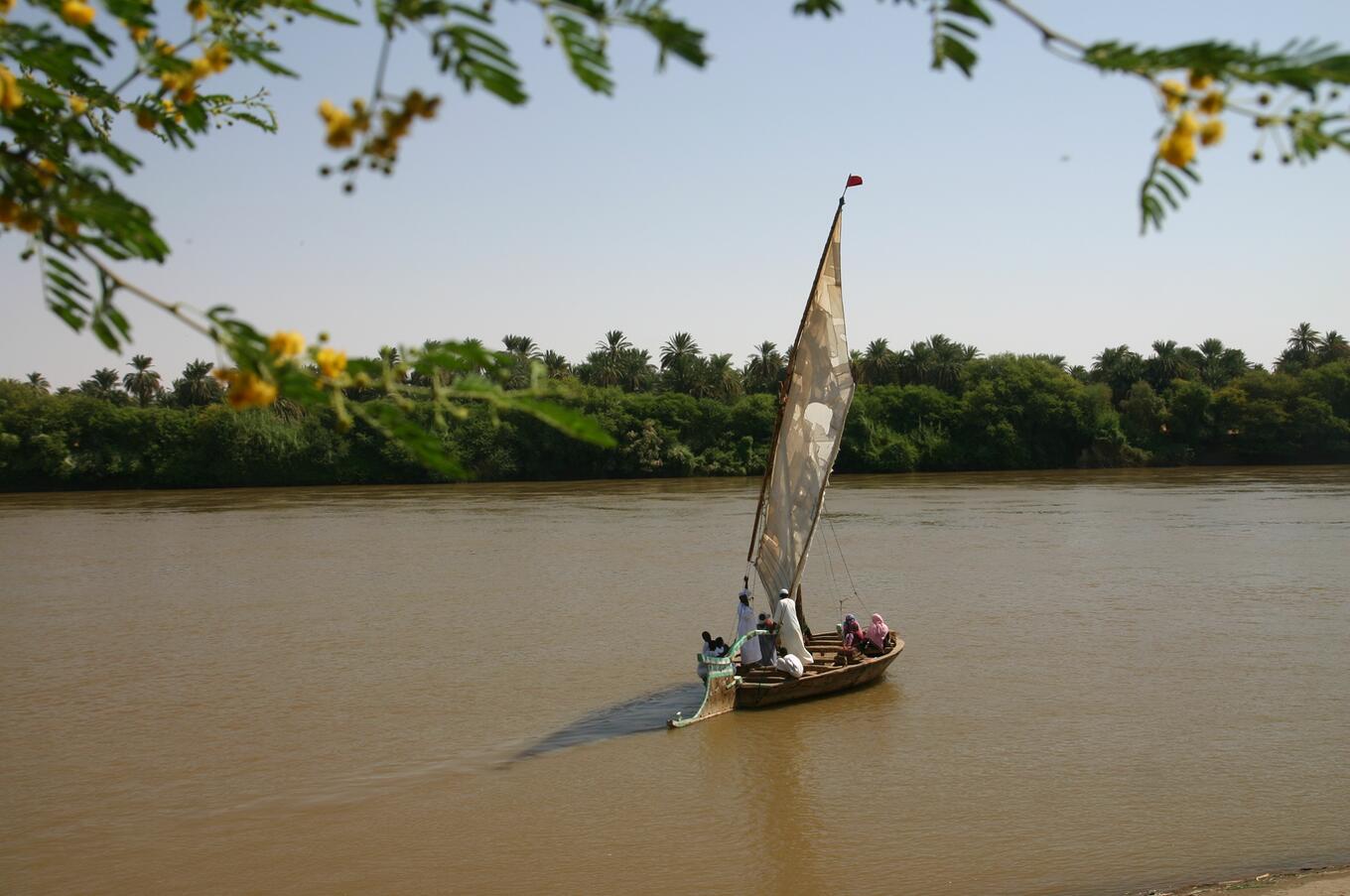
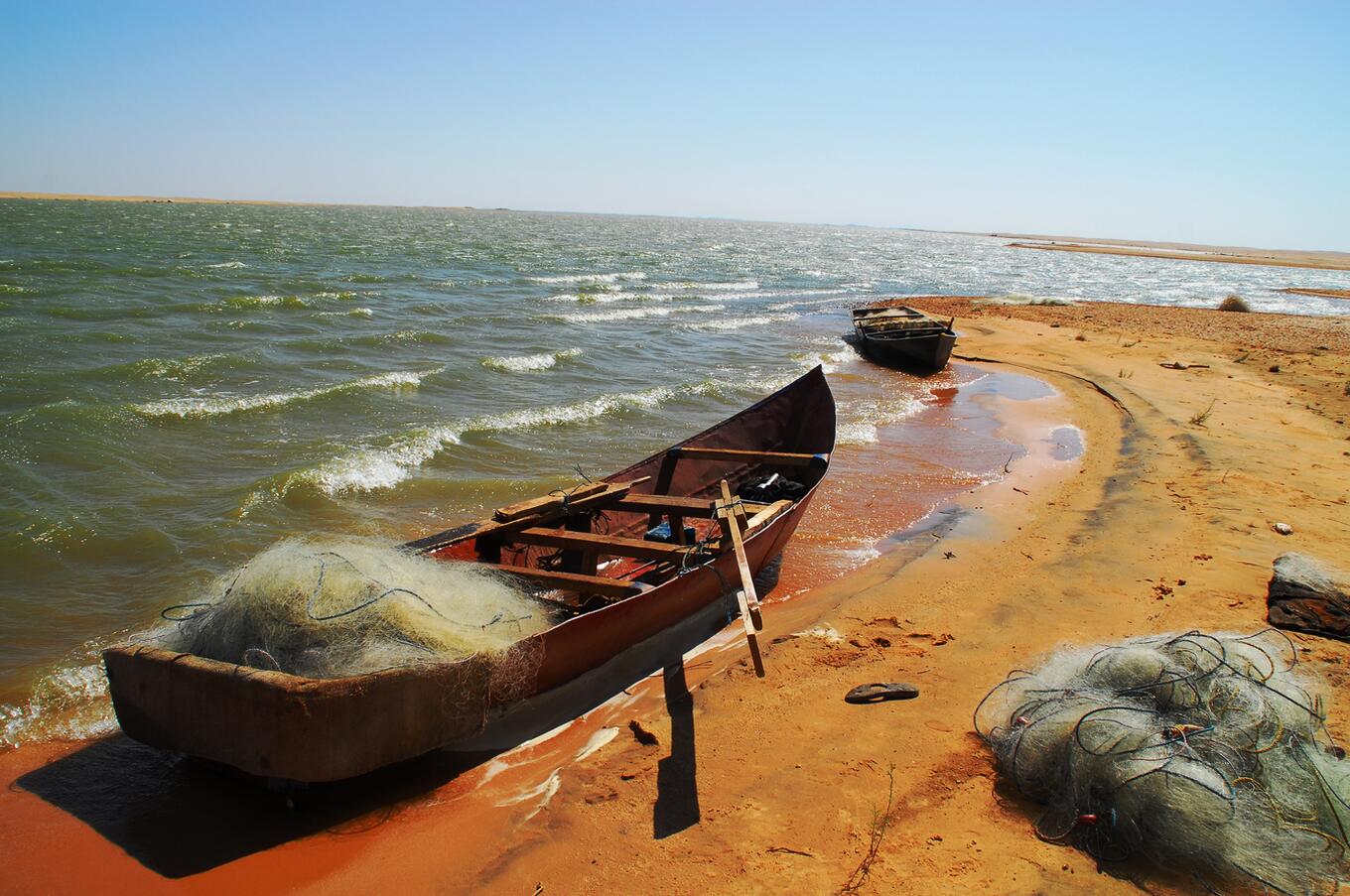
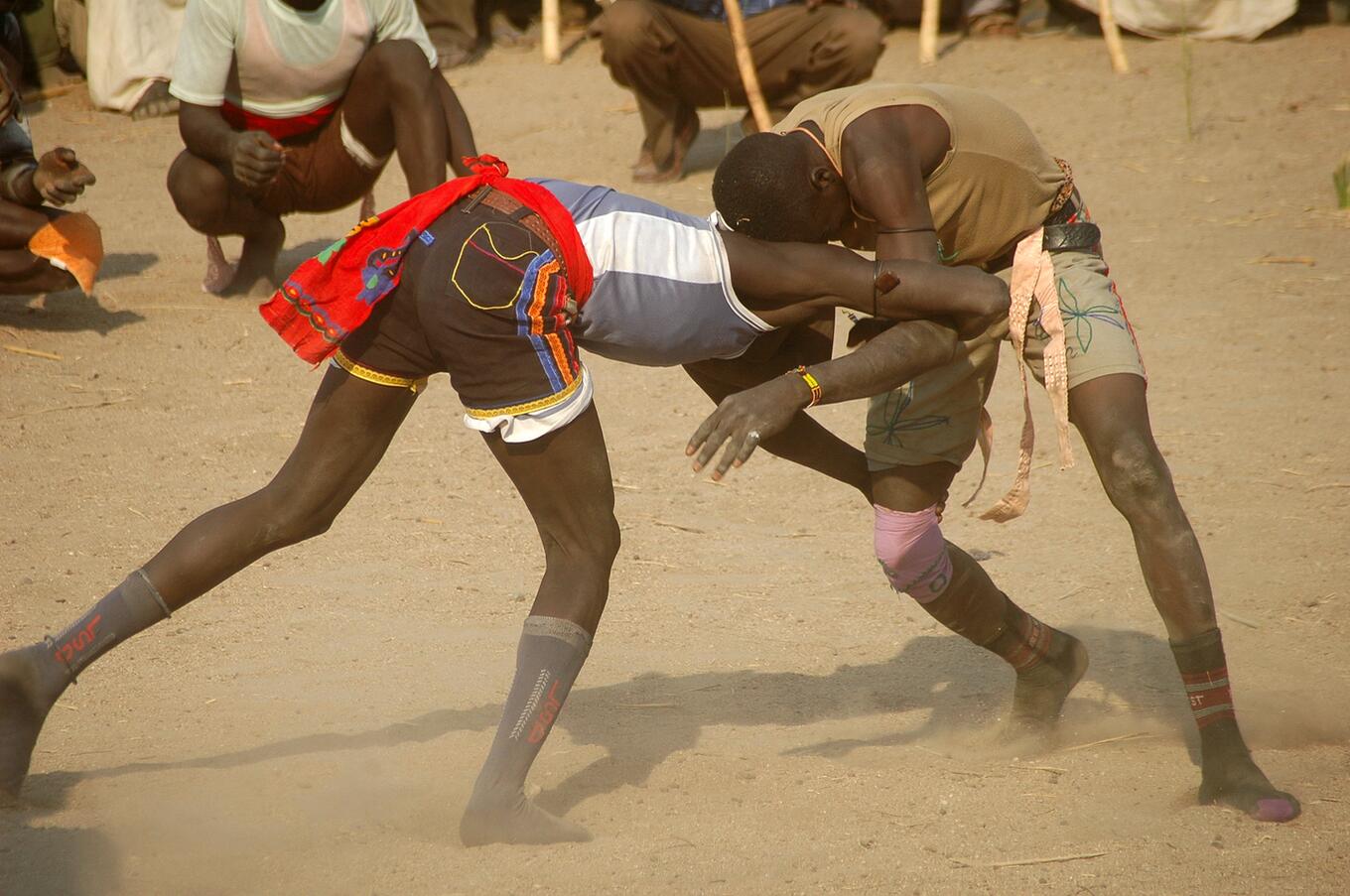
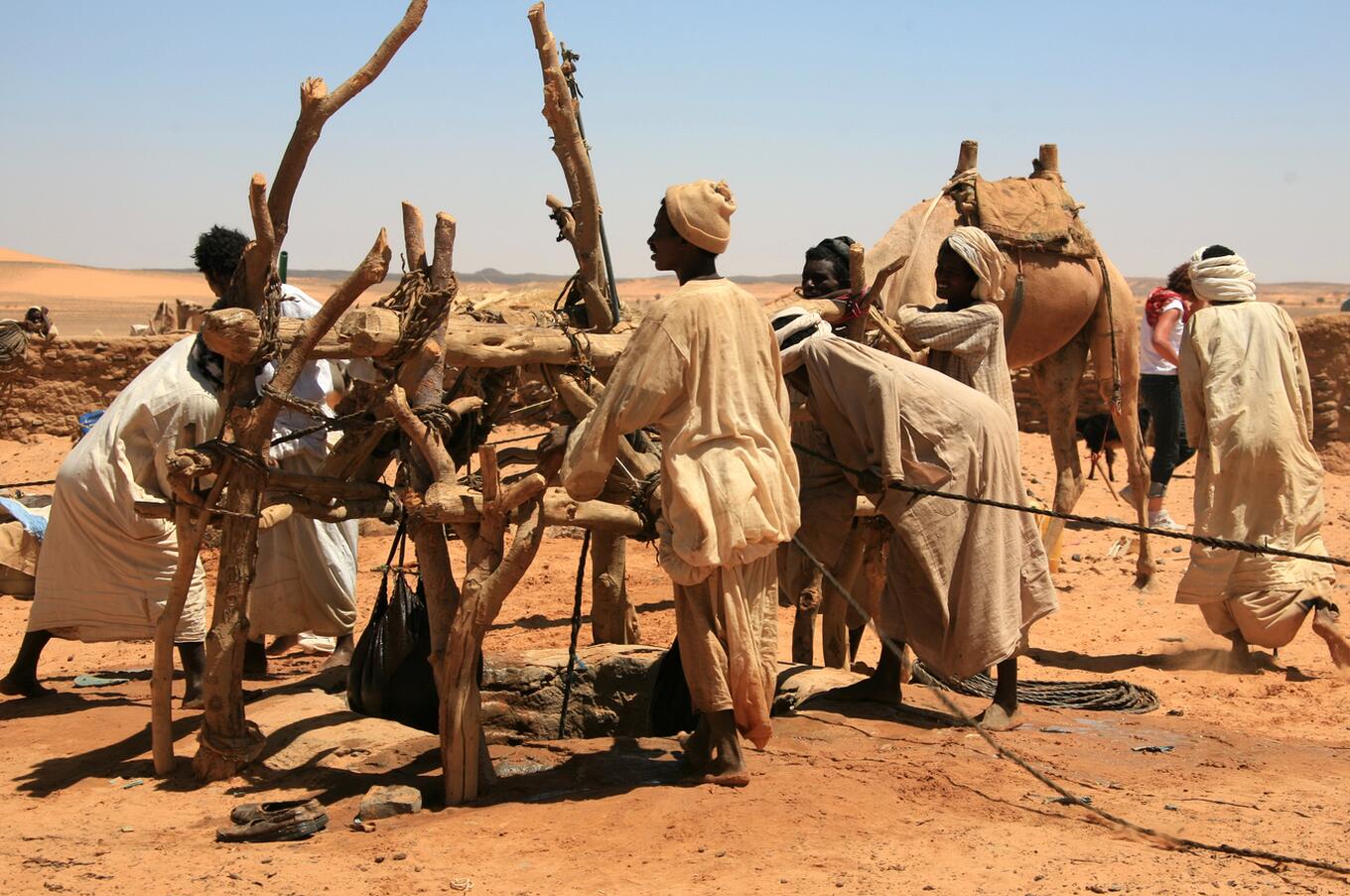
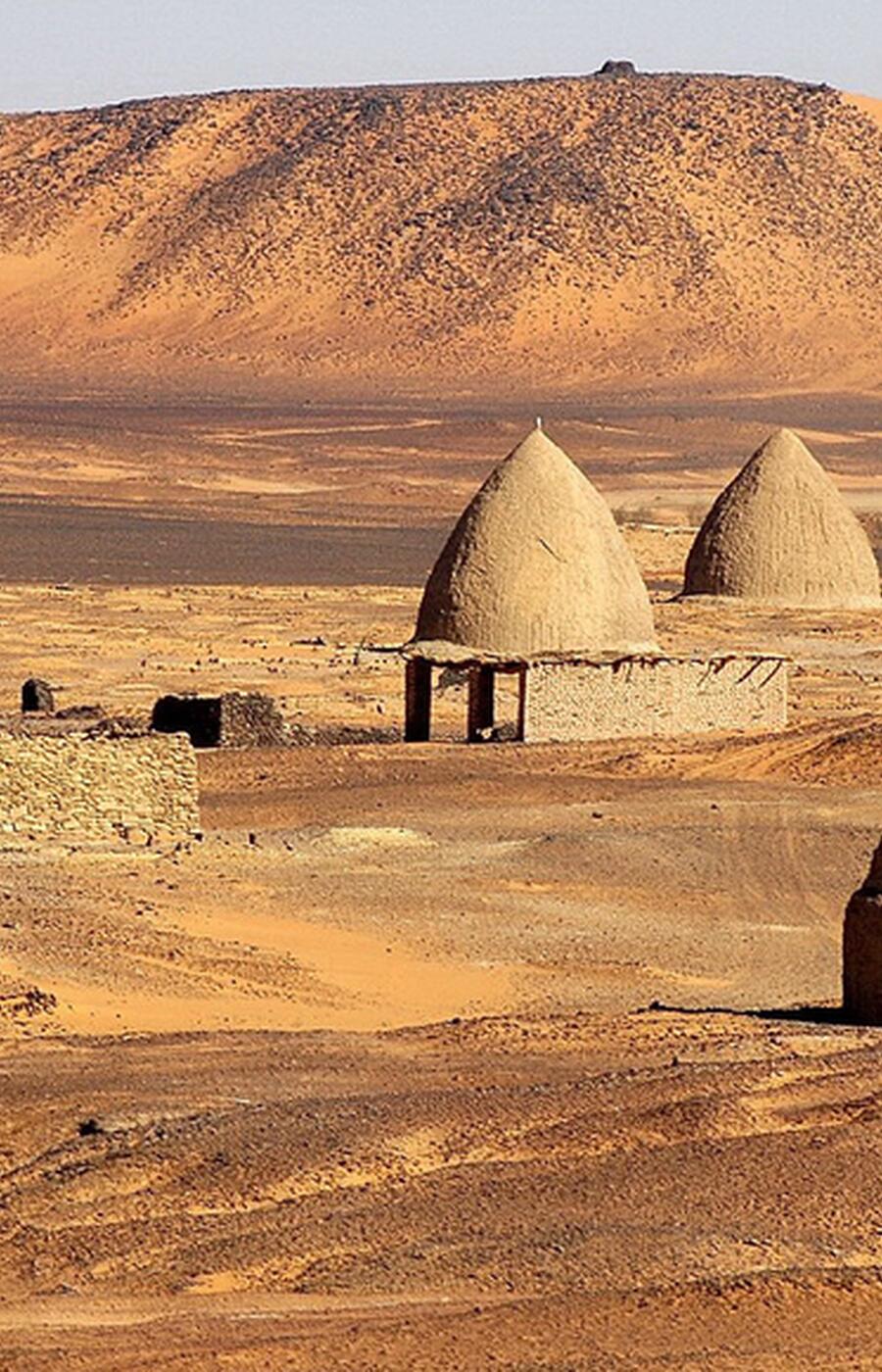
The relative lack of modern development nearby has preserved the original layout of many of these sites, which remain tied to the same stretch of river that shaped their history centuries ago. Desert sand both protects these structures and keeps their essential forms visible above the surface. Even today, Sudan's Middle Nile remains one of the great archaeological reserves on the African continent.
One story, each month, for a year

Choose your topics/ areas of interests
Five minutes of inspiration

The day of your choice